Oxytrol Patch (Oxybutynin) Shopper Approved

Prescription Prescription Required FormationFormulation: Patch

Oxytrol Patch

(Brand Option)

Select the prescribed dosage

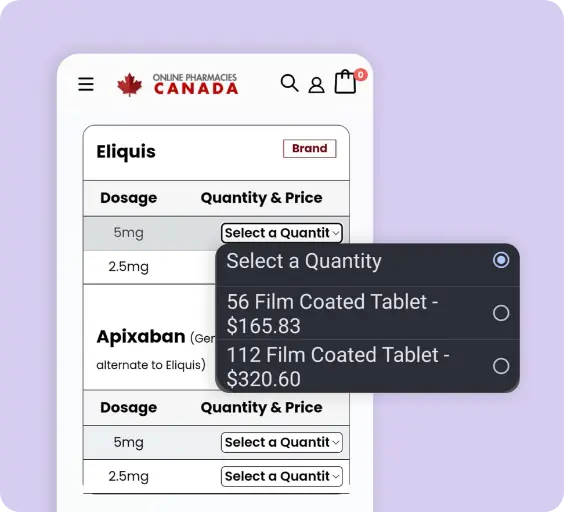
Select the quantity to see the price.

  *  
Prescription Prescription Required FormationFormulation: Patch

Oxybutynin

We don't sell this generic-version medication.

Select the quantity to see the price.

  *  
delivery

* This price includes a dispensing fee, medical review fee, and packing fee.

delivery

Shipped and delivered directly to your doorstep

Oxytrol Patch (active ingredient: oxybutynin) is a prescription medication used to treat overactive bladder.

It is applied to the skin as a transdermal patch, which slowly releases oxybutynin into the body.

Overactive Bladder

Oxytrol Patch is used to help control symptoms of overactive bladder, including:

  • Urinary urgency, or a sudden strong need to urinate
  • Urinary frequency, or needing to urinate more often than usual
  • Urge incontinence, or leaking urine because you cannot reach the bathroom in time

These symptoms happen when the bladder muscles contract too often or too strongly.

How Oxytrol Patch Works

Oxytrol belongs to a group of medications called antimuscarinics or antispasmodics.

Oxybutynin blocks the action of a chemical messenger called acetylcholine at certain receptors in the bladder.

This helps relax the bladder muscle and reduce unwanted bladder contractions.

How Oxytrol Helps Improve Bladder Control

By relaxing the bladder, Oxytrol may help:

  • Reduce sudden urges to urinate
  • Decrease how often you need to use the bathroom
  • Reduce episodes of urine leakage
  • Increase the amount of urine the bladder can comfortably hold

Why Oxytrol Is Used as a Patch

The patch delivers oxybutynin gradually through the skin.

This provides a steady amount of medication over time and avoids taking oxybutynin by mouth.

Important Treatment Note

Oxytrol helps control the symptoms of overactive bladder, but it does not cure the underlying condition.

Use the patch exactly as prescribed by your healthcare provider and continue treatment for as long as recommended.

Oxytrol Patch is applied directly to the skin and delivers medication slowly into the body.

It is usually applied twice a week, with each patch worn for about 3 to 4 days. Try to change the patch on the same two days each week so it is easier to remember.

You can mark your patch-change days on a calendar or use the schedule printed on the package.

Where Should I Apply the Patch?

Apply Oxytrol to a clean, dry, and relatively hairless area of skin on the:

  • Stomach
  • Hip
  • Buttock

Choose a spot that will not be rubbed by tight clothing and is not exposed to direct sunlight.

Do not apply the patch to irritated, broken, oily, or recently shaved skin.

How to Apply Oxytrol Patch

Follow these general steps:

  1. Wash and dry your hands.
  2. Choose a clean, dry application site.
  3. Remove the patch from its pouch.
  4. Peel away the protective liner without touching the sticky side more than necessary.
  5. Place the patch flat against your skin.
  6. Press firmly with the palm of your hand for several seconds to make sure the patch sticks well.
  7. Make sure the edges are firmly attached and the patch is not folded or wrinkled.

How Long Should I Wear the Patch?

Wear each patch continuously for about 3 to 4 days, according to your prescribed schedule.

When it is time to change the patch, remove the old one and apply a new patch to a different area of skin.

Rotate the Application Site

Do not apply a new patch to the exact same spot each time.

Wait at least 7 days before using the same area again. Rotating application sites can help reduce redness, itching, and skin irritation.

If the Patch Becomes Loose

If the edges begin to lift, press the patch firmly back into place with your fingers or palm.

If the patch falls off completely, apply a new patch to a different area of skin and continue with your usual patch-change schedule.

Do not reuse a patch that has completely fallen off.

Avoid Lotions and Oils

Do not apply lotions, creams, powders, or oils to the skin before applying Oxytrol.

These products may prevent the patch from sticking properly.

Removing the Patch

When it is time to change the patch, gently peel it away from your skin.

Fold the used patch in half with the sticky sides together before throwing it away. Keep used patches out of the reach of children and pets, because they may still contain some medication.

Important Tips

Use Oxytrol exactly as prescribed. Do not cut the patch, wear more than one patch at a time, or change it more often than directed.

If you develop severe skin irritation, the patch repeatedly falls off, or your bladder symptoms do not improve, contact your healthcare provider.

Common Side Effects of Oxytrol Patch (Oxybutynin):

  • Back pain
  • Blurred vision
  • Constipation
  • Drowsiness
  • Dry mouth
  • Extreme tiredness
  • Flushing
  • Gas
  • Headache
  • Redness, burning, or itching in the place where you applied a patch
  • Stomach pain
  • Upset stomach

Serious Side Effects of Oxytrol Patch (Oxybutynin):

  • Difficulty breathing or swallowing
  • Frequent, urgent, or painful urination
  • Hives
  • Hoarseness
  • Rash anywhere on the body
  • Swelling of the eyes, face, lips, tongue, or throat

Oxytrol Patch (Oxybutynin) is available in the following forms and strength:

Oxytrol Patch: Patch

  • 3.9 mg/24 hr

Glaucoma

Oxytrol may increase pressure inside the eye and should be used carefully in people with narrow-angle glaucoma.

Tell your healthcare provider if you have glaucoma or a history of increased eye pressure before using Oxytrol.

Seek medical attention if you develop severe eye pain, sudden blurred vision, or halos around lights.

Drowsiness and Blurred Vision

Oxytrol may cause drowsiness, dizziness, or blurred vision.

Avoid driving, operating machinery, or doing activities that require clear vision and alertness until you know how the medication affects you.

Dry Mouth and Constipation

Oxybutynin can reduce saliva and slow bowel movements, which may cause dry mouth or constipation.

Drinking enough fluids and getting adequate fiber may help. Contact your healthcare provider if constipation becomes severe or persistent.

Skin Irritation

Oxytrol may cause redness, itching, or irritation where the patch is applied.

Do not place the patch on skin that is broken, irritated, infected, or damaged. Rotate application sites to help reduce skin reactions.

Confusion and Cognitive Changes

Oxytrol may sometimes cause confusion, memory problems, or other changes in thinking, especially in older adults.

Tell your healthcare provider if you or a caregiver notice new confusion, unusual behavior, or significant changes in memory or alertness.

Drug Interactions

Oxytrol may interact with other medications, especially medicines with anticholinergic effects or certain drugs that affect how oxybutynin is processed in the body.

Tell your healthcare provider about all prescription medicines, over-the-counter products, vitamins, and supplements you use.

Kidney and Liver Problems

Tell your healthcare provider if you have liver or kidney disease.

These conditions may affect how your body handles oxybutynin and may require closer monitoring.

Urinary Retention

Oxytrol relaxes the bladder, but in some people it can make it harder to empty the bladder completely.

Use it carefully if you have bladder outflow obstruction, an enlarged prostate, or a history of urinary retention.

Contact your healthcare provider if you have difficulty urinating or feel that your bladder is not emptying properly.

Gastrointestinal Problems

Oxytrol can slow movement through the digestive tract.

Tell your healthcare provider if you have a history of severe constipation, intestinal blockage, or another gastrointestinal condition that affects normal bowel movement.

Myasthenia Gravis

Oxybutynin may worsen symptoms of myasthenia gravis in some people.

Tell your healthcare provider if you have this condition before using Oxytrol.

Heat Exposure

Oxybutynin can reduce sweating, which may make it harder for your body to cool itself in hot weather.

Avoid excessive heat and stay well hydrated. Be careful during hot weather, strenuous exercise, hot baths, or sauna use.

Important Treatment Note

Use Oxytrol exactly as prescribed and report any new or worsening symptoms to your healthcare provider.

Do not apply extra patches or change your dosing schedule without medical advice.

Can Men Use the Oxytrol Patch?

Yes. Prescription Oxytrol patches may be used by both men and women with overactive bladder when prescribed by a healthcare provider. Some nonprescription oxybutynin patch products have been marketed specifically for women, so it is important to check which product you are using.

How Long Does It Take for Oxytrol Patch to Start Working?

Some people may begin to notice improvement in bladder symptoms within the first week of treatment. However, it may take several weeks to experience the full benefit. Continue using the patch as prescribed, even if your symptoms do not improve right away.

Can I Shower or Swim While Wearing the Oxytrol Patch?

Yes. Oxytrol Patch is designed to stay in place during normal activities such as showering, bathing, swimming, and exercising. After these activities, check that the patch is still firmly attached. If it becomes loose, press it back into place. If it falls off completely, follow the replacement instructions provided with your medication.

How Does Oxytrol Maintain Medication Levels?

Each Oxytrol patch slowly releases oxybutynin through the skin and into the bloodstream over about 3 to 4 days. Using the patch on a regular twice-weekly schedule helps maintain steady medication levels in your body. Symptom improvement may begin during the first week, but the full effect can take longer.

REVIEWS

Additional Information Book
Generic name:

Oxybutynin

Formulation:

Patch

Strength(s):

3.9mg/24hr

Quantities Available:

24

Why customers love Online Pharmacies Canada

Our online Canadian Pharmacy is known for high standards of quality, safety, and efficiency when it comes to medications.

Our pharmacy offers lower prices on prescription drugs compared to traditional pharmacies.

How to Order

How much Oxytrol Patch can I order at once from a Canadian pharmacy?

When ordering Oxytrol Patch (oxybutynin) from a Canadian pharmacy, you can typically purchase up to a 90-day supply at one time, which is common for prescription medications to ensure adequate management of chronic conditions without frequent refills.

Here’s what you need to know:

Dosage and Quantity: Oxytrol Patch is commonly prescribed in a dosage that delivers 3.9 mg of oxybutynin per day through transdermal application. The patch is typically changed every 3 to 4 days. For a 90-day supply, this means you would order 23 to 30 patches depending on how frequently you change the patch.

Do you sell oxybutynin?

No, we do not sell oxybutynin on our website. However, you can still enjoy low prices on Oxytrol Patch, which contains oxybutynin as an active ingredient. To purchase Oxytrol Patch, you will need a valid prescription from your healthcare provider. We require this prescription to dispense the medication. You can conveniently submit your prescription by mail, fax, or upload it through your online account.

Do you offer shipping of Oxytrol Patch (oxybutynin) to the United States?

Yes, we ship Oxytrol Patch (oxybutynin) to both the United States and Puerto Rico.

Discover Our Users' Stories!

Watch how Online Pharmacies Canada is helping customers save money on their medications.

Online Pharmacies Canada Customer Testimonial #4
Online Pharmacies Canada Customer Testimonial #1
Online Pharmacies Canada - Customer Testimonial #2

Online Pharmacies Canada has provided information from third parties intended to increase awareness and does not contain all the information about Oxytrol Patch (Oxybutynin). Talk to your doctor or other qualified medical practitioners for medical attention or advice, or if you have any concerns about Oxytrol Patch (Oxybutynin).