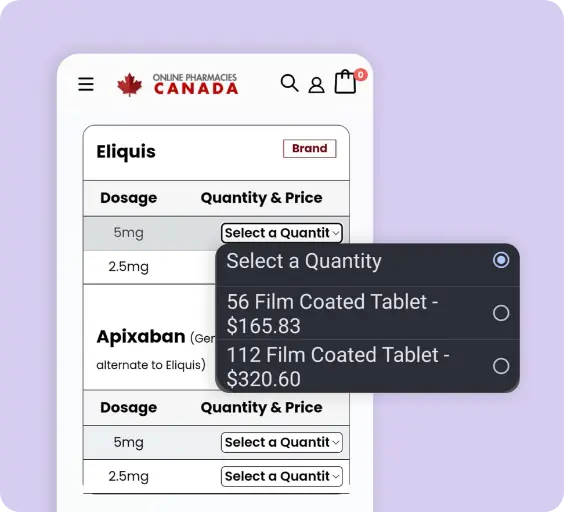
* This price includes a dispensing fee, medical review fee, and packing fee.
Shipped and delivered directly to your doorstep
Cytomel (active ingredient: liothyronine sodium) is a prescription medication used to replace or supplement thyroid hormone in people whose thyroid gland does not produce enough hormone naturally. It belongs to a class of medications known as thyroid hormones.
Thyroid hormones help regulate many important body functions, including metabolism, energy production, heart function, body temperature, and normal growth and development.
Cytomel is primarily used to treat hypothyroidism, a condition in which the thyroid gland does not produce enough thyroid hormone.
Common symptoms of hypothyroidism may include:
Cytomel replaces the missing thyroid hormone, helping restore normal hormone levels and relieve symptoms.
It is used to treat most forms of hypothyroidism, except for temporary hypothyroidism that occurs during recovery from subacute thyroiditis.
Thyroid Hormone Replacement
Cytomel may also be used as thyroid hormone replacement therapy in individuals whose thyroid gland has been removed, damaged, or is unable to produce enough thyroid hormone on its own.
Replacing thyroid hormone helps maintain normal body functions and supports healthy metabolism.
Myxedema Coma or Precoma
Cytomel may be used as part of the treatment for myxedema coma or myxedema precoma, which are rare but life-threatening complications of severe, untreated hypothyroidism.
These conditions require immediate medical attention, and Cytomel may be administered as part of emergency treatment under close medical supervision.
Suppression of Thyroid-Stimulating Hormone (TSH)
Cytomel may be prescribed to suppress thyroid-stimulating hormone (TSH) in certain patients, including those with:
Reducing TSH levels may help manage specific thyroid conditions as determined by a healthcare provider.
Thyroid Cancer Management
Cytomel may also be used as part of the management of thyroid cancer, particularly in situations where suppression of TSH is recommended to reduce stimulation of remaining thyroid tissue or cancer cells.
Your healthcare provider will determine whether Cytomel is appropriate as part of your treatment plan.
Cytomel contains liothyronine sodium, a synthetic form of triiodothyronine (T3), one of the body’s natural thyroid hormones.
It works by replacing or supplementing thyroid hormone levels, helping regulate many essential body functions.
Adequate thyroid hormone levels help:
By restoring normal thyroid hormone levels, Cytomel helps relieve the symptoms associated with hypothyroidism and other thyroid disorders.
When used as prescribed, Cytomel may help:
Cytomel should be taken exactly as prescribed by your healthcare provider. Because thyroid hormone requirements vary from person to person, regular blood tests are important to monitor thyroid hormone levels and ensure you are receiving the correct dose.
Cytomel is an oral tablet that should be taken exactly as prescribed by your healthcare provider. To help achieve the best results, take Cytomel consistently and at the same time each day.
Because thyroid hormone replacement is often a lifelong treatment, do not stop taking Cytomel without first consulting your healthcare provider. Stopping the medication suddenly may cause your hypothyroidism symptoms to return or worsen.
Your dosage will be individualized based on several factors, including:
Your healthcare provider may adjust your dose over time to maintain the appropriate thyroid hormone levels.
Hypothyroidism
For the treatment of hypothyroidism, the usual dosage ranges from:
Your healthcare provider will determine the most appropriate starting dose and adjust it as needed based on your thyroid function tests and clinical response.
Thyroid Cancer
When Cytomel is used as part of thyroid cancer management, the dosage is individualized according to the target thyroid-stimulating hormone (TSH) level established by your healthcare provider.
The goal of treatment is to achieve the desired level of TSH suppression while minimizing the risk of side effects.
Thyroid Suppression Testing
For thyroid suppression testing, Cytomel is typically prescribed at a dosage of:
Your healthcare provider will provide specific instructions regarding the timing and duration of treatment for this purpose.
Because thyroid hormone requirements vary between individuals, regular monitoring helps ensure that your treatment remains safe and effective.
Cytomel (Liothyronine) is available in the following forms and strengths:
Before taking Cytomel, tell your healthcare provider about your medical history, allergies, and any medications you are taking. Certain health conditions may require closer monitoring or dose adjustments during treatment.
Do not take Cytomel if you are allergic to liothyronine or any of the ingredients in the medication.
Some formulations may contain inactive ingredients that can cause allergic reactions or other problems. Speak with your pharmacist if you have questions about the ingredients in your medication.
Seek immediate medical attention if you develop signs of an allergic reaction, such as:
Cytomel can increase the activity of the heart and may cause:
Tell your healthcare provider if you have a history of:
Your healthcare provider may monitor your heart function and adjust your dose if needed.
Cytomel may affect blood sugar levels and could change how well your diabetes medications work.
If you have diabetes:
Long-term use of Cytomel, especially at higher doses, may reduce bone mineral density and increase the risk of osteoporosis, particularly in postmenopausal women.
To help minimize this risk, your healthcare provider will:
Cytomel should not be used to treat obesity or promote weight loss.
In people with normal thyroid function, thyroid hormone medications are not effective for weight reduction. Taking larger-than-recommended doses for weight loss can cause serious or life-threatening side effects, including heart-related complications.
If your thyroid hormone dose is too low, you may experience symptoms of hypothyroidism, such as:
If you continue to experience these symptoms while taking Cytomel, speak with your healthcare provider. Your dose may need to be adjusted based on your thyroid hormone levels.
Contact your healthcare provider if you experience:
Regular follow-up appointments and blood tests are important to ensure Cytomel is working safely and effectively while helping maintain appropriate thyroid hormone levels.
Cytomel contains liothyronine sodium, a synthetic form of the thyroid hormone triiodothyronine (T3). It works by replacing or supplementing the body’s natural thyroid hormone, helping regulate metabolism, energy production, heart function, body temperature, and many other essential processes. Restoring normal thyroid hormone levels can help relieve the symptoms of hypothyroidism.
Cytomel is generally best taken on an empty stomach, at least 30 minutes before a meal or 2 hours after eating. Taking the medication at the same time each day helps maintain consistent thyroid hormone levels in your body. Always follow the instructions provided by your healthcare provider and do not take Cytomel more often or in higher doses than prescribed.
Cytomel begins working within a few hours after you take a dose. Approximately 95% of the medication is absorbed within about 4 hours. However, while the medication starts working quickly, it may take 2 to 3 days to reach its maximum therapeutic effect. Depending on your condition, it may take longer before you notice an improvement in your symptoms.
Yes. Cytomel is generally considered safe and effective when used exactly as prescribed by a healthcare provider. As with any medication, it may cause side effects or interact with certain medical conditions and medications. Before starting treatment, discuss the potential benefits and risks with your healthcare provider and attend regular follow-up appointments to monitor your thyroid hormone levels.
Cytomel has an average half-life of about 2.5 days. In general, it takes approximately five half-lives for a medication to be eliminated from the body. Based on this, Cytomel may remain in your system for about 12.5 days after your last dose, although this can vary depending on individual factors such as your metabolism, age, and overall health. Even after the medication leaves your body, continue following your healthcare provider’s instructions regarding any changes to your treatment plan.
| Generic name: | L-Triidotironin Sodium, Liothyronine, Triiodothyronine |
|---|---|
| Formulation: | Tablet |
| Strength(s): | 5mcg, 25mcg |
| Quantities Available: | 90, 100, 300 |
Our online Canadian Pharmacy is known for high standards of quality, safety, and efficiency when it comes to medications.
Our pharmacy offers lower prices on prescription drugs compared to traditional pharmacies.
When ordering Cytomel (liothyronine sodium) from a Canadian pharmacy, you can typically purchase up to a 90-day supply at one time. This is common practice for prescription medications to ensure patients have an adequate amount for managing their condition without the need for frequent refills.
Here’s what you need to know:
Dosage and Quantity: Cytomel is commonly prescribed in dosages of 5 mcg or 25 mcg tablets, taken once or multiple times daily depending on the individual’s thyroid hormone requirements. For a 90-day supply, this means you would order the appropriate quantity based on your prescribed dosage and frequency of use.
For example:
Yes, we do sell liothyronine sodium on our website. You can enjoy our low prices for this medication. However, please note that you will need a valid prescription from your healthcare provider in order to purchase liothyronine sodium from us. We require this prescription to dispense the medication safely and legally. You can submit your prescription by mail, fax, or upload it through your online account for a convenient ordering process.
Yes, we ship Cytomel (liothyronine sodium) to both the United States and Puerto Rico.
Online Pharmacies Canada has provided information from third parties intended to increase awareness and does not contain all the information about Cytomel (Liothyronine). Talk to your doctor or other qualified medical practitioners for medical attention or advice, or if you have any concerns about Cytomel (Liothyronine).
REVIEWS