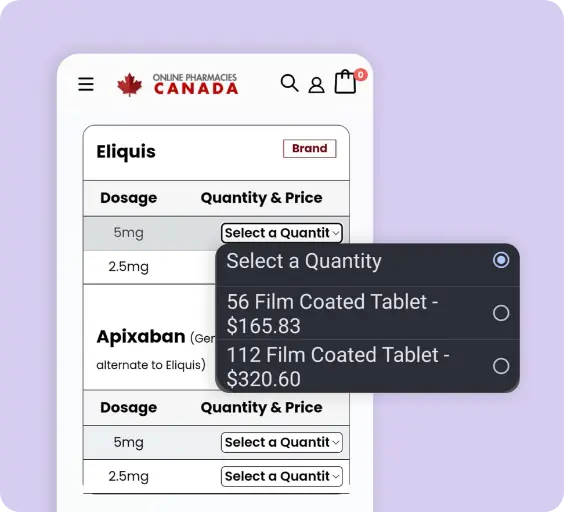
* This price includes a dispensing fee, medical review fee, and packing fee.
Shipped and delivered directly to your doorstep
Synthroid contains the active ingredient levothyroxine sodium. It is a prescription medication used to replace or supplement thyroid hormone in people whose thyroid gland does not produce enough hormone.
Thyroid hormones play an important role in regulating the body’s metabolism, energy levels, temperature control, heart rate, and many other essential functions. When thyroid hormone levels are too low, the body’s processes can slow down, leading to symptoms such as fatigue, weight changes, feeling cold, dry skin, constipation, and low mood.
Synthroid is a synthetic form of thyroxine (T4), one of the main hormones naturally produced by the thyroid gland. Once taken, the body converts T4 into the active thyroid hormone triiodothyronine (T3) as needed.
Hypothyroidism
Synthroid is most commonly used to treat hypothyroidism, a condition where the thyroid gland does not produce enough thyroid hormone.
Hypothyroidism may occur due to conditions such as:
By restoring thyroid hormone levels, Synthroid helps improve symptoms associated with low thyroid function, including:
Thyroid cancer
Synthroid may also be used as part of the treatment plan for certain types of thyroid cancer.
After thyroid surgery or radioiodine therapy, levothyroxine may be prescribed to replace missing thyroid hormone and, in some cases, help suppress thyroid-stimulating hormone (TSH). Lowering TSH levels may help reduce stimulation of remaining thyroid cancer cells.
The dose used for thyroid cancer management may be different from the dose used for routine hypothyroidism treatment and requires careful monitoring by a healthcare provider.
Goiter (enlarged thyroid gland)
Synthroid may be used to treat or prevent certain types of goiter, which is an enlargement of the thyroid gland.
An enlarged thyroid may occur due to conditions such as:
By providing the body with adequate thyroid hormone, Synthroid may help regulate thyroid activity and prevent further thyroid enlargement in some situations.
Synthroid belongs to a class of medications called thyroid hormones.
It works by replacing the thyroxine (T4) hormone that the thyroid gland normally produces. Once absorbed, the medication helps restore normal thyroid hormone levels and supports the body’s metabolism.
Maintaining appropriate thyroid hormone levels helps regulate:
Synthroid is usually taken as a long-term medication, and many people with hypothyroidism need lifelong treatment.
The dose is individualized based on factors such as thyroid hormone levels, age, weight, medical conditions, pregnancy status, and response to treatment.
Regular blood tests, including thyroid-stimulating hormone (TSH) measurements, are needed to ensure the dose remains appropriate.
Take Synthroid exactly as prescribed. Do not change your dose or stop taking it without speaking with your healthcare provider, as incorrect thyroid hormone levels can affect many areas of the body.
Take Synthroid exactly as prescribed by your healthcare provider. It is usually taken once daily on an empty stomach, preferably 30 to 60 minutes before breakfast.
Swallow the tablet whole with a full glass of water. Do not crush, chew, or split the tablet unless your healthcare provider specifically instructs you to do so.
For infants and young children who cannot swallow tablets, the tablet may be crushed and mixed with a small amount of water immediately before administration. Do not mix Synthroid with infant formula, soy-based formulas, or foods that may interfere with absorption unless directed by your healthcare provider.
For the best absorption, take Synthroid at the same time each day and keep your dosing routine consistent.
Certain foods, supplements, and medications can reduce how much Synthroid your body absorbs. Separate Synthroid from the following products by at least 4 hours, unless your healthcare provider gives different instructions:
Tell your healthcare provider and pharmacist about all prescription medications, over-the-counter products, vitamins, and supplements you take.
The appropriate Synthroid dose varies from person to person and depends on factors such as:
For otherwise healthy adults with newly diagnosed hypothyroidism, the typical full replacement starting dose is approximately 1.6 micrograms per kilogram of body weight per day.
However, many people require a lower starting dose, especially:
Your healthcare provider will usually adjust the dose based on blood tests, especially thyroid-stimulating hormone (TSH) levels, and how well your symptoms are controlled.
There is no single maximum dose that applies to every patient. The required dose depends on the individual’s thyroid hormone needs and treatment goals.
Most adults with hypothyroidism are treated within a range of approximately 25 to 200 micrograms per day, although some patients may require higher doses under specialist supervision.
Do not increase, decrease, or stop Synthroid without medical guidance. Changes in thyroid hormone levels can take several weeks to appear, and your healthcare provider will adjust your dose carefully to maintain the appropriate hormone balance.
Synthroid (Levothyroxine) is available in the following forms and strength:
Before taking Synthroid or any levothyroxine medication, tell your healthcare provider or pharmacist if you have any allergies.
Synthroid contains inactive ingredients that may vary between products and may cause allergic reactions or sensitivity in some people. Your pharmacist can provide information about the ingredients in your specific medication.
Do not switch between different brands or formulations of levothyroxine without first speaking with your healthcare provider.
Different levothyroxine products may not be absorbed by the body in exactly the same way. Changing products may affect your thyroid hormone levels and may require additional blood tests or dose adjustments.
Tell your healthcare provider if you have, or have previously had:
These conditions may affect how your body responds to Synthroid. Your healthcare provider may need to adjust your dose or monitor you more closely during treatment.
Tell your healthcare provider if you are pregnant, planning to become pregnant, or breastfeeding.
Thyroid hormone requirements often increase during pregnancy, and your Synthroid dose may need to be adjusted to maintain healthy thyroid hormone levels for both you and your baby.
Do not stop taking Synthroid during pregnancy unless specifically instructed by your healthcare provider.
Synthroid absorption can be affected by certain medications, supplements, and foods.
Tell your healthcare provider and pharmacist about all products you take, including:
Calcium, iron, antacids, and some cholesterol-lowering medications can reduce Synthroid absorption. These products may need to be taken several hours apart from Synthroid.
Do not stop taking Synthroid or change your dose without speaking with your healthcare provider.
Stopping treatment suddenly may cause thyroid hormone levels to become too low again, leading to a return of hypothyroidism symptoms such as fatigue, weight changes, feeling cold, constipation, and low energy.
Your healthcare provider will adjust your dose gradually based on your thyroid blood tests and symptoms.
Long-term use of levothyroxine, especially at doses higher than needed, may increase the risk of bone loss over time.
This risk may be higher in postmenopausal women and people who already have risk factors for osteoporosis.
Your healthcare provider will regularly monitor your thyroid hormone levels to ensure you are taking the lowest effective dose needed to maintain normal thyroid function. Keeping thyroid hormone levels within the recommended range may help reduce the risk of bone-related complications.
Weight gain is not a typical side effect of Synthroid. However, if your Synthroid dose is too low and your thyroid hormone levels remain below the normal range, symptoms of hypothyroidism may continue. These symptoms may include fatigue, slowed metabolism, and difficulty maintaining or losing weight. If you experience unexplained weight changes while taking Synthroid, talk to your healthcare provider. Your dose may need to be adjusted based on your thyroid blood test results.
Yes. Certain medications, supplements, and foods can reduce how much Synthroid your body absorbs, which may make the medication less effective. Products that may interfere with Synthroid absorption include calcium supplements, iron supplements, multivitamins containing minerals, antacids containing aluminum or magnesium, certain cholesterol-lowering medications, soybean flour, high-fiber foods, walnuts, and cottonseed meal. To help ensure proper absorption, Synthroid should usually be taken on an empty stomach with a full glass of water. Calcium supplements, iron supplements, and certain other products should generally be taken at least 4 hours apart from Synthroid unless your healthcare provider gives you different instructions. Always inform your healthcare provider and pharmacist about all prescription medications, over-the-counter products, vitamins, minerals, and supplements you take so they can help prevent potential interactions and ensure your treatment remains effective.
Synthroid begins working after you start taking it, but it may take several weeks for thyroid hormone levels to stabilize and for you to notice the full benefits. Your healthcare provider will usually check your thyroid-stimulating hormone (TSH) levels about 6 to 8 weeks after starting treatment or changing your dose to determine whether adjustments are needed. Continue taking Synthroid as prescribed, even if you do not notice immediate symptom improvement.
If you miss a dose of Synthroid, take it as soon as you remember unless it is close to the time of your next scheduled dose. If it is almost time for your next dose, skip the missed dose and continue with your regular schedule. Do not take two doses at the same time to make up for a missed dose unless your healthcare provider specifically instructs you to do so. Try to take Synthroid at the same time every day to maintain consistent thyroid hormone levels.
Synthroid is often used as a long-term treatment for hypothyroidism. Many people with hypothyroidism require lifelong treatment, especially when the thyroid gland cannot produce enough hormone on its own. Your healthcare provider will regularly monitor your thyroid hormone levels and adjust your dose as needed. Do not stop taking Synthroid unless your healthcare provider tells you to stop.
| Generic name: | Levothyroxine |
|---|---|
| Formulation: | Tablet |
| Strength(s): | 0.025mg, 0.05mg, 0.075mg, 0.088mg, 0.15mg, 0.100mg, 0.112mg, 0.125mg, 0.137mg, 0.175mg, 0.200mg, 0.300mg |
| Quantities Available: | 90 |
Our online Canadian Pharmacy is known for high standards of quality, safety, and efficiency when it comes to medications.
Our pharmacy offers lower prices on prescription drugs compared to traditional pharmacies.
When ordering Synthroid (levothyroxine sodium) from a Canadian pharmacy, you can typically purchase up to a 90-day supply at one time, which is common for prescription medications to ensure adequate management of chronic conditions without frequent refills.
Here’s what you need to know:
Dosage and Quantity: Synthroid is available in various strengths, ranging from 0.088 mg to 0.137 mg. The dosage prescribed will depend on your specific treatment plan.
For example, if you are prescribed Synthroid 0.1mg once daily, you would order 90 tablets for a 90-day supply (90 days x 1 tablet per day).
No, we do not sell levothyroxine sodium directly. However, you can still enjoy competitive prices on Synthroid, which contains levothyroxine sodium as its active ingredient. To purchase Synthroid from our website, you will need a valid prescription from your healthcare provider. We require this to dispense the medication safely and in compliance with regulatory standards. You can conveniently submit your prescription by mailing it, faxing it, or uploading it through your online account on our website.
Yes, we ship Synthroid (levothyroxine sodium) to both the United States and Puerto Rico.
Online Pharmacies Canada has provided information from third parties intended to increase awareness and does not contain all the information about Synthroid (Levothyroxine). Talk to your doctor or other qualified medical practitioners for medical attention or advice, or if you have any concerns about Synthroid (Levothyroxine).
REVIEWS