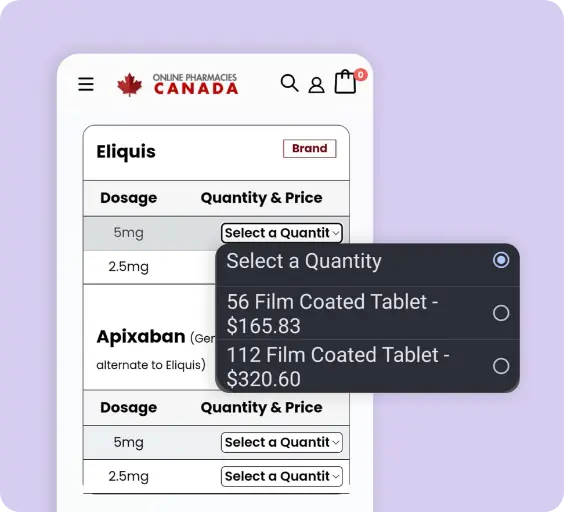
* This price includes a dispensing fee, medical review fee, and packing fee.
Shipped and delivered directly to your doorstep
Cipro (active ingredient: ciprofloxacin) is a prescription antibiotic used to treat a variety of bacterial infections. It belongs to a class of medications known as fluoroquinolone antibiotics, which work by killing susceptible bacteria and preventing them from multiplying.
Cipro is effective against many different types of bacteria and may be prescribed for infections affecting the urinary tract, respiratory system, skin, bones, joints, and digestive tract.
It is important to remember that Cipro treats bacterial infections only and will not work against viral illnesses such as the common cold, flu, or most sore throats caused by viruses.
Urinary Tract Infections (UTIs)
Cipro is commonly used to treat urinary tract infections, including:
Symptoms of a UTI may include:
By eliminating the bacteria causing the infection, Cipro helps relieve symptoms and promote recovery.
Respiratory Tract Infections
Cipro may be prescribed for certain bacterial infections of the respiratory tract, including:
These infections can cause symptoms such as:
Treatment helps clear the infection and improve breathing-related symptoms.
Skin and Soft Tissue Infections
Cipro is used to treat certain bacterial infections affecting the skin and underlying tissues, including:
These infections may cause:
Prompt treatment helps prevent the infection from spreading and supports healing.
Bone and Joint Infections
Cipro may also be prescribed to treat bacterial infections involving bones and joints, including:
These infections often require prolonged antibiotic treatment and careful monitoring by a healthcare provider.
Gastrointestinal Infections
Cipro is used to treat certain bacterial infections affecting the digestive tract, including:
Symptoms may include:
Treatment helps eliminate the bacteria responsible for the infection and shorten the duration of illness.
Cipro works by interfering with essential bacterial enzymes known as:
These enzymes are required for bacteria to:
By blocking these enzymes, ciprofloxacin prevents bacteria from reproducing and ultimately causes bacterial cell death.
Eliminating the Infection
As the bacteria are destroyed, the body’s immune system can more effectively clear the infection.
This helps:
For best results, it is important to complete the entire prescribed course of treatment, even if symptoms improve before the medication is finished.
When used as prescribed, Cipro may help:
Because fluoroquinolone antibiotics can be associated with serious side effects, Cipro should only be used when prescribed by a healthcare provider and taken exactly as directed.
Cipro is usually taken by mouth as a tablet twice daily, although the exact dosage and duration of treatment depend on the type and severity of the infection being treated.
Take Cipro exactly as prescribed by your healthcare provider. Even if you begin to feel better, continue taking the medication for the full prescribed course to ensure the infection is completely treated and to help prevent antibiotic resistance.
Cipro may be taken with or without food. If the medication causes stomach upset, taking it with food may help improve tolerability. For best results, take your doses at the same times each day to maintain consistent medication levels in your body.
Swallow the tablets whole. Do not crush or chew them, as they may have a bitter taste. Do not split the tablets unless they are scored and your healthcare provider or pharmacist specifically instructs you to do so.
The appropriate dosage of Cipro varies depending on the infection being treated, your medical condition, kidney function, and response to therapy.
In many cases, the usual adult dose ranges from:
Your healthcare provider will determine the most appropriate dose for your specific situation.
The recommended dosage of Cipro varies depending on the type and severity of the infection being treated. Always take Cipro exactly as prescribed by your healthcare provider.
Common Dosage Guidelines for Cipro
Skin and Soft Tissue Infections
Bone and Joint Infections
Complicated Intra-Abdominal Infections
Infectious Diarrhea
Typhoid Fever
Uncomplicated Gonococcal Infections
Inhalational Anthrax (Post-Exposure)
Plague
Chronic Bacterial Prostatitis
Lower Respiratory Tract Infections
Urinary Tract Infections (UTIs)
Acute Uncomplicated Cystitis
Acute Sinusitis
The appropriate dose and duration of treatment depend on several factors, including the type of infection, its severity, your kidney function, and your overall health. Even if you start feeling better, continue taking Cipro for the full prescribed course to ensure the infection is completely treated and to help prevent antibiotic resistance. Always follow your healthcare provider’s instructions and contact them if you have questions about your dosage.
Missing doses or stopping treatment too soon may reduce the effectiveness of the antibiotic and increase the risk of developing antibiotic-resistant bacteria.
If you miss a dose of Cipro, take it as soon as you remember. However, if it is almost time for your next scheduled dose, skip the missed dose and resume your normal dosing schedule.
Do not take two doses at the same time to make up for a missed dose.
If you are unsure what to do after missing a dose, contact your healthcare provider or pharmacist for guidance.
Cipro (Ciprofloxacin) is available in the following forms and strengths:
Before taking Cipro, discuss your medical history and any current medications with your healthcare provider. Certain health conditions may increase the risk of side effects or require additional monitoring during treatment.
Children may be more sensitive to certain side effects of ciprofloxacin, particularly those affecting the joints, muscles, and tendons.
Older adults, especially those over 60 years of age, may have a higher risk of developing tendon-related problems, including:
The risk may be further increased in individuals who:
Contact your healthcare provider immediately if you experience tendon pain, swelling, or difficulty moving a joint.
Some formulations of Cipro contain sucrose and may not be suitable for people with certain rare inherited metabolic disorders.
Tell your healthcare provider if you have:
Your healthcare provider can determine whether Cipro is an appropriate treatment option for you.
Cipro should only be used during pregnancy when clearly needed and when the potential benefits outweigh the potential risks.
If you are pregnant, planning to become pregnant, or become pregnant while taking Cipro, discuss your treatment options with your healthcare provider. Together, you can determine whether continuing treatment is appropriate for your situation.
If you are taking medications that affect blood clotting, your healthcare provider may recommend closer monitoring during treatment.
Ciprofloxacin passes into breast milk and may affect a nursing infant.
If you are breastfeeding or planning to breastfeed, talk to your healthcare provider before taking Cipro. They can help you weigh the benefits of treatment against any potential risks to your baby.
Ciprofloxacin may reduce the effectiveness of certain live bacterial vaccines, including the oral typhoid vaccine.
Before receiving any vaccinations or immunizations, inform your healthcare provider that you are taking Cipro. Your healthcare provider may recommend adjusting the timing of vaccination or selecting an alternative vaccine if appropriate.
Contact your healthcare provider promptly if you experience:
Regular communication with your healthcare provider can help ensure that Cipro is used safely and effectively throughout your treatment course.
Cipro begins working against susceptible bacteria within a few hours of taking your first dose. However, you may not notice an improvement in your symptoms immediately. Most people begin to feel better within 2 to 3 days of starting treatment, although the time it takes to improve can vary depending on the type and severity of the infection, your overall health, and how your body responds to the medication. Even if your symptoms improve, it is important to continue taking Cipro for the full prescribed course to ensure the infection is completely treated and to help prevent antibiotic resistance.
Cipro may not be suitable for everyone, as certain medical conditions and medications can increase the risk of serious side effects. Before starting treatment, tell your healthcare provider if you have a history of abnormal heart rhythms, long QT syndrome, other significant heart conditions, or if you are taking medications that may affect heart rhythm. You should also inform your healthcare provider if you have previously experienced a serious reaction to fluoroquinolone antibiotics. Because Cipro can affect heart rhythm in some individuals, your healthcare provider may recommend a different antibiotic if you have certain cardiovascular risk factors. Always provide your healthcare provider with a complete medical history and a list of all medications, supplements, and herbal products you use before starting treatment.
Cipro should not be taken with milk, yogurt, or calcium-fortified foods and beverages alone because calcium can interfere with the absorption of the medication and make it less effective. Examples of products that may affect absorption include milk, yogurt, calcium-fortified juices, and calcium-fortified cereals. However, dairy products and calcium-containing foods can generally be consumed as part of a regular meal while taking Cipro. To help ensure proper absorption, take Cipro with water and avoid taking it together with dairy products or calcium-fortified foods by themselves. Always follow any additional instructions provided by your healthcare provider or pharmacist. If you are unsure how to take Cipro with meals, supplements, or dairy products, consult your healthcare provider or pharmacist for personalized guidance.
| Generic name: | Ciprofloxacin |
|---|---|
| Formulation: | Tablet |
| Strength(s): | 250mg, 500mg, 750mg |
| Quantities Available: | 50, 100 |
Our online Canadian Pharmacy is known for high standards of quality, safety, and efficiency when it comes to medications.
Our pharmacy offers lower prices on prescription drugs compared to traditional pharmacies.
When ordering Cipro (ciprofloxacin) from a Canadian pharmacy, you can typically purchase up to a 90-day supply at one time, which is common for prescription medications to ensure adequate treatment of bacterial infections without frequent refills.
Here’s what you need to know:
Dosage and Quantity: Cipro is commonly prescribed in various dosages, such as 250 mg, 500 mg, and 750 mg tablets. The exact quantity will depend on your prescribed daily dose. For example:
If you are prescribed 500 mg twice daily, for a 90-day supply, you would order 180 tablets of the 500 mg strength (90 days x 2 tablets per day).
Yes, we sell ciprofloxacin at our website, and you can enjoy low prices. However, to purchase ciprofloxacin, you will need a valid prescription from your healthcare provider. We require this to dispense the medication safely and appropriately. You can provide your prescription by mailing, faxing, or uploading it through your online account.
Yes, we ship Cipro (ciprofloxacin) to both the United States and Puerto Rico.
Online Pharmacies Canada has provided information from third parties intended to increase awareness and does not contain all the information about Cipro (Ciprofloxacin). Talk to your doctor or other qualified medical practitioners for medical attention or advice, or if you have any concerns about Cipro (Ciprofloxacin).
REVIEWS