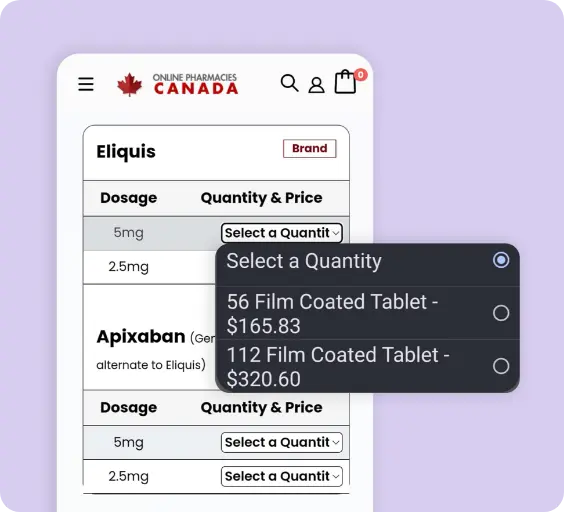
* This price includes a dispensing fee, medical review fee, and packing fee.
Shipped and delivered directly to your doorstep
Proloprim is a prescription antibiotic used to treat certain bacterial infections, particularly uncomplicated urinary tract infections (UTIs).
It contains trimethoprim, an active ingredient belonging to a class of antibiotics called dihydrofolate reductase inhibitors, also known as folate antagonists.
Trimethoprim works by interfering with the bacteria’s ability to produce folate, a substance needed to make DNA and support bacterial growth.
By blocking this process, Proloprim prevents susceptible bacteria from multiplying, allowing the body’s immune system to help eliminate the infection.
Proloprim is generally prescribed when the bacteria causing the infection are known or expected to be susceptible to trimethoprim.
Proloprim is primarily used to treat uncomplicated bacterial urinary tract infections. It does not treat viral infections, such as the common cold or influenza.
Proloprim is primarily prescribed to treat uncomplicated urinary tract infections caused by susceptible bacteria.
A urinary tract infection occurs when bacteria enter and multiply within the urinary system, which includes the kidneys, ureters, bladder, and urethra.
Most uncomplicated UTIs affect the bladder or lower urinary tract.
These infections are more common in women because bacteria can reach the bladder more easily through the shorter female urethra.
Common symptoms of a UTI include a burning sensation during urination, frequent urination, a sudden urge to urinate, and discomfort in the lower abdomen.
Some patients may also notice cloudy urine or blood in their urine.
Proloprim helps treat these infections by preventing susceptible bacteria from multiplying.
However, not all bacteria respond to trimethoprim. Your healthcare provider may recommend a urine culture to identify the bacteria and determine whether the antibiotic is likely to be effective.
Proloprim helps treat uncomplicated urinary tract infections caused by susceptible bacteria, reducing infection-related symptoms and helping restore urinary tract health.
Proloprim may be prescribed for uncomplicated bacterial cystitis, a common type of urinary tract infection.
Cystitis occurs when bacteria infect and irritate the lining of the bladder.
The condition is frequently caused by Escherichia coli (E. coli), a bacterium normally found in the digestive tract.
When E. coli enters the urinary tract and reaches the bladder, it can multiply and cause infection.
Symptoms may include painful urination, frequent bathroom visits, bladder pressure, and lower abdominal discomfort.
Some patients may also experience a persistent urge to urinate, even when the bladder contains very little urine.
Proloprim prevents susceptible bacteria from producing the folate they need to grow and reproduce.
As bacterial growth is inhibited, the infection may gradually improve.
The medication should be taken for the full duration prescribed by your healthcare provider, even if symptoms improve earlier.
Proloprim may help treat uncomplicated bacterial cystitis by stopping susceptible bacteria from multiplying and allowing the infection to resolve.
Proloprim is effective against certain bacterial strains that are susceptible to trimethoprim.
According to prescribing information, trimethoprim may be used to treat uncomplicated urinary tract infections caused by organisms including:
However, bacterial susceptibility can vary by location and individual infection.
Some bacteria have developed resistance to trimethoprim, meaning the antibiotic may no longer work effectively against them.
For this reason, your healthcare provider may use urine culture and antibiotic susceptibility testing to identify an appropriate treatment.
If the infection does not improve or laboratory results show resistance, another antibiotic may be necessary.
Proloprim should only be used for infections caused by bacteria that are susceptible to trimethoprim. Laboratory testing may help determine whether it is an appropriate treatment.
Pyelonephritis is a bacterial infection affecting one or both kidneys.
It is more serious than an uncomplicated bladder infection because bacteria have reached the upper urinary tract.
Symptoms may include fever, chills, nausea, vomiting, pain in the back or side, and urinary discomfort.
Although trimethoprim has antibacterial activity against certain urinary pathogens, Proloprim is not specifically approved as a stand-alone treatment for pyelonephritis under the referenced prescribing information.
Kidney infections generally require antibiotic treatment selected according to the patient’s clinical condition, bacterial susceptibility, and local treatment recommendations.
In some circumstances, trimethoprim-containing combinations may be used when the bacteria are susceptible, but these should not be confused with trimethoprim alone.
Patients with suspected kidney infections should receive prompt medical assessment because untreated infections may cause serious complications.
Proloprim is primarily intended for uncomplicated lower urinary tract infections. Kidney infections require medical assessment and may need a different antibiotic regimen.
Trimethoprim has antibacterial activity against certain organisms that may cause infections outside the urinary tract.
However, Proloprim is not specifically approved for routine treatment of respiratory tract infections, such as bronchitis, under the referenced U.S. and Canadian trimethoprim prescribing information.
Bronchitis involves inflammation of the bronchial tubes, which carry air into the lungs.
Common symptoms include coughing, mucus production, chest discomfort, and sometimes wheezing.
Most cases of acute bronchitis are caused by viruses, which cannot be treated with antibiotics.
When a respiratory infection is bacterial, the appropriate antibiotic depends on the organism involved, the severity of the illness, and local resistance patterns.
Trimethoprim may sometimes be used for certain infections outside its approved indications, but this requires an individualized medical decision.
Proloprim is not routinely recommended for bronchitis or other respiratory infections. Antibiotics should only be used when a bacterial infection requires treatment and the selected medication is appropriate.
Proloprim contains trimethoprim, an antibiotic that interferes with the production of folate inside susceptible bacteria.
Folate is essential for bacterial DNA synthesis and cell growth.
Bacteria must produce active forms of folate to multiply and maintain normal cellular functions.
Trimethoprim blocks an enzyme called dihydrofolate reductase (DHFR).
This enzyme is responsible for converting dihydrofolate into tetrahydrofolate, an active form of folate required for producing DNA.
By inhibiting bacterial DHFR, trimethoprim prevents bacteria from making sufficient amounts of the substances needed for growth and reproduction.
Inhibits Bacterial Folate Metabolism
Proloprim blocks bacterial dihydrofolate reductase, interfering with the production of active folate.
Prevents Bacterial Growth
Without adequate folate, susceptible bacteria cannot efficiently produce DNA and multiply.
Helps Control Urinary Tract Infections
As bacterial growth is inhibited, the body’s immune system can help eliminate the infection.
Targets Susceptible Bacteria
Trimethoprim acts more strongly on bacterial DHFR than on the corresponding human enzyme at usual therapeutic concentrations.
Proloprim works by blocking bacterial folate metabolism, preventing susceptible bacteria from multiplying and helping the body clear the infection.
Proloprim begins acting against susceptible bacteria after the medication is absorbed into the bloodstream and reaches the urinary tract.
However, the time needed for symptoms to improve varies depending on the severity of the infection and the bacteria responsible.
For uncomplicated urinary tract infections, some patients may notice improvement in burning, urinary frequency, or bladder discomfort within approximately 24 to 48 hours of starting an effective antibiotic.
Other patients may require more time before symptoms improve significantly.
Even when symptoms begin to disappear, bacteria may still be present.
For this reason, take Proloprim for the full duration prescribed by your healthcare provider.
If symptoms do not begin improving within approximately 48 hours, or if they become worse, contact your healthcare provider.
Fever, chills, vomiting, or pain in the back or side may indicate a more serious urinary tract infection requiring urgent assessment.
Proloprim may begin relieving UTI symptoms within one to two days, but treatment response varies. Complete the prescribed antibiotic course and seek medical advice if symptoms persist or worsen.
Proloprim contains trimethoprim and has been marketed in 100 mg and 200 mg oral tablet strengths, depending on the country and manufacturer.
The brand-name Proloprim 100 mg tablet is listed as discontinued in Canada, although generic trimethoprim tablets are marketed.
The appropriate dosage and treatment duration depend on the infection, kidney function, and individual medical history.
Common side effects may include nausea, vomiting, stomach discomfort, and skin rash.
More serious reactions may include severe allergic reactions, changes in blood cell counts, elevated potassium levels, and potentially serious skin reactions.
Tell your healthcare provider if you have kidney disease, folate deficiency, a history of medication allergies, or take medications that increase potassium levels.
Trimethoprim may interact with certain medications, including methotrexate and potassium-raising drugs.
Pregnant or breastfeeding patients should consult their healthcare provider before treatment. The Canadian trimethoprim product monograph lists pregnancy and breastfeeding as contraindications.
Take Proloprim exactly as prescribed, complete the recommended antibiotic course, and seek medical attention if you develop a severe rash, difficulty breathing, unusual bruising, or worsening infection symptoms.
Proloprim is a prescription antibiotic used to treat uncomplicated urinary tract infections (UTIs) caused by bacteria that are susceptible to trimethoprim.
It contains trimethoprim, an antibiotic that works by preventing bacteria from producing folate, a substance they need to grow and multiply.
Proloprim is available as an oral tablet and is generally taken once or twice daily, depending on the prescribed dosage.
The appropriate dose and duration of treatment depend on the patient’s medical condition, age, kidney function, and response to treatment.
Take Proloprim exactly as prescribed by your healthcare provider. Do not increase or decrease your dosage, skip doses, or stop treatment early without medical advice.
Proloprim should be taken by mouth according to your healthcare provider’s instructions.
Swallow the tablet with a glass of water. Trimethoprim can generally be taken with or without food, although taking it with a meal may help reduce nausea or stomach discomfort.
If your healthcare provider prescribes Proloprim twice daily, try to space the doses approximately 12 hours apart.
For patients taking the medication once daily, taking it at approximately the same time each day can help maintain a consistent routine.
Carefully read the instructions on your prescription label before taking the medication.
Do not take more or fewer tablets than prescribed, even if your urinary symptoms improve.
If you have difficulty swallowing tablets or are unsure how to take your medication, ask your healthcare provider or pharmacist for advice.
Take Proloprim at regularly scheduled times, with or without food. Follow your prescription instructions carefully to ensure that the antibiotic is used effectively.
The recommended dosage of Proloprim depends on the type of infection, the patient’s age, kidney function, and individual treatment requirements.
For adults with uncomplicated urinary tract infections, the usual dosage under U.S. prescribing information is:
Both schedules are traditionally prescribed for 10 days under the product labeling. However, treatment duration may differ according to current clinical guidelines, the patient’s condition, and the healthcare provider’s assessment.
The previously stated dosage of 800 mg once daily is not a standard recommended dose for Proloprim when used to treat uncomplicated UTIs. It may reflect confusion with other antibiotic regimens, including products containing both trimethoprim and sulfamethoxazole.
Patients with kidney impairment may require a lower dosage because reduced kidney function can affect how quickly trimethoprim is eliminated from the body.
Your healthcare provider will determine the appropriate dosage based on your medical history, laboratory results, and treatment needs.
The usual adult dosage for uncomplicated UTIs is 100 mg twice daily or 200 mg once daily. Never use a higher dosage unless specifically prescribed for your medical condition.
Trimethoprim may be prescribed to children for certain bacterial infections when a healthcare provider determines that treatment is appropriate.
However, pediatric dosing differs from adult dosing and depends on the child’s age, weight, kidney function, and type of infection.
The appropriate dosage must be calculated carefully because children may require smaller amounts of medication.
The safety and effectiveness of trimethoprim tablets have not been established for children younger than two months under U.S. prescribing information.
Children should only receive trimethoprim when prescribed by a healthcare professional, and parents or caregivers should follow the specific dosing instructions provided.
Do not divide adult tablets or estimate a child’s dosage without confirmation from a pharmacist or healthcare provider.
Proloprim may be prescribed for certain pediatric infections, but the dosage must be determined by a healthcare professional. Never use an adult dosage for a child without medical guidance.
Taking Proloprim at the prescribed times helps maintain an appropriate concentration of trimethoprim in the body.
The medication works by interfering with bacterial folate production, preventing susceptible bacteria from growing and multiplying.
Taking doses irregularly may reduce treatment effectiveness and allow the infection to persist.
For patients taking Proloprim twice daily, doses should generally be spaced approximately 12 hours apart.
If your prescription requires once-daily treatment, take it at approximately the same time each day.
Setting a medication reminder may help you follow your treatment schedule.
Even if symptoms such as burning during urination, frequent urination, or bladder discomfort improve after a few doses, continue treatment for the full prescribed course.
Take Proloprim consistently and complete the prescribed antibiotic course, even if you begin feeling better before treatment ends.
If you forget to take a dose of Proloprim, take it as soon as you remember unless it is almost time for your next scheduled dose.
If the next dose is approaching, skip the missed dose and continue with your regular dosing schedule.
Do not take two doses together to compensate for a missed tablet.
Taking extra trimethoprim may increase the risk of side effects without improving treatment effectiveness.
If you miss several doses or frequently forget your medication, contact your healthcare provider or pharmacist.
Never double your Proloprim dose to make up for a missed dose. Resume your regular schedule and seek medical advice if you are unsure how to proceed.
The duration of Proloprim treatment depends on the type of infection, bacterial susceptibility, and individual medical circumstances.
The U.S. prescribing information for trimethoprim tablets lists a 10-day treatment course for uncomplicated urinary tract infections.
However, some contemporary treatment guidelines use shorter antibiotic courses in appropriately selected patients.
Your healthcare provider will determine the treatment duration based on your symptoms, medical history, urine test results, and local antibiotic resistance patterns.
Do not stop taking Proloprim simply because your symptoms have improved.
Stopping treatment earlier than prescribed may allow the infection to return or remain inadequately treated.
If your symptoms worsen or do not begin improving within approximately 48 hours, contact your healthcare provider.
Complete the entire prescribed course of Proloprim. Your healthcare provider will determine the appropriate treatment duration based on your infection and individual medical needs.
Proloprim should only be used to treat bacterial infections for which trimethoprim is appropriate.
Common side effects may include nausea, vomiting, stomach discomfort, and skin rash.
More serious reactions may include severe allergic reactions, changes in blood cell counts, and elevated potassium levels.
Patients with kidney disease, folate deficiency, or a history of medication allergies should inform their healthcare provider before starting treatment.
Trimethoprim may also interact with certain medications, including methotrexate, warfarin, and medications that increase potassium levels.
Tell your healthcare provider about all prescription medications, over-the-counter products, vitamins, and supplements you take.
Seek urgent medical attention if you develop difficulty breathing, a severe or blistering skin rash, unusual bruising or bleeding, or symptoms suggesting a serious allergic reaction.
Take Proloprim exactly as prescribed, complete the recommended treatment course, and report any unusual or severe side effects promptly. Do not change your dosage without medical guidance.
Proloprim (trimethoprim) is available in the following forms and strength:
Proloprim is a prescription antibiotic used to treat uncomplicated urinary tract infections (UTIs) caused by bacteria that are susceptible to trimethoprim.
It contains trimethoprim, an antibiotic that works by blocking bacterial folate production. Folate is necessary for bacteria to produce DNA, grow, and multiply.
Although Proloprim can effectively treat certain bacterial infections, it may cause side effects or interact with other medications. Patients with kidney disease, liver problems, blood disorders, or folate deficiency may require additional precautions.
Potential risks include allergic reactions, changes in blood cell counts, elevated potassium levels, and rare but serious skin reactions.
Proloprim should only be taken as prescribed. Inform your healthcare provider about your medical conditions, allergies, and other medications before starting treatment.
Do not take Proloprim if you have a known allergy to trimethoprim or another ingredient in the medication.
An allergic reaction occurs when the immune system responds abnormally to a substance.
Possible symptoms include itching, skin rash, hives, redness, or swelling.
In rare cases, trimethoprim may cause severe allergic reactions, including anaphylaxis.
Anaphylaxis is a potentially life-threatening reaction that may cause swelling of the face, lips, tongue, or throat, along with difficulty breathing.
Serious skin reactions, including Stevens-Johnson syndrome and toxic epidermal necrolysis, have also been reported rarely.
These conditions may cause widespread skin redness, painful blistering, peeling, fever, or sores affecting the mouth and eyes.
It is important to distinguish trimethoprim from sulfamethoxazole, a sulfonamide antibiotic commonly combined with trimethoprim.
Proloprim contains trimethoprim alone and is not a sulfonamide antibiotic. A sulfa allergy does not automatically mean that a patient is allergic to trimethoprim, although all medication allergies should be discussed with a healthcare provider.
Do not take Proloprim if you are allergic to trimethoprim. Seek emergency medical attention if you develop breathing difficulties, facial swelling, or a severe blistering rash.
Proloprim may cause changes in blood cell production, particularly when taken in high doses or for prolonged periods.
Trimethoprim interferes with bacterial folate metabolism. However, it may also affect folate-related processes in human cells under certain circumstances.
Folate is necessary for the normal production of red blood cells, white blood cells, and platelets.
In rare cases, trimethoprim may interfere with blood cell production in the bone marrow.
Possible blood-related complications include:
Warning signs may include unusual fatigue, pale skin, persistent fever, sore throat, unexplained bruising, or frequent infections.
If these symptoms occur, your healthcare provider may recommend blood tests to evaluate your blood cell counts.
Contact your healthcare provider promptly if you develop unusual bruising, bleeding, persistent fever, severe fatigue, or other symptoms suggesting a blood disorder.
Patients with kidney disease should inform their healthcare provider before taking Proloprim.
The kidneys play an important role in removing trimethoprim from the body.
When kidney function is impaired, the medication may remain in the bloodstream for longer periods, increasing the risk of side effects.
Patients with reduced kidney function may require a lower dosage or an alternative antibiotic.
Severe kidney impairment can make trimethoprim unsuitable for some patients.
Trimethoprim may also cause an increase in serum creatinine, a substance measured in blood tests to assess kidney function.
In some cases, this increase occurs because trimethoprim affects how creatinine is transported through the kidneys rather than causing actual kidney damage.
However, abnormal kidney test results still require appropriate medical assessment.
Your healthcare provider may recommend blood tests to monitor kidney function and electrolyte levels during treatment.
Tell your healthcare provider if you have kidney disease. Proloprim may require dosage adjustments or additional monitoring when kidney function is reduced.
Patients with liver disease should use Proloprim only after discussing their medical history with a healthcare provider.
The liver helps process many medications, including a portion of trimethoprim.
Patients with significant liver impairment may have an increased risk of medication-related complications.
Although serious liver reactions are uncommon, trimethoprim has been associated with changes in liver enzyme levels and rare cases of cholestatic jaundice.
Cholestatic jaundice occurs when normal bile flow is impaired, causing bilirubin to accumulate in the bloodstream.
Symptoms may include yellowing of the skin or eyes, dark urine, persistent nausea, abdominal discomfort, and unusual fatigue.
Patients with existing liver disease may require additional monitoring or an alternative treatment.
Tell your healthcare provider if you have liver disease or a history of abnormal liver tests. Seek prompt medical attention if you develop jaundice, dark urine, or other symptoms of liver problems.
Proloprim should generally be avoided during pregnancy unless a healthcare provider determines that treatment is necessary and the potential benefits justify the risks.
Trimethoprim interferes with folate metabolism, which is particularly important during pregnancy.
Folate, also known as vitamin B9, supports normal cell growth and helps the developing baby’s brain and spinal cord form properly.
Adequate folate levels are especially important during the first trimester.
Because trimethoprim affects folate-related processes, there are concerns about its potential effects on fetal development when used early in pregnancy.
Human pregnancy data are limited, and studies have produced varying results.
If you are pregnant or planning to become pregnant, inform your healthcare provider before taking Proloprim.
Your healthcare provider may recommend an alternative antibiotic with a more established pregnancy safety profile.
If trimethoprim is considered necessary, your healthcare provider may also assess whether additional folic acid supplementation is appropriate.
Do not leave a suspected urinary tract infection untreated during pregnancy, as untreated infections can cause serious complications.
Proloprim should only be used during pregnancy when medically necessary. Consult your healthcare provider about treatment alternatives and folate-related risks, particularly during the first trimester.
Trimethoprim passes into human breast milk in small amounts.
Although exposure through breast milk is generally low, patients should consult their healthcare provider before using Proloprim while breastfeeding.
The safety of treatment depends on several factors, including the infant’s age, overall health, and any underlying medical conditions.
Trimethoprim may be compatible with breastfeeding in certain circumstances, but additional caution may be appropriate for premature infants or babies with significant medical problems.
Your healthcare provider will consider the benefits of treating the infection, the importance of breastfeeding, and whether an alternative antibiotic is necessary.
If treatment is prescribed, monitor your baby for unusual symptoms, such as poor feeding, persistent diarrhea, or unexpected changes in health.
Consult your healthcare provider before taking Proloprim while breastfeeding. Do not stop a necessary antibiotic or interrupt breastfeeding without individualized medical advice.
Proloprim may interact with prescription medications, over-the-counter products, and supplements.
Some combinations may increase the risk of side effects, affect blood cell production, or change how medications are processed by the body.
Blood Thinners
Trimethoprim may affect the response to certain anticoagulant medications, particularly when used in combination with sulfamethoxazole.
Patients taking warfarin should inform their healthcare provider before starting trimethoprim because additional monitoring may be necessary.
Diuretics and Blood Pressure Medications
Certain medications used to treat high blood pressure or heart failure can increase potassium levels.
Examples include spironolactone, lisinopril, ramipril, and losartan.
Combining these medications with trimethoprim may increase the risk of hyperkalemia, particularly in patients with kidney impairment.
Methotrexate
Methotrexate is used to treat certain cancers, autoimmune conditions, and inflammatory diseases.
Because methotrexate and trimethoprim both affect folate-related pathways, combining them may increase the risk of bone marrow suppression and serious blood disorders.
This combination should generally be avoided unless a specialist determines that it is necessary.
Phenytoin
Trimethoprim may slow the breakdown of phenytoin, a medication used to control seizures.
This can increase phenytoin levels in the bloodstream and potentially cause adverse effects, including dizziness, poor coordination, or unusual eye movements.
Your healthcare provider may recommend additional monitoring or dosage adjustments.
Tell your healthcare provider about all medications and supplements you take. Do not combine Proloprim with other medications without checking for potential interactions.
Proloprim may worsen folate deficiency in susceptible patients.
Folate is an essential vitamin involved in DNA synthesis, normal cell growth, and the production of healthy red blood cells.
Trimethoprim primarily blocks bacterial folate metabolism, but high doses or prolonged treatment may also interfere with folate-related processes in the body.
Patients who already have low folate levels may be more susceptible to blood-related side effects.
Individuals at increased risk may include older adults, patients with malnutrition, people with certain intestinal absorption disorders, and those taking medications that affect folate metabolism.
Possible symptoms of folate deficiency include fatigue, weakness, pale skin, mouth sores, and difficulty concentrating.
In more severe cases, folate deficiency may cause megaloblastic anemia, a condition in which the bone marrow produces abnormally large and poorly functioning red blood cells.
Proloprim is contraindicated in patients with documented megaloblastic anemia caused by folate deficiency.
Your healthcare provider may recommend blood tests or folate supplementation when appropriate.
Tell your healthcare provider if you have folate deficiency, anemia, or a condition affecting nutrient absorption. Proloprim may worsen existing folate-related blood disorders.
Proloprim may cause photosensitivity reactions in some patients.
Photosensitivity occurs when a medication makes the skin more sensitive to sunlight or ultraviolet radiation.
Although photosensitivity is more commonly associated with certain other antibiotics, phototoxic skin reactions have also been reported with trimethoprim alone.
Symptoms may include skin redness, itching, irritation, or a rash after sun exposure.
Some patients may experience reactions resembling sunburn.
To reduce the risk of skin irritation, avoid prolonged exposure to direct sunlight and tanning beds during treatment.
When outdoors, wear protective clothing and use broad-spectrum sunscreen with adequate UVA and UVB protection.
If you develop a new or worsening rash, contact your healthcare provider.
A skin rash may represent photosensitivity or an allergic reaction, so it should not automatically be assumed to be harmless.
Proloprim may cause photosensitivity in some patients. Protect your skin from excessive sun exposure and report unusual rashes or skin reactions promptly.
Patients with glucose-6-phosphate dehydrogenase (G6PD) deficiency should inform their healthcare provider before taking Proloprim.
G6PD deficiency is an inherited condition that affects an enzyme responsible for protecting red blood cells from certain types of damage.
People with this condition may develop hemolytic anemia when exposed to particular medications, infections, or other triggers.
Hemolytic anemia occurs when red blood cells break down faster than the body can replace them.
Possible symptoms include unusual fatigue, weakness, pale skin, yellowing of the skin or eyes, and dark urine.
Hemolysis is a recognized concern with certain sulfonamide antibiotics, including sulfamethoxazole, which is often combined with trimethoprim.
However, trimethoprim alone is not associated with the same established degree of hemolysis risk as sulfonamide-containing combinations.
Patients with G6PD deficiency should still inform their healthcare provider so the appropriate antibiotic can be selected.
Tell your healthcare provider if you have G6PD deficiency. The risk of hemolysis is more clearly established with sulfonamide-containing antibiotics than with trimethoprim alone.
Proloprim may occasionally cause neurological side effects.
Although neurological reactions are uncommon, some patients may experience dizziness, headaches, or unusual changes in mental alertness.
Rare cases of aseptic meningitis have also been reported with trimethoprim.
Aseptic meningitis involves inflammation of the protective membranes surrounding the brain and spinal cord without the usual bacterial causes of meningitis.
Possible symptoms include severe headache, fever, neck stiffness, nausea, and sensitivity to light.
Other neurological symptoms, such as tremors, confusion, hallucinations, or seizures, have been reported with trimethoprim-containing treatments, although many reports involve the combination of trimethoprim and sulfamethoxazole rather than trimethoprim alone.
Patients with kidney impairment or other medical conditions may be more vulnerable to medication-related complications.
If you experience unusual neurological symptoms while taking Proloprim, contact your healthcare provider promptly.
Seek urgent medical attention if you develop a severe headache with fever and neck stiffness, seizures, significant confusion, or other serious neurological symptoms.
Proloprim may increase potassium levels in the bloodstream, a condition called hyperkalemia.
Potassium is an essential mineral that helps regulate muscle function, nerve activity, and normal heart rhythm.
Trimethoprim can reduce potassium excretion through the kidneys, allowing potassium to accumulate in the body.
This effect is particularly concerning in patients with kidney impairment, older adults, and individuals taking medications that also increase potassium levels.
Examples include potassium-sparing diuretics, ACE inhibitors, and angiotensin receptor blockers (ARBs).
Symptoms of hyperkalemia may include muscle weakness, nausea, fatigue, heart palpitations, or irregular heartbeats.
However, dangerously elevated potassium levels can sometimes occur without noticeable symptoms.
Your healthcare provider may recommend blood tests to monitor potassium levels and kidney function during treatment.
Proloprim may increase potassium levels, especially in patients with kidney disease or those taking potassium-raising medications. Seek emergency care for fainting, severe weakness, or a new irregular heartbeat.
Proloprim is an antibiotic used to treat uncomplicated urinary tract infections caused by susceptible bacteria.
Although generally well tolerated, it may cause allergic reactions, skin rashes, blood disorders, elevated potassium levels, and rare neurological complications.
Patients with kidney disease, liver problems, folate deficiency, or significant medical conditions may require additional monitoring.
Pregnant or breastfeeding patients should consult their healthcare provider before treatment.
It is also important to distinguish Proloprim, which contains trimethoprim alone, from antibiotics containing both trimethoprim and sulfamethoxazole. The two products have different allergy considerations and safety profiles.
Take Proloprim exactly as prescribed, complete the recommended antibiotic course, and report unusual symptoms promptly. Seek emergency medical attention for breathing difficulties, severe skin reactions, seizures, or signs of a serious blood disorder.
Proloprim begins working against susceptible bacteria within a few hours after taking the medication. However, noticeable improvements in urinary tract infection (UTI) symptoms may take approximately 24 to 48 hours, depending on the severity of the infection and individual response to treatment. Proloprim belongs to a class of antibiotics called dihydrofolate reductase inhibitors. It works by interfering with bacterial folate production, preventing bacteria from making the substances needed to grow and multiply. As bacterial growth is inhibited, symptoms such as burning during urination, frequent urination, urgency, and lower abdominal discomfort may gradually improve. Although some patients feel better within the first day or two, others may require several days before experiencing significant relief. Even if your symptoms disappear before you finish treatment, continue taking Proloprim for the full duration prescribed by your healthcare provider. Stopping treatment early may leave the infection inadequately treated and increase the likelihood of symptoms returning. If your symptoms do not begin improving within 48 hours, or if they become worse, contact your healthcare provider. Fever, chills, vomiting, or pain in the back or side may indicate a more serious infection requiring prompt medical assessment. Proloprim begins working against susceptible bacteria within hours, but UTI symptoms typically improve within one to two days. Complete your prescribed antibiotic course, even if you start feeling better.
Yes. Proloprim can generally be taken with or without food, depending on your preference and your healthcare provider’s instructions. Trimethoprim is absorbed through the digestive system and works by preventing susceptible bacteria from multiplying. Food does not usually interfere significantly with its effectiveness, so the medication may be taken before, during, or after meals. However, some patients experience nausea, vomiting, or mild stomach discomfort when taking antibiotics. If Proloprim causes stomach upset, taking it with food or a small snack may help improve tolerance. Swallow the prescribed tablet with a glass of water and follow the dosing schedule provided on your prescription label. If your medication is prescribed twice daily, the doses are generally spaced approximately 12 hours apart. Taking Proloprim at consistent times helps maintain appropriate antibiotic levels in the body. Do not increase the dosage or take the medication more frequently than prescribed. Proloprim may be taken with or without food. If you experience stomach discomfort, taking it with a meal or snack may help reduce nausea.
If you forget to take a dose of Proloprim, take it as soon as you remember, unless it is almost time for your next scheduled dose. If your next dose is approaching, skip the missed dose and continue with your regular dosing schedule. Do not take two doses at the same time to compensate for a missed tablet. Taking additional trimethoprim may increase the risk of side effects, including nausea, vomiting, dizziness, and other medication-related complications. Because Proloprim is an antibiotic, taking doses at regular intervals helps maintain an appropriate amount of medication in the body to control bacterial growth. Missing doses may reduce treatment effectiveness and increase the likelihood that the infection will not be adequately treated. If you frequently forget to take your medication, consider setting a reminder or incorporating it into your daily routine. If you miss several doses or are unsure how to continue treatment, contact your healthcare provider or pharmacist for advice. Never double your Proloprim dose to make up for a missed dose. Resume your regular dosing schedule and complete the prescribed antibiotic course.
Yes. Diarrhea is a possible side effect of Proloprim, as it is with many antibiotics. Proloprim contains trimethoprim, which works by preventing susceptible bacteria from growing and multiplying. Although the medication targets bacteria responsible for an infection, antibiotic treatment may also affect some of the beneficial bacteria normally present in the digestive system. Changes in the balance of intestinal bacteria can lead to digestive symptoms, including mild diarrhea, nausea, abdominal discomfort, or bloating. Mild diarrhea may improve as the body adjusts to treatment or after the prescribed antibiotic course is completed. However, severe or persistent diarrhea should not be ignored. In rare cases, antibiotic use may contribute to an intestinal infection caused by Clostridioides difficile (C. difficile). This infection can cause frequent watery diarrhea, abdominal cramps, fever, and inflammation of the colon. C. difficile-associated diarrhea may develop during antibiotic treatment or even several weeks after the medication has been discontinued. Contact your healthcare provider if you experience persistent diarrhea, especially if it is accompanied by fever, significant abdominal pain, or blood in the stool. Do not take anti-diarrheal medications without consulting your healthcare provider if you develop severe diarrhea, as certain products may be inappropriate when an intestinal infection is suspected. Maintaining adequate fluid intake is important to reduce the risk of dehydration. Proloprim may cause mild diarrhea, but severe, persistent, or bloody diarrhea requires prompt medical assessment. Contact your healthcare provider if diarrhea worsens or continues after treatment.
| Generic name: | Trimethoprim |
|---|---|
| Formulation: | Scored Tablet |
| Strength(s): | 100mg |
| Quantities Available: | 100 |
Our online Canadian Pharmacy is known for high standards of quality, safety, and efficiency when it comes to medications.
Our pharmacy offers lower prices on prescription drugs compared to traditional pharmacies.
When ordering Proloprim (trimethoprim) from a Canadian pharmacy, you can typically purchase up to a 90-day supply at one time, which is common for prescription medications to ensure adequate management of chronic conditions without frequent refills.
Here’s what you need to know:
Dosage and Quantity: Proloprim is commonly prescribed in 100 mg tablets, with a typical dose of 100 mg to 200 mg twice daily. For a 90-day supply at the maximum dosage of 200 mg twice daily, would order 360 tablets (90 days x 4 tablets per day).
Yes, we do sell trimethoprim on our website. You can enjoy low prices on this medication. To purchase trimethoprim, you will need a valid prescription from your healthcare provider. We require this to dispense the medication safely and appropriately. You can submit your prescription by mailing it to us, faxing it, or uploading it through your online account.
Yes, we ship Proloprim (trimethoprim) to both the United States and Puerto Rico.
Online Pharmacies Canada has provided information from third parties intended to increase awareness and does not contain all the information about Proloprim (Trimethoprim). Talk to your doctor or other qualified medical practitioners for medical attention or advice, or if you have any concerns about Proloprim (Trimethoprim).
REVIEWS