Cleocin (Clindamycin Hcl) Shopper Approved

Prescription Prescription Required FormationFormulation: Capsule

Cleocin

(Brand Option)

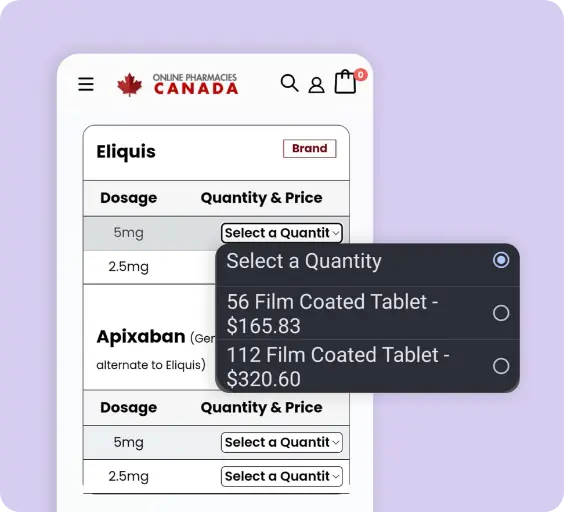
Select the prescribed dosage

Select the quantity to see the price.

  *  
Prescription Prescription Required FormationFormulation: Capsule

Clindamycin Hcl

(Generic Alternative)

Select the prescribed dosage

Select the quantity to see the price.

  *  
delivery

* This price includes a dispensing fee, medical review fee, and packing fee.

delivery

Shipped and delivered directly to your doorstep

Cleocin (active ingredient: clindamycin) is a prescription antibiotic used to treat a variety of bacterial infections caused by susceptible bacteria. It helps stop the growth of bacteria and allows the body’s immune system to eliminate the infection.

Cleocin is only effective against bacterial infections and should not be used to treat viral illnesses such as the common cold, flu, or most sore throats caused by viruses.

What Is Cleocin Used For?

Cleocin may be prescribed to treat a wide range of bacterial infections, including:

Skin and Soft Tissue Infections

Cleocin is commonly used to treat bacterial infections affecting the skin and underlying tissues, such as:

  • Cellulitis
  • Infected wounds
  • Skin abscesses
  • Other soft tissue infections

These infections may cause redness, swelling, warmth, pain, and drainage.

Respiratory Tract Infections

Cleocin may be used to treat certain bacterial infections of the respiratory tract, including:

  • Pneumonia
  • Lung infections
  • Other susceptible respiratory infections

Treatment can help reduce symptoms such as cough, fever, and difficulty breathing caused by bacterial infection.

Intra-Abdominal Infections

Cleocin may be prescribed as part of the treatment plan for infections occurring within the abdominal cavity, often in combination with other antibiotics when appropriate.

Pelvic Infections

Clindamycin may be used to treat certain bacterial infections involving the female reproductive organs and pelvic area.

Bone and Joint Infections

Cleocin is also used to treat bacterial infections affecting bones and joints, including:

  • Osteomyelitis (bone infection)
  • Certain joint infections

These infections often require longer courses of antibiotic treatment and close medical supervision.

Infections Caused by Staphylococci and Streptococci

Cleocin is effective against many susceptible strains of:

  • Staphylococcus bacteria
  • Streptococcus bacteria

These organisms are common causes of skin, soft tissue, respiratory, and other bacterial infections.

How Does Cleocin Work?

Cleocin belongs to a class of medications known as lincosamide antibiotics.

It works by interfering with the bacteria’s ability to produce proteins that are essential for growth and survival.

By blocking bacterial protein synthesis, clindamycin:

  • Stops bacteria from multiplying
  • Slows the spread of infection
  • Helps the immune system eliminate the bacteria

Depending on the concentration of the medication and the type of bacteria involved, Cleocin may act as either:

  • A bacteriostatic antibiotic, which stops bacterial growth, or
  • A bactericidal antibiotic, which kills bacteria directly

Benefits of Cleocin

When used as prescribed, Cleocin may help:

  • Treat a variety of bacterial infections
  • Reduce infection-related symptoms
  • Prevent the spread of infection
  • Promote healing and recovery
  • Eliminate susceptible bacteria from the body

Important Reminder

To help ensure successful treatment:

  • Take Cleocin exactly as prescribed.
  • Complete the full course of therapy.
  • Do not skip doses.
  • Do not stop treatment early, even if you begin to feel better.

Stopping antibiotics too soon may allow the infection to return and can contribute to antibiotic resistance.

Cleocin is available as an oral capsule that may be taken with or without food. It is typically taken every 6 hours (four times daily), although your healthcare provider may prescribe a different schedule depending on the type and severity of your infection.

To help prevent irritation of the throat and esophagus, take each dose with a full glass of water (8 ounces or 240 mL). After taking the medication, remain upright and avoid lying down for at least 10 minutes.

Take Cleocin exactly as prescribed and continue taking it for the full course of treatment, even if you begin to feel better. Stopping treatment too early may allow the infection to return and increase the risk of antibiotic resistance.

Recommended Dosage

The appropriate dose of Cleocin depends on the type and severity of the infection, your age, and other individual factors.

Adults

For most infections, the typical adult dosage is:

  • 150 mg to 300 mg every 6 hours

For more severe infections, the dosage may be increased to:

  • 300 mg to 450 mg every 6 hours

Your healthcare provider will determine the most appropriate dose based on your specific condition.

Children

For children, dosing is based on body weight.

For mild to moderate infections, the usual dosage is:

  • 8 mg/kg to 16 mg/kg per day, divided into 3 or 4 equal doses

For more severe infections, the usual dosage is:

  • 16 mg/kg to 20 mg/kg per day, divided into 3 or 4 equal doses

Your child’s healthcare provider will calculate the correct dose based on their weight and medical condition.

Important Dosing Tips

  • Take Cleocin exactly as prescribed.
  • Take each dose with a full glass of water.
  • Do not lie down for at least 10 minutes after taking a dose.
  • Take the medication at evenly spaced intervals.
  • Complete the full prescribed course of treatment.
  • Do not skip doses, even if you start feeling better.

If you have any questions about your dosage or how to take Cleocin, consult your healthcare provider or pharmacist for guidance.

Serious Side Effects of Clindamycin Including:

  • Any changes in bowel habits
  • Diarrhea that is watery or bloody
  • Little or no urination
  • Metallic taste in your mouth (after injecting clindamycin)
  • Severe stomach pain
  • Yellowing of the skin or eyes
  • Difficulty breathing or swallowing

Common Side Effects of Clindam (Clindamycin) Include:

  • Heartburn
  • Joint pain
  • Mild skin rash and
  • Nausea
  • Pain when swallowing
  • Stomach pain
  • Thick, white vaginal discharge
  • Unpleasant or metallic taste in the mouth
  • Vaginal itching or discharge
  • Vomiting
  • White patches in the mouth

Cleocin (Clindamycin Hcl) is available in the following forms and strengths.

Cleocin: Capsule

  • 150 mg
  • 300 mg

Clindamycin Hcl: Capsule

  • 150 mg
  • 300 mg

Before taking Cleocin, tell your healthcare provider about your complete medical history and any medications you are currently taking. This will help ensure that the medication is safe and appropriate for you.

Pregnancy

If you are pregnant, planning to become pregnant, or think you may be pregnant, discuss the potential risks and benefits of clindamycin with your healthcare provider before starting treatment.

Some medications can affect an unborn baby, so it is important to carefully review your treatment options with your healthcare provider. Always follow the instructions provided with your medication and read the Medication Guide for important safety information and potential side effects.

Breastfeeding

Clindamycin can pass into breast milk and may affect a nursing infant.

If you are breastfeeding while taking clindamycin, contact your healthcare provider if your baby develops any of the following symptoms:

  • Diaper rash
  • Redness in the mouth
  • White patches in the mouth or throat
  • Stomach discomfort
  • Watery diarrhea
  • Bloody diarrhea

Your healthcare provider can help determine whether treatment should be continued and whether additional monitoring is needed.

Vaccines and Immunizations

Before receiving any vaccinations or immunizations, tell your healthcare provider that you are taking clindamycin.

Clindamycin may reduce the effectiveness of certain live bacterial vaccines, which could affect how well the vaccine works. In some cases, vaccination may need to be delayed until your antibiotic treatment is complete.

Always consult your healthcare provider before receiving any vaccines while taking clindamycin.

Medical Conditions to Discuss With Your Healthcare Provider

Before taking clindamycin, inform your healthcare provider if you have a history of:

  • Liver disease
  • Kidney disease
  • Colitis
  • Antibiotic-associated diarrhea
  • Clostridioides difficile (C. difficile) infection
  • Asthma
  • Hay fever
  • Eczema
  • Other allergic conditions

These conditions may increase your risk of certain side effects or require additional monitoring during treatment.

When to Contact Your Healthcare Provider

Contact your healthcare provider promptly if you experience:

  • Severe or persistent diarrhea
  • Signs of an allergic reaction
  • Unusual stomach pain or cramping
  • Symptoms of liver problems
  • Symptoms in a breastfed infant, such as diarrhea or oral thrush

Providing your healthcare provider with a complete medical history can help ensure that Cleocin is used safely and effectively.

How Quickly Does Clindamycin Work for a Skin Condition?

When clindamycin is used to treat acne or other skin conditions, improvement may not be immediate. While some people notice changes within a few weeks, it can take 8 to 12 weeks to see the full benefits of treatment. If your healthcare provider has prescribed additional topical acne medications, it is generally recommended to apply them at different times to help reduce irritation and maximize effectiveness. Follow your healthcare provider’s instructions for the best results.

Is Clindamycin Safe to Use During Pregnancy?

Clindamycin is generally considered safe for use during pregnancy when prescribed by a healthcare provider. However, you should always discuss the potential risks and benefits of any medication with your healthcare provider before taking it during pregnancy. If you are pregnant, planning to become pregnant, or think you may be pregnant, consult your healthcare provider before starting treatment.

Are There Any Drug Interactions With Clindamycin?

Yes. Clindamycin may interact with certain prescription medications, over-the-counter products, vitamins, herbal supplements, and other treatments. Before starting clindamycin, tell your healthcare provider about all medications and supplements you use. This helps identify potential interactions and reduces the risk of unwanted side effects. Do not start, stop, or change any medications without consulting your healthcare provider.

How Long Do the Side Effects of Clindamycin Last?

Some side effects of clindamycin may be temporary and can improve as your body adjusts to the medication. Depending on the type of side effect, symptoms may last anywhere from a few days to several weeks. If side effects persist for an extended period, become bothersome, worsen over time, or interfere with your daily activities, contact your healthcare provider or pharmacist for guidance. Seek immediate medical attention if you experience severe side effects, such as signs of a serious allergic reaction or severe diarrhea, as these may require prompt medical treatment.

REVIEWS

Additional Information Book
Generic name:

Clindamycin Hcl

Formulation:

Capsule

Strength(s):

150mg, 300mg

Quantities Available:

100

Why customers love Online Pharmacies Canada

Our online Canadian Pharmacy is known for high standards of quality, safety, and efficiency when it comes to medications.

Our pharmacy offers lower prices on prescription drugs compared to traditional pharmacies.

How to Order

How much Cleocin can I order at once from a Canadian pharmacy?

When ordering Cleocin (clindamycin) from a Canadian pharmacy, you can typically purchase up to a 90-day supply at one time. This is common for prescription medications to ensure patients have an adequate quantity for their treatment without needing frequent refills.

Here’s what you need to know:

Dosage and Quantity: Cleocin is available in 150 mg and 300 mg strengths. The exact quantity will depend on your prescribed daily dose. For example:

If you are prescribed to take 300 mg twice a day, for a 90-day supply, you would order 180 capsules (90 days x 2 capsules per day).

Do you sell clindamycin?

Yes, we sell clindamycin on our website. You can enjoy competitive prices for this medication. However, please note that you will need a valid prescription from your healthcare provider to purchase clindamycin from us. We require a prescription to dispense the medication safely and legally. You can conveniently provide your prescription by mailing, faxing, or uploading it through your online account on our website.

Do you offer shipping of Cleocin (clindamycin) to the United States?

Yes, we ship Cleocin (clindamycin) to both the United States and Puerto Rico.

Discover Our Users' Stories!

Watch how Online Pharmacies Canada is helping customers save money on their medications.

Online Pharmacies Canada Customer Testimonial #4
Online Pharmacies Canada Customer Testimonial #1
Online Pharmacies Canada - Customer Testimonial #2

Online Pharmacies Canada has provided information from third parties intended to increase awareness and does not contain all the information about Cleocin (Clindamycin Hcl). Talk to your doctor or other qualified medical practitioners for medical attention or advice, or if you have any concerns about Cleocin (Clindamycin Hcl).