Keppra XR (Levetiracetam) Shopper Approved

Prescription Prescription Required FormationFormulation: ER Tablet

Keppra XR

(Brand Option)

Select the prescribed dosage

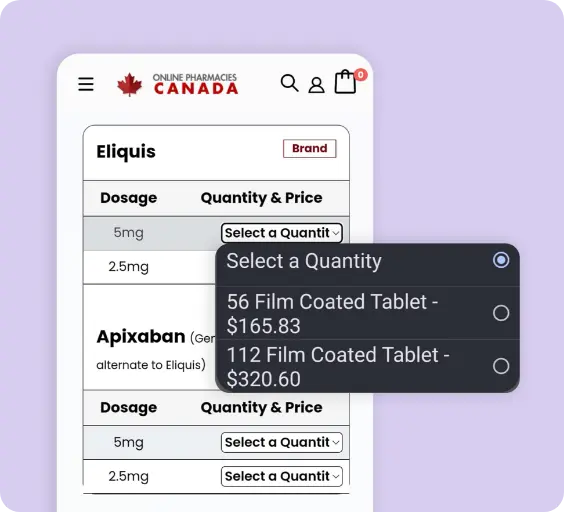
Select the quantity to see the price.

  *  
Prescription Prescription Required FormationFormulation: ER Tablet

Levetiracetam

(Generic Alternative)

Select the prescribed dosage

Select the quantity to see the price.

  *  
delivery

* This price includes a dispensing fee, medical review fee, and packing fee.

delivery

Shipped and delivered directly to your doorstep

Keppra XR (levetiracetam) is a prescription medication used to treat partial-onset seizures, also called focal seizures, in people with epilepsy.

Keppra XR contains levetiracetam, an active ingredient belonging to a class of medications called anticonvulsants or antiepileptic drugs.

Anticonvulsants help reduce abnormal electrical activity in the brain that can trigger seizures.

Epilepsy is a neurological condition characterized by repeated seizures caused by sudden bursts of abnormal electrical signals between nerve cells.

These seizures can affect movement, awareness, sensation, or behavior, depending on the areas of the brain involved.

Keppra XR is an extended-release formulation of levetiracetam. It is designed to release medication gradually throughout the day, helping maintain consistent drug levels in the bloodstream.

Unlike immediate-release Keppra, which is typically taken twice daily, Keppra XR is usually taken once daily.

According to U.S. prescribing information, Keppra XR is approved to treat partial-onset seizures in adults and adolescents aged 12 years and older.

However, it is important to distinguish Keppra XR from immediate-release Keppra because the two formulations have different approved indications.

Treatment of Partial-Onset Seizures (Focal Seizures)

Keppra XR is primarily used to treat partial-onset seizures, now commonly called focal seizures.

Focal seizures begin in a specific area of the brain rather than affecting both sides of the brain at the same time.

During a focal seizure, abnormal electrical activity temporarily interferes with normal brain function.

The symptoms depend on which part of the brain is affected.

Some people remain fully aware during a seizure, while others experience changes in awareness or consciousness.

Common symptoms may include:

  • Uncontrolled Muscle Movements: Repeated jerking or twitching of an arm, leg, or part of the face.
  • Unusual Sensations: Tingling, numbness, or a sudden feeling of warmth.
  • Changes in Awareness: Difficulty responding to people or understanding surroundings.
  • Staring Episodes: Brief periods of staring or reduced responsiveness.
  • Unusual Smells or Tastes: Sensing something that is not actually present.
  • Sudden Fear or Confusion: Unexpected changes in emotions or perception.
  • Repetitive Movements: Lip smacking, chewing movements, or repeatedly moving the hands.

Keppra XR helps reduce the frequency of focal seizures by influencing communication between nerve cells.

The medication does not cure epilepsy, but it may help prevent seizures and improve long-term seizure control.

Focal Aware Seizures

Focal aware seizures occur when abnormal electrical activity begins in one part of the brain without causing a loss of awareness.

During these seizures, a person remains conscious and may remember what happened.

Symptoms can include muscle twitching, unusual sensations, changes in vision, or sudden emotional experiences.

For example, someone may experience repeated jerking movements in one hand while remaining fully aware of their surroundings.

Keppra XR may help reduce the frequency of these seizures by regulating certain processes involved in nerve cell communication.

Focal Impaired Awareness Seizures

Focal impaired awareness seizures affect a person’s ability to respond normally or remain fully aware of their surroundings.

A person experiencing this type of seizure may appear confused, stare into space, or perform repetitive movements without realizing it.

Symptoms may include lip smacking, hand movements, wandering, or difficulty responding when spoken to.

After the seizure, some people experience confusion, tiredness, or difficulty remembering the event.

Keppra XR may help reduce these seizures by decreasing abnormal electrical signalling in the brain.

Focal to Bilateral Tonic-Clonic Seizures

Sometimes, a focal seizure spreads from one area of the brain to involve both sides.

When this happens, it may develop into a bilateral tonic-clonic seizure.

These seizures can cause loss of consciousness, muscle stiffening, and rhythmic jerking movements.

Keppra XR may help prevent focal seizures from progressing into more widespread seizure activity.

However, treatment effectiveness varies between individuals.

Your healthcare provider may recommend regular follow-up appointments and seizure monitoring to assess how well Keppra XR is controlling your symptoms.

Keppra XR and Myoclonic Seizures

Myoclonic seizures cause sudden, brief muscle jerks that may affect the arms, shoulders, or other parts of the body.

These movements can resemble an unexpected electric shock or a sudden muscle twitch.

Some people experience a single jerk, while others have several movements close together.

Myoclonic seizures may occur in people with juvenile myoclonic epilepsy, a type of generalized epilepsy that often begins during adolescence.

Common symptoms include:

  • Sudden Muscle Jerks: Brief, involuntary movements affecting the arms or shoulders.
  • Dropping Objects: Unexpected muscle movements that may cause someone to lose their grip.
  • Morning Seizures: Muscle jerks that commonly occur shortly after waking.
  • Repeated Twitching: Several brief jerks occurring close together.

Immediate-release Keppra is approved in the United States as an additional treatment for myoclonic seizures in patients aged 12 years and older with juvenile myoclonic epilepsy.

However, Keppra XR is not specifically approved for treating myoclonic seizures under its U.S. prescribing information.

Although both formulations contain levetiracetam, they release the medication differently and do not share all the same approved uses.

Your healthcare provider may consider other formulations or treatments depending on the type of epilepsy you have.

Keppra XR and Primary Generalized Tonic-Clonic Seizures

Primary generalized tonic-clonic seizures begin with abnormal electrical activity involving both sides of the brain.

These seizures typically cause loss of consciousness, muscle stiffening, and repeated jerking movements.

They are sometimes referred to as grand mal seizures, although generalized tonic-clonic seizure is the preferred medical term.

The seizure usually involves two phases.

Tonic Phase

During the tonic phase, muscles suddenly become stiff.

A person may lose consciousness, fall, or experience temporary changes in breathing.

Clonic Phase

During the clonic phase, muscles begin contracting and relaxing repeatedly.

This produces rhythmic jerking movements involving the arms, legs, or other parts of the body.

After the seizure, a person may feel extremely tired, confused, or sore.

Immediate-release Keppra is approved as an additional treatment for primary generalized tonic-clonic seizures in patients aged six years and older with idiopathic generalized epilepsy.

However, Keppra XR is not specifically approved for this indication in the United States.

This distinction is important because the approved uses of immediate-release Keppra should not automatically be applied to Keppra XR.

Your healthcare provider will select an appropriate medication and formulation based on your seizure type, age, and medical history. 

How Does Keppra XR Work?

Keppra XR contains levetiracetam, an anticonvulsant medication that helps reduce abnormal electrical activity associated with seizures.

The brain contains billions of nerve cells called neurons.

These cells communicate through electrical signals and chemical messengers known as neurotransmitters.

Under normal conditions, communication between neurons occurs in a controlled and coordinated manner.

During a seizure, groups of nerve cells produce excessive or abnormal electrical signals.

This can interfere with normal brain function and cause symptoms such as muscle jerking, changes in awareness, or loss of consciousness.

Keppra XR helps reduce seizure activity by affecting specific processes involved in communication between nerve cells.

Binds to Synaptic Vesicle Protein 2A (SV2A)

Levetiracetam binds to a protein called synaptic vesicle protein 2A, commonly known as SV2A.

This protein is found in nerve cells and helps regulate the release of neurotransmitters.

Neurotransmitters are chemical messengers that allow nerve cells to communicate with one another.

By binding to SV2A, levetiracetam appears to influence neurotransmitter release and help regulate excessive nerve cell signaling.

This may reduce the likelihood of abnormal electrical activity spreading through the brain.

Although SV2A binding is considered an important part of levetiracetam’s action, the exact way it prevents seizures is not fully understood.

Helps Reduce Abnormal Electrical Activity

During a seizure, nerve cells may become excessively active and send electrical signals in an uncontrolled pattern.

Keppra XR helps reduce the occurrence of seizure activity by influencing communication between neurons.

Unlike some other anticonvulsant medications, levetiracetam does not primarily work by directly blocking sodium channels or increasing GABA activity through conventional mechanisms.

Its distinct mechanism may make it useful for certain patients who need additional seizure control.

However, the medication does not eliminate the underlying cause of epilepsy.

Continued treatment is often necessary to maintain seizure control.

Provides Extended-Release Medication Delivery

Keppra XR is specially formulated to release levetiracetam gradually after the tablet is swallowed.

This extended-release design helps maintain medication levels throughout the day.

For many patients, once-daily dosing is more convenient than taking immediate-release tablets twice daily.

However, taking the medication consistently is important because missed doses may reduce seizure protection.

Keppra XR tablets must be swallowed whole.

Do not crush, chew, or break the tablets, as this may interfere with the extended-release mechanism.

How Long Does Keppra XR Take to Work?

Keppra XR begins releasing levetiracetam after the tablet is taken, but the time needed to achieve effective seizure control varies.

Levetiracetam is absorbed into the bloodstream and begins acting on processes involved in nerve cell communication.

With regular dosing, medication levels generally reach a steady state after approximately two days in adults with normal kidney function.

However, this does not mean that every patient will experience complete seizure control within two days.

Some people may notice fewer seizures shortly after starting treatment, while others may require several weeks of monitoring or dosage adjustments.

Your healthcare provider may gradually increase the dose depending on your seizure frequency, response to treatment, and side effects.

Keeping a seizure diary may help you and your healthcare provider assess treatment effectiveness.

Record when seizures occur, how long they last, and any possible triggers or changes in symptoms.

Do not increase your dose if seizures continue without first consulting your healthcare provider.

Important Information About Keppra XR

Keppra XR is usually taken once daily and should be swallowed whole with water.

Your healthcare provider will determine the appropriate dosage based on your age, kidney function, and response to treatment.

Common side effects may include sleepiness, dizziness, fatigue, and irritability.

Some people may also experience mood or behavioral changes, including increased agitation, aggression, depression, or unusual thoughts.

Tell your healthcare provider promptly if you or someone close to you notices significant changes in mood or behavior.

Levetiracetam is primarily eliminated through the kidneys, so people with reduced kidney function may require dosage adjustments.

Do not stop taking Keppra XR suddenly. Abrupt discontinuation may increase seizure frequency and, in some cases, contribute to prolonged or repeated seizures.

Keppra XR is an extended-release anticonvulsant primarily approved for treating focal seizures in people aged 12 years and older. Its once-daily formulation helps maintain medication levels, while its action on SV2A proteins helps reduce abnormal seizure-related nerve signaling.

Keppra XR is a prescription anticonvulsant medication used to help control partial-onset seizures, also called focal seizures, in people with epilepsy.

Keppra XR is an extended-release formulation of levetiracetam. It is designed to release the medication gradually throughout the day, helping maintain consistent medication levels in the bloodstream.

Unlike immediate-release Keppra, which is usually taken twice daily, Keppra XR is taken once daily.

You can take Keppra XR with or without food. However, you should swallow the tablet whole with water.

Do not crush, chew, or break the tablet because doing so may interfere with how the medication is released.

Your healthcare provider will determine the appropriate dosage based on your age, kidney function, seizure frequency, and response to treatment.

How to Take Keppra XR Tablets

Follow these instructions to take Keppra XR correctly and safely:

  1. Follow Your Prescribed Dosage: Take Keppra XR exactly as directed by your healthcare provider. Do not increase or decrease the amount without medical advice.
  2. Take Keppra XR Once Daily: The medication is usually taken once every 24 hours. Follow the specific timing recommended by your healthcare provider.
  3. Take With or Without Food: You may take Keppra XR with meals or on an empty stomach. Choose a routine that makes it easier to remember your medication.
  4. Swallow the Tablet Whole: Take the extended-release tablet with a glass of water. Do not crush, split, or chew it.
  5. Take It at the Same Time Each Day: Consistent dosing helps maintain medication levels and supports ongoing seizure control.
  6. Follow Your Treatment Schedule: Continue taking Keppra XR regularly, even if you have not experienced a seizure recently.
  7. Monitor Your Seizures: Keep track of seizure frequency, duration, and possible triggers. Share this information with your healthcare provider.
  8. Watch for Side Effects: Tell your healthcare provider if you experience unusual sleepiness, dizziness, fatigue, irritability, or changes in mood or behaviour.
  9. Attend Follow-Up Appointments: Your healthcare provider may assess your kidney function and seizure control to determine whether your dosage needs adjustment.
  10. Do Not Stop Treatment Suddenly: Abruptly discontinuing Keppra XR may increase seizure frequency or cause more serious seizure-related complications.

If you have difficulty swallowing the tablet whole, ask your healthcare provider about other levetiracetam formulations that may be more suitable.

Recommended Dosage of Keppra XR

The recommended dosage depends on your age, kidney function, and response to treatment.

For adults and adolescents aged 12 years and older, the usual starting dosage is 1,000 mg once daily.

Your healthcare provider may gradually increase the dosage if additional seizure control is needed.

Dosage information General recommendation
Starting dosage 1,000 mg once daily
Dosage adjustment May increase by 1,000 mg daily at two-week intervals
Maximum recommended dosage 3,000 mg once daily
Administration Swallow tablets whole with water
Food requirements With or without food
Kidney impairment Lower doses may be required

The maximum recommended dosage is generally 3,000 mg once daily.

Your healthcare provider may recommend a lower starting dosage or a different treatment schedule if you have reduced kidney function.

Unlike some immediate-release levetiracetam formulations, Keppra XR is not routinely dosed according to body weight in children. Its U.S. prescribing information provides dosing recommendations for people aged 12 years and older.

Children younger than 12 may require a different levetiracetam formulation.

These dosage ranges are provided for general information only. Always follow your individual prescription.

Why Must Keppra XR Tablets Be Swallowed Whole?

Keppra XR tablets are designed to release levetiracetam gradually over an extended period.

The extended-release formulation helps maintain medication levels throughout the day, allowing once-daily administration.

Crushing, chewing, or breaking the tablets may interfere with this release mechanism.

This can affect how the medication enters your bloodstream and may increase the risk of side effects or reduce consistent seizure control.

For this reason, swallow Keppra XR tablets whole.

Do not divide the tablets to adjust your dosage.

If your prescribed dose changes, your healthcare provider may recommend a different tablet strength or number of whole tablets.

If you cannot swallow Keppra XR tablets, ask your healthcare provider whether another formulation of levetiracetam would be more appropriate.

Can Keppra XR Be Taken With Food?

Yes, Keppra XR can be taken with or without food.

Food may change how quickly levetiracetam reaches its highest concentration in the bloodstream, but it does not substantially reduce the total amount absorbed.

You can take the medication with breakfast, dinner, or at another consistent time of day.

Some people prefer taking it with food if they experience mild stomach discomfort.

The most important consideration is maintaining a regular dosing schedule.

If Keppra XR makes you sleepy or dizzy, discuss the timing of your medication with your healthcare provider.

Do not change your dosing schedule without medical advice.

Why Is It Important to Take Keppra XR Regularly?

Taking Keppra XR consistently helps maintain its anticonvulsant effects.

Epilepsy occurs when abnormal electrical activity in the brain causes repeated seizures.

Levetiracetam helps reduce seizure activity by binding to synaptic vesicle protein 2A (SV2A), a protein involved in communication between nerve cells.

This action helps regulate certain processes associated with abnormal electrical signaling.

Keppra XR does not permanently cure epilepsy. Instead, it helps reduce the likelihood of seizures while treatment continues.

If you frequently miss doses or stop taking the medication, levetiracetam levels may decrease, potentially increasing the risk of seizures.

Continue taking Keppra XR even if your seizures have become less frequent or have stopped.

Use a medication reminder, calendar, or consistent daily routine if you have difficulty remembering your doses.

What Should I Do If I Miss a Dose of Keppra XR?

If you forget a dose of Keppra XR, follow the missed-dose instructions provided by your healthcare provider or pharmacist.

The appropriate action may depend on how long it has been since your scheduled dose and how close you are to your next dose.

Generally, take the missed dose when you remember unless it is almost time for your next scheduled dose.

If your next dose is approaching, skip the missed dose and continue with your regular schedule.

Do not take two doses together to make up for a missed dose.

Taking extra levetiracetam may increase the risk of dizziness, excessive sleepiness, confusion, and other side effects.

If you miss multiple doses or experience a seizure after missing medication, contact your healthcare provider promptly.

Because missed anticonvulsant doses can increase seizure risk, ask your pharmacist for specific instructions if you are unsure what to do.

Can I Stop Taking Keppra XR Suddenly?

No. Do not stop taking Keppra XR suddenly without consulting your healthcare provider.

Keppra XR helps control seizures by reducing abnormal electrical activity in the brain.

If you abruptly discontinue treatment, your seizure frequency may increase.

In some cases, sudden withdrawal of anticonvulsant medication may contribute to prolonged or repeated seizures.

A prolonged seizure or repeated seizures without recovery can develop into status epilepticus, a medical emergency.

If Keppra XR needs to be discontinued, your healthcare provider will usually recommend gradually reducing the dosage.

The appropriate reduction schedule depends on your current dose, seizure history, kidney function, and other epilepsy medications.

In rare circumstances, a serious medication reaction may require more rapid discontinuation under medical supervision.

Do not reduce your dosage, skip doses intentionally, or stop treatment simply because your seizures have improved.

How Long Does Keppra XR Take to Work?

Keppra XR begins releasing levetiracetam after you take the tablet.

The medication is absorbed into the bloodstream and starts affecting the processes involved in seizure activity.

In adults with normal kidney function, levetiracetam generally reaches steady-state blood concentrations after approximately two days of consistent dosing.

However, this does not mean everyone will achieve complete seizure control within two days.

Some people may notice a reduction in seizures soon after starting treatment, while others require several weeks of monitoring or dosage adjustments.

Your healthcare provider may gradually increase the dosage every two weeks if additional seizure control is needed.

Keeping a seizure diary can help determine how well the medication is working.

Record the date, time, duration, and symptoms of each seizure, along with any possible triggers.

Share this information during follow-up appointments so your healthcare provider can evaluate your treatment.

Important Precautions While Taking Keppra XR

Keppra XR may cause sleepiness, dizziness, fatigue, or coordination difficulties, particularly when treatment begins or the dosage increases.

Avoid driving, operating heavy machinery, or performing activities that require full alertness until you know how the medication affects you.

Some patients may also experience changes in mood or behavior, including irritability, aggression, agitation, depression, or unusual thoughts.

Contact your healthcare provider promptly if you or someone close to you notices significant behavioral changes.

Levetiracetam is primarily eliminated through the kidneys. People with reduced kidney function may require lower doses to prevent excessive medication accumulation.

Your healthcare provider may recommend kidney function tests before or during treatment.

When to Contact Your Healthcare Provider

Contact your healthcare provider if you experience persistent dizziness, unusual fatigue, worsening seizures, coordination problems, or changes in mood or behavior.

Tell your healthcare provider if you have kidney disease, take other anticonvulsant medications, or experience new symptoms after starting Keppra XR.

Seek emergency medical attention if you experience a seizure lasting five minutes or longer, repeated seizures without recovery, difficulty breathing, or a severe allergic reaction.

Keppra XR helps control focal seizures when taken consistently as prescribed. Swallowing the extended-release tablets whole, maintaining a regular dosing schedule, monitoring seizure activity, and avoiding abrupt discontinuation can help support effective and safer epilepsy treatment.

Common Side Effects of Keppra XR (Levetiracetam):

Serious Side Effects of Keppra XR (Levetiracetam):

Keppra XR (levetiracetam) is available in the following forms and strength:

Keppra XR: ER Tablet

  • 750 mg

Levetiracetam: ER Tablet

  • 500 mg
  • 750 mg

Before taking Keppra XR, tell your healthcare provider about any medical conditions, allergies, or medications you are taking.

Keppra XR is a prescription anticonvulsant medication used to treat partial-onset seizures, also called focal seizures, in people aged 12 years and older with epilepsy.

It contains levetiracetam, an active ingredient that helps reduce abnormal electrical activity in the brain. The medication works partly by binding to a protein called synaptic vesicle protein 2A (SV2A), which is involved in communication between nerve cells.

Although Keppra XR can help control seizures, it may cause side effects involving mood, behaviour, alertness, coordination, and other body functions.

Some people may also develop serious allergic reactions or skin conditions that require immediate medical attention.

Your healthcare provider will review your medical history, kidney function, seizure frequency, and other medications before recommending treatment.

Allergic Reactions and Hypersensitivity

Do not take Keppra XR if you have a known allergy to levetiracetam or any other ingredient in the medication.

An allergic reaction occurs when the immune system reacts abnormally to a medication or another substance.

Allergic reactions to levetiracetam may range from mild skin symptoms to severe, potentially life-threatening reactions.

Possible symptoms include:

  • Skin Rash: Red, irritated, or itchy patches that develop on the skin.
  • Hives: Raised, itchy bumps that may appear suddenly.
  • Facial Swelling: Swelling around the eyes, lips, or face.
  • Tongue or Throat Swelling: Swelling that may interfere with swallowing or breathing.
  • Difficulty Breathing: Shortness of breath, wheezing, or throat tightness.
  • Dizziness or Fainting: Symptoms that may occur during a severe allergic reaction.

Keppra XR has been associated with serious allergic reactions, including anaphylaxis and angioedema.

Angioedema is swelling that develops beneath the skin, often around the lips, tongue, face, or throat.

Anaphylaxis is a severe allergic reaction that may affect breathing, blood pressure, and circulation.

Stop taking Keppra XR and seek emergency medical attention if you develop difficulty breathing, swelling of the tongue or throat, or symptoms of anaphylaxis.

Tell your healthcare provider if you have previously experienced an allergic reaction to levetiracetam or a related medication, including brivaracetam.

Mood Changes and Behavioral Problems

Keppra XR may cause changes in mood or behavior in some people.

Although levetiracetam helps regulate certain processes involved in nerve cell communication, it may also affect how some individuals feel, think, or respond to situations.

Behavioural changes have been reported in people taking levetiracetam, including irritability, aggression, agitation, and unusual emotional reactions.

Possible symptoms include:

  • Irritability: Becoming frustrated or upset more easily than usual.
  • Anger: Experiencing unusual or frequent episodes of anger.
  • Aggressive Behavior: Acting in ways that are unusually hostile or confrontational.
  • Anxiety: Feeling excessively worried, nervous, or restless.
  • Depression: Experiencing persistent sadness, low mood, or loss of interest in activities.
  • Agitation: Feeling unusually restless or unable to remain calm.
  • Mood Swings: Sudden changes in emotional state.
  • Sleep Problems: Difficulty sleeping or changes in normal sleep patterns.

These effects may develop after starting Keppra XR or following an increase in dosage.

Some changes may be mild, while others can interfere with relationships, work, school, or everyday activities.

Family members or caregivers may notice behavioral changes before the person taking the medication recognizes them.

Tell your healthcare provider if you have a history of depression, anxiety, behavioral problems, or other psychiatric conditions.

Contact your healthcare provider promptly if you or someone close to you notices significant changes in mood or behavior.

Your healthcare provider may recommend additional monitoring, dosage adjustments, or another anticonvulsant medication if necessary.

Do not stop taking Keppra XR suddenly because of mood changes without receiving medical guidance, unless emergency care is needed for a serious reaction.

Suicidal Thoughts and Behavior

Anticonvulsant medications, including Keppra XR, may increase the risk of suicidal thoughts or behavior in a small number of patients.

This warning applies to antiepileptic medications used for epilepsy and certain other conditions.

Clinical studies involving several anticonvulsant medications identified a slightly increased risk of suicidal thoughts or behavior compared with placebo.

Although the overall risk was low, these symptoms require serious attention.

Possible warning signs include:

  • New or Worsening Depression: Persistent sadness, hopelessness, or loss of interest in normal activities.
  • Thoughts of Self-Harm: Thinking about hurting yourself.
  • Suicidal Thoughts: Thinking about ending your life.
  • Unusual Behavior Changes: Acting differently from normal in ways that cause concern.
  • Severe Agitation: Intense restlessness or emotional distress.
  • Increased Anxiety: Sudden or worsening feelings of fear or nervousness.
  • Social Withdrawal: Avoiding family, friends, or normal activities.
  • Significant Mood Changes: Sudden emotional changes that are difficult to explain.

These symptoms can develop at different times during treatment.

Tell your healthcare provider if you have a history of depression, self-harm, or suicidal thoughts before starting Keppra XR.

You and those close to you should remain alert for new or worsening mood or behavioral changes.

Contact your healthcare provider immediately if you develop thoughts of self-harm or suicide.

If you feel unable to keep yourself safe or believe you may act on suicidal thoughts, seek emergency medical attention or call your local emergency number.

Your healthcare provider will determine whether your treatment needs to be changed while maintaining appropriate seizure protection. 

Kidney Disease and Renal Impairment

Keppra XR should be used with caution in people with kidney disease or reduced kidney function.

The kidneys play an important role in removing levetiracetam from the body.

Most levetiracetam is eliminated through the kidneys, largely without being changed into another substance.

When kidney function decreases, the medication may remain in the bloodstream longer.

This can increase medication exposure and the likelihood of certain side effects.

People with reduced kidney function may require lower doses of Keppra XR.

Your healthcare provider may assess kidney function using blood tests, including serum creatinine and an estimated glomerular filtration rate (eGFR).

Possible symptoms of reduced kidney function include:

  • Changes in Urination: Producing less urine or noticing changes in urination.
  • Swelling: Fluid buildup in the feet, ankles, or hands.
  • Fatigue: Persistent tiredness or weakness.
  • Nausea: Ongoing stomach discomfort.
  • Reduced Appetite: A decreased desire to eat.

However, kidney disease may develop without noticeable symptoms.

Tell your healthcare provider if you have kidney disease, reduced kidney function, or receive dialysis.

Your healthcare provider will determine the appropriate dosage based on your kidney function and seizure control.

Do not reduce or increase your Keppra XR dosage without medical advice.

Drowsiness, Fatigue, and Reduced Alertness

Keppra XR may cause sleepiness, dizziness, and fatigue, particularly when treatment begins or the dosage increases.

These effects can interfere with concentration, reaction time, and the ability to perform certain activities safely.

Common symptoms include:

  • Drowsiness: Feeling unusually sleepy during the day.
  • Fatigue: Persistent tiredness or reduced energy.
  • Dizziness: Feeling lightheaded or unsteady.
  • Difficulty Concentrating: Problems focusing on tasks.
  • Slower Reactions: Taking longer than usual to respond to situations.
  • Reduced Alertness: Difficulty remaining fully attentive.

Some people experience these effects during the first few weeks of treatment.

For others, symptoms may improve as the body adjusts to the medication.

However, persistent or severe drowsiness should be evaluated by your healthcare provider.

Avoid driving, operating heavy machinery, or performing potentially dangerous activities until you understand how Keppra XR affects you.

Alcohol and other sedating medications may worsen dizziness, sleepiness, or reduced coordination.

Contact your healthcare provider if these side effects interfere with your daily activities.

Coordination Problems and Difficulty Walking

Levetiracetam may occasionally cause problems with balance, walking, or muscle coordination.

These symptoms may make it more difficult to perform activities that require controlled movements.

Possible effects include:

  • Unsteady Walking: Difficulty maintaining normal balance.
  • Poor Coordination: Trouble controlling movements accurately.
  • Dizziness: Feeling unsteady or off-balance.
  • Clumsiness: Dropping objects or having difficulty with precise movements.
  • Increased Risk of Falls: Losing balance more easily than usual.

Coordination difficulties may be more noticeable when treatment begins or after a dosage increase.

The risk may also be greater if you take other medications that cause dizziness or affect coordination.

Tell your healthcare provider if you develop new balance problems, unusual clumsiness, or difficulty walking.

Seek urgent medical attention if these symptoms appear suddenly or occur with severe weakness, speech problems, or loss of consciousness.

Medication Interactions

Keppra XR may interact with certain medications, supplements, and substances that affect the central nervous system.

Unlike some anticonvulsant medications, levetiracetam has relatively few clinically significant interactions involving liver enzymes.

This is partly because levetiracetam is not extensively metabolized by the liver.

However, combining Keppra XR with medications that cause drowsiness or dizziness may increase certain side effects.

Important considerations include:

  • Other Anticonvulsant Medications: Your healthcare provider may prescribe Keppra XR alongside other epilepsy medications. Some combinations may increase dizziness, fatigue, or coordination problems.
  • Sedating Antihistamines: Medications such as diphenhydramine may increase drowsiness.
  • Sleeping Medications: Certain sleep aids and sedatives may increase reduced alertness.
  • Opioid Pain Medications: Combining opioids with Keppra XR may increase sleepiness and dizziness.
  • Alcohol: Drinking alcohol may worsen sedation, balance problems, and impaired coordination.
  • Herbal Supplements: Certain supplements may cause sedation or affect seizure control.

Tell your healthcare provider about all prescription medications, over-the-counter drugs, vitamins, and herbal products you take.

Your healthcare provider or pharmacist can review possible interactions and determine whether adjustments are necessary.

Do not start, stop, or change another anticonvulsant medication without medical advice.

Pregnancy and Seizure Control

Tell your healthcare provider if you are pregnant, planning to become pregnant, or think you may be pregnant before taking Keppra XR.

Managing epilepsy during pregnancy requires careful medical supervision.

Uncontrolled seizures can pose serious risks to both the pregnant person and the developing baby.

Levetiracetam has been studied during pregnancy, and available human pregnancy registry data are generally reassuring regarding the risk of major birth defects when it is used alone.

However, no medication can be considered completely risk-free during pregnancy.

Your healthcare provider will consider your seizure type, seizure frequency, medical history, and other medications when reviewing your treatment.

Changes in Levetiracetam Levels During Pregnancy

Pregnancy can affect how quickly the body eliminates levetiracetam.

As pregnancy progresses, levetiracetam concentrations in the bloodstream may decrease, particularly during the third trimester.

Lower medication levels may reduce seizure control in some patients.

Your healthcare provider may recommend monitoring seizure frequency and, when appropriate, measuring levetiracetam blood concentrations.

Some patients may require dosage adjustments during pregnancy.

After delivery, medication levels may increase again as kidney function and other body processes return toward their usual state.

Your healthcare provider may therefore reassess your dosage after childbirth.

Do not stop taking Keppra XR if you become pregnant without consulting your healthcare provider. Abrupt discontinuation may cause seizures to return or become more frequent.

Breastfeeding

Levetiracetam passes into human breast milk.

However, breastfeeding may still be possible during treatment, depending on your medical condition, prescribed dosage, and your baby’s health.

Available information suggests that many infants exposed to levetiracetam through breast milk do not experience significant complications.

Nevertheless, some infants may develop sleepiness, feeding difficulties, or other symptoms that require evaluation.

If you breastfeed while taking Keppra XR, your healthcare provider may recommend watching your baby for:

  • Unusual Sleepiness: Sleeping excessively or having difficulty waking for feeds.
  • Poor Feeding: Drinking less milk than usual.
  • Reduced Alertness: Appearing unusually tired or less responsive.
  • Poor Weight Gain: Not gaining weight as expected.

Tell your healthcare provider if you notice any concerning symptoms.

Your healthcare provider will weigh the benefits of breastfeeding against the potential risks of medication exposure.

Do not discontinue your epilepsy medication without medical advice.

Blurred Vision and Other Eye Problems

Some people taking levetiracetam have reported blurred vision, double vision, or other visual disturbances.

Blurred vision means objects appear less clear than normal.

Double vision, also called diplopia, occurs when a person sees two images of the same object.

Although vision changes are not among the most prominent side effects of Keppra XR, they may interfere with activities that require clear eyesight.

Possible symptoms include:

  • Blurred Vision: Difficulty seeing objects clearly.
  • Double Vision: Seeing two images instead of one.
  • Difficulty Focusing: Problems maintaining clear vision during normal activities.
  • Visual Discomfort: Unusual discomfort or strain affecting the eyes.

Vision changes may also occur because of seizures, other medications, or an unrelated eye condition.

Tell your healthcare provider if you develop new or persistent vision problems while taking Keppra XR.

Avoid driving or operating machinery if your eyesight is affected.

Seek urgent medical attention if you experience sudden vision loss, severe eye pain, or vision changes accompanied by severe headache, weakness, or confusion.

These symptoms may indicate a medical condition requiring immediate evaluation rather than a typical medication side effect.

Liver Problems and Liver Function

Keppra XR is not extensively metabolized by the liver, and most of the medication is eliminated through the kidneys.

For this reason, significant liver-related problems are uncommon compared with some other anticonvulsant medications.

However, rare cases of liver injury and abnormal liver function tests have been reported in people taking levetiracetam.

Possible symptoms include:

  • Jaundice: Yellowing of the skin or whites of the eyes.
  • Dark Urine: Urine becoming unusually dark.
  • Upper Abdominal Pain: Discomfort in the upper-right part of the abdomen.
  • Persistent Nausea: Ongoing stomach upset.
  • Loss of Appetite: Reduced interest in eating.
  • Unusual Fatigue: Persistent tiredness or weakness.
  • Pale Stools: Bowel movements becoming lighter than normal.

Tell your healthcare provider if you have liver disease or a history of abnormal liver function tests.

Routine liver function monitoring is not required for everyone taking Keppra XR solely because of the medication. However, your healthcare provider may recommend testing when clinically necessary.

Contact your healthcare provider promptly if you develop symptoms suggesting liver injury.

Severe liver-related symptoms may occasionally be part of a serious medication hypersensitivity reaction.

Serious Skin Reactions and DRESS Syndrome

Rarely, levetiracetam may cause serious skin reactions, including Stevens-Johnson syndrome (SJS), toxic epidermal necrolysis (TEN), and drug reaction with eosinophilia and systemic symptoms (DRESS).

These conditions are uncommon but can be life-threatening.

Stevens-Johnson Syndrome and Toxic Epidermal Necrolysis

SJS and TEN are severe reactions that damage the skin and mucous membranes.

Warning signs may include:

  • A widespread or painful skin rash.
  • Skin blisters or peeling.
  • Fever.
  • Painful sores inside the mouth.
  • Red or irritated eyes.
  • Severe skin tenderness.

These symptoms require immediate medical evaluation.

DRESS Syndrome

DRESS is a serious medication reaction that can affect the skin and internal organs.

It may develop approximately two to eight weeks after starting levetiracetam, although timing can vary.

Possible symptoms include:

  • Fever: An unexplained increase in body temperature.
  • Skin Rash: A widespread rash that may or may not be present.
  • Swollen Lymph Nodes: Enlarged or tender glands.
  • Facial Swelling: Unusual swelling around the face.
  • Liver Problems: Symptoms such as jaundice or dark urine.
  • Kidney Problems: Changes in urination or kidney function.
  • Breathing Problems: Symptoms caused by inflammation affecting the lungs.

DRESS may cause inflammation and injury involving the liver, kidneys, lungs, heart, or other organs.

Stop taking Keppra XR and seek immediate medical attention if you develop symptoms suggesting a serious skin reaction or DRESS.

Do not restart the medication after a suspected serious hypersensitivity reaction unless a specialist determines that doing so is safe. 

Stopping Keppra XR and Withdrawal Seizures

Do not stop taking Keppra XR suddenly without consulting your healthcare provider.

Keppra XR helps control seizures by affecting processes involved in communication between nerve cells.

When anticonvulsant treatment is interrupted or stopped abruptly, seizure protection may decrease.

This can cause seizures to return or become more frequent.

In some cases, sudden withdrawal may increase the risk of prolonged or repeated seizures.

A particularly serious complication is status epilepticus, which occurs when a seizure lasts too long or repeated seizures happen without recovery between them.

Status epilepticus is a medical emergency.

If Keppra XR needs to be discontinued, your healthcare provider will usually recommend gradually reducing the dosage.

The appropriate withdrawal schedule depends on your seizure history, current dosage, kidney function, and other epilepsy medications.

However, severe allergic reactions or other serious complications may require immediate discontinuation under urgent medical supervision.

Do not reduce your dosage, intentionally skip doses, or stop Keppra XR simply because you have not experienced a seizure recently.

Continue taking the medication as prescribed unless your healthcare provider instructs you otherwise. 

When to Contact Your Healthcare Provider

Contact your healthcare provider if you experience persistent drowsiness, dizziness, worsening seizures, new balance problems, or significant changes in mood or behavior while taking Keppra XR.

Tell your healthcare provider if you have kidney disease, become pregnant, are breastfeeding, or begin taking additional medications.

Seek prompt medical attention if you develop a new rash, unexplained fever, swollen lymph nodes, or symptoms suggesting liver problems.

Seek emergency medical attention if you experience difficulty breathing, swelling of the tongue or throat, a severe blistering skin reaction, a seizure lasting five minutes or longer, or repeated seizures without recovery.

Keppra XR can help control focal seizures, but safe treatment requires regular dosing, careful monitoring, and attention to possible side effects. Following your prescribed treatment plan, reporting changes in mood or behavior, and avoiding abrupt discontinuation can help reduce treatment-related complications.

What Is Keppra XR and How Does It Work?

Keppra XR is a prescription anticonvulsant medication used to treat partial-onset seizures, also called focal seizures, in adults and adolescents aged 12 years and older with epilepsy. Epilepsy is a neurological condition that causes repeated seizures due to abnormal electrical activity in the brain. Keppra XR contains levetiracetam, an active ingredient belonging to a class of medications called antiepileptic drugs. It works by binding to a protein in nerve cells called synaptic vesicle protein 2A (SV2A). This protein helps regulate the release of neurotransmitters, which are chemical messengers that allow nerve cells to communicate. By interacting with SV2A, levetiracetam helps regulate certain processes involved in nerve cell signalling and reduces the likelihood of abnormal electrical activity that can trigger seizures. Although this mechanism is considered important, the exact way levetiracetam prevents seizures is not fully understood. Keppra XR is an extended-release formulation, meaning the medication is released gradually throughout the day. Unlike immediate-release Keppra, which is usually taken twice daily, Keppra XR is generally taken once daily. This once-daily dosing schedule may make it easier to follow a consistent epilepsy treatment routine. However, Keppra XR does not permanently cure epilepsy. It helps reduce seizure frequency and supports long-term seizure control while treatment continues. Your healthcare provider will determine whether Keppra XR is appropriate based on your seizure type, age, kidney function, and response to other medications.

What Should I Do If I Miss a Dose of Keppra XR?

If you forget to take a dose of Keppra XR, take it as soon as you remember unless it is almost time for your next scheduled dose. If your next dose is approaching, skip the missed dose and continue with your regular dosing schedule. Do not take two doses together to make up for a missed dose. Keppra XR is designed to release levetiracetam gradually over approximately 24 hours. Taking it consistently helps maintain medication levels and supports ongoing seizure control. Missing doses may reduce the amount of levetiracetam in your bloodstream, potentially increasing the risk of seizures. However, taking extra medication to replace a missed dose may increase the risk of side effects, including excessive sleepiness, dizziness, fatigue, and coordination problems. Because Keppra XR is taken once daily, the appropriate action may depend on how much time has passed since your missed dose. If you are unsure whether to take the missed dose, contact your healthcare provider or pharmacist for guidance. If you frequently forget your medication, consider using a daily reminder, medication schedule, or another method to help maintain consistent dosing. Do not stop taking Keppra XR or intentionally skip doses without medical advice, even if you have not experienced a seizure recently.

Can I Take Keppra XR While Pregnant or Breastfeeding?

Keppra XR may be used during pregnancy or breastfeeding when your healthcare provider determines that the benefits of controlling seizures outweigh the potential risks. Levetiracetam has been studied during pregnancy, and available research suggests that it is generally associated with a low risk of major birth defects, particularly when used alone. However, no medication can be considered completely risk-free during pregnancy. Managing epilepsy during pregnancy is important because uncontrolled seizures may cause falls, injuries, reduced oxygen delivery, or other complications that could affect both you and your developing baby. If you are pregnant or planning to become pregnant, inform your healthcare provider before starting, stopping, or changing your Keppra XR treatment. Pregnancy can also affect how quickly your body eliminates levetiracetam. As pregnancy progresses, the amount of medication in your bloodstream may decrease, potentially reducing seizure control. Your healthcare provider may recommend monitoring your seizure frequency and checking medication levels when appropriate. Dosage adjustments may be necessary to maintain effective seizure control. After childbirth, levetiracetam levels may increase again as your body returns to its usual medication-processing rate. Your healthcare provider may reassess your dosage to reduce the risk of side effects while maintaining seizure protection. Levetiracetam also passes into human breast milk. However, breastfeeding may still be possible while taking Keppra XR, depending on your prescribed dosage, overall health, and your baby’s condition. Available research suggests that many breastfed infants exposed to levetiracetam do not experience significant complications. Nevertheless, your healthcare provider may recommend monitoring your baby for unusual sleepiness, poor feeding, reduced alertness, or difficulty gaining weight. If you notice any of these symptoms, contact your healthcare provider for further evaluation. Do not stop taking Keppra XR suddenly if you become pregnant or decide to breastfeed. Abruptly discontinuing anticonvulsant medication may cause seizures to return or become more frequent, potentially creating serious health risks. Your healthcare provider will assess your individual needs and help determine an appropriate treatment plan to support seizure control during pregnancy and breastfeeding.

How Long Does It Take for Keppra XR to Start Working?

Keppra XR begins releasing levetiracetam after you take the tablet, but the time needed to achieve noticeable seizure control varies from person to person. After oral administration, levetiracetam enters the bloodstream and begins affecting processes involved in nerve cell communication. For adults with normal kidney function, levetiracetam generally reaches steady-state blood concentrations after approximately two days of regular dosing. Steady state means the amount of medication entering your bloodstream becomes balanced with the amount your body eliminates. However, reaching steady-state medication levels does not mean that complete seizure control will occur within two days. Some people may experience fewer seizures shortly after starting Keppra XR, while others may need several weeks of treatment or dosage adjustments before the medication provides adequate seizure control. Your healthcare provider may begin treatment at a recommended starting dose and gradually increase it based on your seizure frequency and response. For adults and adolescents aged 12 years and older, Keppra XR is commonly started at 1,000 mg once daily. The dosage may be increased at intervals of approximately two weeks when additional seizure control is needed. Your healthcare provider will consider your kidney function and individual treatment needs before making changes. Keeping a seizure diary can help monitor treatment effectiveness. Record when seizures occur, how long they last, and any changes in symptoms. Continue taking Keppra XR as prescribed, even if your seizures improve. Do not increase your dosage because you feel the medication is not working quickly enough. Contact your healthcare provider if your seizures become more frequent, last longer, or change in severity. 

Can Keppra XR Be Taken With Other Medications?

Keppra XR may be taken with certain medications, including other anticonvulsants, when prescribed by your healthcare provider. Levetiracetam generally has fewer clinically significant drug interactions than many other epilepsy medications because it is not extensively processed by the liver. Instead, most levetiracetam is eliminated from the body through the kidneys. However, some medications and substances may increase side effects when taken with Keppra XR. For example, combining Keppra XR with medications that cause drowsiness or dizziness may increase sleepiness, reduce alertness, or affect coordination. These may include certain sleeping medications, sedating antihistamines, opioid pain medications, and other drugs that affect the central nervous system. Alcohol may also increase dizziness, drowsiness, and coordination problems. Drinking alcohol can additionally interfere with sleep and seizure control in some people. Your healthcare provider may prescribe Keppra XR alongside other epilepsy medications when one anticonvulsant does not adequately control seizures. Although these combinations can be appropriate, your healthcare provider may need to monitor side effects and adjust treatment based on your response. Before taking Keppra XR, inform your healthcare provider about all prescription medications, over-the-counter drugs, vitamins, herbal supplements, and other products you use. Do not start, stop, or change the dosage of another anticonvulsant medication without medical advice. Abrupt changes to epilepsy treatment may increase the risk of breakthrough seizures. Your healthcare provider or pharmacist can review your medications for possible interactions and help you maintain a safe and effective seizure treatment plan.

REVIEWS

Additional Information Book
Generic name:

Levetiracetam

Formulation:

ER Tablet

Strength(s):

500mg, 750mg

Quantities Available:

60, 90

Why customers love Online Pharmacies Canada

Our online Canadian Pharmacy is known for high standards of quality, safety, and efficiency when it comes to medications.

Our pharmacy offers lower prices on prescription drugs compared to traditional pharmacies.

How to Order

How much Keppra XR can I order at once from a Canadian pharmacy?

When ordering Keppra XR (levetiracetam) from a Canadian pharmacy, you can typically purchase up to a 90-day supply at one time, which is common for prescription medications to ensure adequate management of chronic conditions without frequent refills.

Here’s what you need to know:

Dosage and Quantity: Keppra XR is commonly prescribed in a dosage of 500 mg, taken once daily. For a 90-day supply, this means you would order 90 tablets (90 days x 1 tablet per day).

Do you sell levetiracetam?

Yes, we sell levetiracetam on our website. You can enjoy low prices when you order through us. To purchase levetiracetam, you will need a valid prescription from your healthcare provider. We require this prescription to dispense the medication safely and appropriately. You can submit your prescription by mailing it to us, faxing it, or uploading it through your online account.

Do you offer shipping of Keppra XR (levetiracetam) to the United States?

Yes, we ship Keppra XR (levetiracetam) to both the United States and Puerto Rico.

Discover Our Users' Stories!

Watch how Online Pharmacies Canada is helping customers save money on their medications.

Online Pharmacies Canada Customer Testimonial #4
Online Pharmacies Canada Customer Testimonial #1
Online Pharmacies Canada - Customer Testimonial #2

Online Pharmacies Canada has provided information from third parties intended to increase awareness and does not contain all the information about Keppra XR (Levetiracetam). Talk to your doctor or other qualified medical practitioners for medical attention or advice, or if you have any concerns about Keppra XR (Levetiracetam).