Anaprox (Naproxen Sodium) Shopper Approved

Prescription Prescription Required FormationFormulation: Tablet

Anaprox

(Brand Option)

Select the prescribed dosage

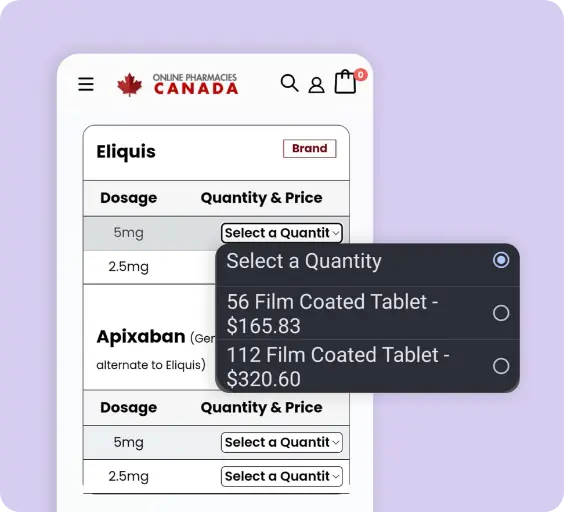
Select the quantity to see the price.

  *  
Prescription Prescription Required FormationFormulation: Tablet

Naproxen Sodium

(Generic Alternative)

Select the prescribed dosage

Select the quantity to see the price.

  *  
delivery

* This price includes a dispensing fee, medical review fee, and packing fee.

delivery

Shipped and delivered directly to your doorstep

Anaprox contains the active ingredient naproxen sodium. It is a prescription medication used to reduce pain, swelling, inflammation, stiffness, and fever.

It belongs to a group of medications called nonsteroidal anti-inflammatory drugs, also known as NSAIDs. Anaprox may be prescribed for short-term pain or for longer-lasting inflammatory conditions such as arthritis.

Mild to Moderate Pain

Anaprox may be used to relieve mild to moderate pain caused by conditions such as:

  • Headaches
  • Muscle aches
  • Back pain
  • Dental pain
  • Minor injuries
  • Tendonitis
  • Bursitis

Tendonitis is inflammation of a tendon, which connects a muscle to a bone. Bursitis is inflammation of a small fluid-filled sac that cushions a joint.

By reducing inflammation and pain, Anaprox may make movement and daily activities more comfortable.

Osteoarthritis

Anaprox may be used to manage symptoms of osteoarthritis.

Osteoarthritis occurs when the protective cartilage inside a joint gradually wears down. It commonly affects the knees, hips, hands, and spine.

Possible symptoms include:

  • Joint pain
  • Stiffness
  • Swelling
  • Tenderness
  • Reduced range of motion
  • Pain that becomes worse with activity

Anaprox may reduce pain and stiffness, but it does not rebuild damaged cartilage or cure osteoarthritis.

Rheumatoid Arthritis

Rheumatoid arthritis is an autoimmune condition in which the immune system mistakenly attacks the lining of the joints.

This may cause:

  • Painful and swollen joints
  • Morning stiffness
  • Warmth around the joints
  • Tiredness
  • Reduced movement
  • Joint damage over time

Anaprox can help reduce pain, swelling, and stiffness. However, it does not control the underlying autoimmune disease or prevent joint damage.

People with rheumatoid arthritis may also need disease-modifying medications prescribed by a specialist.

Ankylosing Spondylitis

Anaprox may be prescribed for ankylosing spondylitis, an inflammatory condition that mainly affects the spine and the joints connecting the spine to the pelvis.

Symptoms may include:

  • Lower-back pain
  • Hip or buttock pain
  • Morning stiffness
  • Reduced spinal movement
  • Pain that improves with activity

Anaprox may reduce inflammation and make movement more comfortable. It does not cure the condition or reverse existing spinal damage.

Anaprox is officially indicated for osteoarthritis, rheumatoid arthritis, and ankylosing spondylitis.

Acute Gout

Anaprox may be used to treat the pain and inflammation caused by an acute gout attack.

Gout develops when uric acid crystals collect inside a joint. It commonly affects the big toe, but it can also involve the ankles, knees, wrists, or fingers.

A gout attack may cause:

  • Sudden, severe joint pain
  • Redness
  • Warmth
  • Swelling
  • Extreme tenderness

Anaprox can reduce inflammation and pain during an attack. It does not lower uric acid levels or prevent future attacks.

A separate medication may be needed for long-term uric acid control. Acute gout is one of the approved uses of prescription naproxen products.

Menstrual Cramps

Anaprox may be used to relieve primary dysmenorrhea, commonly called menstrual cramps.

During menstruation, the body produces substances called prostaglandins. These substances cause the uterus to contract and may contribute to pain, inflammation, nausea, headache, or back discomfort.

Anaprox reduces prostaglandin production and may help relieve:

  • Lower abdominal cramps
  • Lower-back pain
  • Headache
  • General menstrual discomfort

Treatment often works best when started as soon as menstrual pain begins, following the prescribed instructions.

How Anaprox Works

Anaprox blocks enzymes called cyclooxygenase-1 and cyclooxygenase-2, commonly shortened to COX-1 and COX-2.

These enzymes help the body produce prostaglandins. Prostaglandins are natural substances involved in pain, inflammation, swelling, and fever.

By lowering prostaglandin production, Anaprox may:

  • Reduce pain
  • Decrease swelling
  • Improve joint movement
  • Relieve stiffness
  • Lower fever

However, prostaglandins also help protect the stomach lining, support kidney function, and regulate blood flow. Reducing them can therefore cause side effects, especially when Anaprox is used at high doses or for a long time.

Fast-Acting Naproxen Form

Naproxen sodium is absorbed more quickly than some standard naproxen formulations.

This may make Anaprox useful when faster pain relief is needed, such as for menstrual cramps, dental pain, tendonitis, bursitis, or an acute gout attack.

The speed and amount of relief vary depending on the dose, condition, and individual response.

Expected Benefits

When Anaprox works effectively, it may help:

  • Reduce pain during movement
  • Decrease joint swelling
  • Improve morning stiffness
  • Make daily activities easier
  • Reduce menstrual cramps
  • Relieve pain from an acute injury or inflammatory condition

The medication controls symptoms but does not permanently cure arthritis, gout, or the underlying cause of every type of pain.

Short-Term and Long-Term Use

Anaprox may be used for a short period to treat an injury, dental pain, menstrual cramps, or an acute gout attack.

It may also be prescribed for longer-term conditions such as arthritis. Longer use requires closer monitoring because NSAIDs may increase the risk of stomach bleeding, cardiovascular problems, kidney injury, and other serious effects.

Use the lowest effective dose for the shortest period needed to control your symptoms.

Role in a Complete Treatment Plan

Anaprox may be one part of a broader treatment plan.

Depending on the condition, treatment may also include:

  • Rest or activity modification
  • Physical therapy
  • Exercise and stretching
  • Ice or heat
  • Disease-modifying arthritis medications
  • Medicines that lower uric acid
  • Other pain-management approaches

Do not combine Anaprox with another NSAID, such as ibuprofen or diclofenac, unless your healthcare provider specifically recommends it.

Individualized Treatment

A healthcare provider will decide whether Anaprox is appropriate based on:

  • The cause and severity of the pain
  • Age
  • Heart and blood vessel health
  • Kidney and liver function
  • History of stomach ulcers or bleeding
  • Other medications
  • Pregnancy status
  • Response to previous pain treatments

Take Anaprox exactly as prescribed. Do not increase the dose, take it more often, or continue using it longer than directed.

Take Anaprox exactly as prescribed by your healthcare provider. It is taken by mouth, usually once or twice daily or at specific intervals when treating short-term pain.

Swallow the tablet with a full glass of water. Do not lie down for at least 10 minutes after taking it.

Anaprox may be taken with food, milk, or an antacid if it causes stomach discomfort. However, taking it with food may slightly delay how quickly pain relief begins.

Use the Lowest Effective Dose

Your dose depends on the condition being treated, the severity of your symptoms, your medical history, and your response to treatment.

Use the lowest dose that controls your symptoms for the shortest time needed. Higher doses and longer treatment may increase the risk of stomach bleeding, heart problems, kidney injury, and other serious side effects.

Do not take Anaprox more often or in larger amounts than prescribed.

Dosage for Arthritis

For osteoarthritis, rheumatoid arthritis, or ankylosing spondylitis, the usual adult dose is:

275 mg or 550 mg twice daily.

The doses are commonly taken in the morning and evening. Your healthcare provider may adjust the dose based on symptom control and side effects.

Anaprox can reduce pain, swelling, and stiffness, but it does not cure arthritis or prevent the condition from progressing.

Dosage for Pain and Menstrual Cramps

For mild to moderate pain, menstrual cramps, tendonitis, or bursitis, the usual starting dose is:

550 mg as the first dose.

This may be followed by either:

  • 275 mg every 6 to 8 hours as needed
  • 550 mg every 12 hours as needed

The total dose should not exceed 1,375 mg on the first day. After the first day, the total should not exceed 1,100 mg within 24 hours.

Dosage for an Acute Gout Attack

For an acute gout attack, the usual starting dose of naproxen sodium is:

825 mg at the beginning of the attack.

This is followed by 275 mg every 8 hours until the symptoms improve.

Anaprox relieves pain and inflammation during a gout attack, but it does not lower uric acid or prevent future attacks.

Dosage for Children

A healthcare provider will determine whether naproxen is appropriate for a child.

For juvenile idiopathic arthritis, naproxen oral suspension is often preferred because it allows the dose to be measured accurately according to body weight. A commonly used total dose is approximately 10 mg per kilogram of body weight each day, divided into two doses.

Do not give Anaprox tablets to a child based only on age or weight without specific instructions from a healthcare provider. Tablet strengths and suitable formulations may vary.

Regular Use for Arthritis

When Anaprox is prescribed for an ongoing condition such as arthritis, take it regularly according to your treatment schedule.

It may take several days of consistent use to receive the full anti-inflammatory benefit. Do not take extra tablets because relief is not immediate.

Missed Dose

If you take Anaprox regularly and miss a dose, take it when you remember.

However, skip the missed dose if it is almost time for the next one. Continue with your usual schedule.

Do not take two doses at once or take extra medication to make up for a missed dose.

Important Treatment Reminders

Do not combine Anaprox with other NSAIDs, such as ibuprofen, diclofenac, or additional naproxen products, unless your healthcare provider specifically tells you to do so.

Check the labels of over-the-counter pain and cold products because they may also contain an NSAID.

Contact your healthcare provider if your pain becomes worse, does not improve, or requires treatment for longer than prescribed.

Common Side Effects of Anaprox (Naproxen Sodium):

Serious Side Effects of Anaprox (Naproxen Sodium):

  • Abdominal bleeding
  • Abdominal pain
  • Abdominal perforation
  • Abdominal ulcers
  • Being more thirsty than usual
  • Belching
  • Bruising
  • Diarrhea
  • Difficult or labored breathing
  • Feeling of indigestion
  • Headache
  • Indigestion
  • Itching skin
  • Large, flat, blue, or purplish patches in the skin
  • Pain in the chest below the breastbone
  • Racing heart
  • Skin eruptions
  • Stomach pain
  • Sweating
  • Swelling
  • Tightness in the chest

Anaprox (Naproxen Sodium) is available in the following forms and strength:

Anaprox: Tablet

  • 275 mg

Naproxen Sodium: Tablet

  • 275 mg

Heart Attack and Stroke Risk

Like other nonsteroidal anti-inflammatory drugs, also called NSAIDs, Anaprox may increase the risk of heart attack, stroke, and other serious heart or blood vessel problems.

The risk may be higher when Anaprox is taken at high doses, used for a long time, or taken by someone who already has heart disease or cardiovascular risk factors.

Seek emergency medical care if you develop chest pain, shortness of breath, sudden weakness on one side of the body, difficulty speaking, or sudden vision changes.

Stomach and Intestinal Bleeding

Anaprox may cause ulcers, bleeding, or holes in the stomach or intestines. These problems can occur without warning and may become life-threatening.

The risk may be higher in older adults and people who:

  • Have had a stomach ulcer or digestive-tract bleeding
  • Take blood thinners or corticosteroids
  • Use Anaprox for a long time
  • Take high doses
  • Drink large amounts of alcohol
  • Smoke

Stop taking Anaprox and seek medical care if you develop black or bloody stools, vomit that looks like blood or coffee grounds, severe stomach pain, or unexplained weakness.

Kidney Problems

Anaprox may reduce blood flow to the kidneys and affect kidney function.

The risk may be higher if you have kidney disease, heart failure, liver disease, dehydration, or take certain blood pressure medicines or diuretics.

Contact your healthcare provider if you develop reduced urination, swelling in the legs or feet, sudden weight gain, unusual tiredness, or shortness of breath.

Medication Interactions

Anaprox may interact with prescription medications, over-the-counter products, vitamins, and supplements.

Important interactions may occur with:

  • Blood thinners
  • Aspirin
  • Other NSAIDs
  • Corticosteroids
  • Certain antidepressants
  • Diuretics
  • Blood pressure medications
  • Lithium
  • Methotrexate

Tell your healthcare provider about everything you take. Do not combine Anaprox with ibuprofen, diclofenac, additional naproxen products, or another NSAID unless specifically directed.

Pregnancy

Tell your healthcare provider if you are pregnant, planning to become pregnant, or think you may be pregnant.

NSAIDs such as Anaprox may cause serious problems during pregnancy, especially later in pregnancy. They may affect the unborn baby’s kidneys, amniotic fluid, heart, and circulation.

Do not use Anaprox during pregnancy unless your healthcare provider decides that it is necessary. Avoid using it during the later stages of pregnancy unless specifically instructed.

Breastfeeding

Naproxen can pass into breast milk.

Because it remains in the body for a relatively long time, your healthcare provider will consider the baby’s age, your treatment length, and the expected benefits before recommending Anaprox while breastfeeding.

Monitor the nursing baby for unusual sleepiness, poor feeding, bruising, or digestive problems, and contact a healthcare provider if concerns develop.

Use the Lowest Effective Dose

Use the lowest dose that controls your symptoms for the shortest period needed.

Do not increase the dose, take Anaprox more frequently, or continue it longer than prescribed. Longer use and higher doses may increase the risk of serious heart, stomach, intestinal, and kidney complications.

Can Anaprox Be Taken With Other Medications?

Anaprox may interact with certain prescription medications, over-the-counter products, vitamins, supplements, and herbal remedies. Tell your healthcare provider about everything you take before starting Anaprox. Important interactions may occur with blood thinners, aspirin, other NSAIDs, corticosteroids, certain antidepressants, blood pressure medications, diuretics, lithium, and methotrexate. Do not start, stop, or change another medication without medical advice.

How Long Does Anaprox Take to Work?

Anaprox may begin relieving pain within one to two hours after a dose. When it is used for an ongoing inflammatory condition, such as arthritis, it may take several days of regular use to reach its full effect. Continue taking it as prescribed. Do not take extra doses because relief is not immediate.

Does Anaprox Cause Addiction or Dependence?

No. Anaprox is not considered addictive and does not usually cause physical dependence. However, taking more than prescribed or using it for too long can increase the risk of stomach bleeding, kidney problems, heart complications, and other serious side effects. Use the lowest effective dose for the shortest period recommended by your healthcare provider.

How Should Anaprox Be Stored?

Store Anaprox at room temperature in a dry place, away from excessive heat, moisture, and direct sunlight. Keep the medication in its original container and tightly closed when it is not being used. Keep Anaprox out of the reach of children and pets. Do not use it after the expiry date printed on the packaging.

REVIEWS

Additional Information Book
Generic name:

Naproxen Sodium

Formulation:

Tablet

Strength(s):

275mg

Quantities Available:

100

Why customers love Online Pharmacies Canada

Our online Canadian Pharmacy is known for high standards of quality, safety, and efficiency when it comes to medications.

Our pharmacy offers lower prices on prescription drugs compared to traditional pharmacies.

How to Order

How much Anaprox can I order at once from a Canadian pharmacy?

When ordering Anaprox (naproxen sodium) from a Canadian pharmacy, you can typically purchase up to a 90-day supply at one time, which is standard for prescription medications to ensure convenient management of chronic conditions without frequent refills.

Here’s what you need to know:

Dosage and Quantity: Anaprox is commonly prescribed in dosage of 275 mg tablets, taken every 6 to 8 hours as needed for pain relief. For a 90-day supply, this means you would order a quantity based on your prescribed dosage and frequency.

For example: If prescribed 275 mg twice daily (morning and evening), for a 90-day supply, you would order 180 tablets (90 days x 2 tablets per day).

Do you sell naproxen sodium?

Yes, we sell naproxen sodium. You can enjoy low prices on this medication through our website. To purchase naproxen sodium, you will need a valid prescription from your healthcare provider. We require this to dispense the medication. You can mail, fax, or upload your prescription through your online account for a convenient ordering process.

Do you offer shipping of Anaprox (naproxen sodium) to the United States?

Yes, we ship Anaprox (naproxen sodium) to both the United States and Puerto Rico.

Discover Our Users' Stories!

Watch how Online Pharmacies Canada is helping customers save money on their medications.

Online Pharmacies Canada Customer Testimonial #4
Online Pharmacies Canada Customer Testimonial #1
Online Pharmacies Canada - Customer Testimonial #2

Online Pharmacies Canada has provided information from third parties intended to increase awareness and does not contain all the information about Anaprox (Naproxen Sodium). Talk to your doctor or other qualified medical practitioners for medical attention or advice, or if you have any concerns about Anaprox (Naproxen Sodium).