Seroquel XR (Quetiapine Fumarate SR) Shopper Approved

Prescription Prescription Required FormationFormulation: Extended Release Tablet

Seroquel XR

(Brand Option)

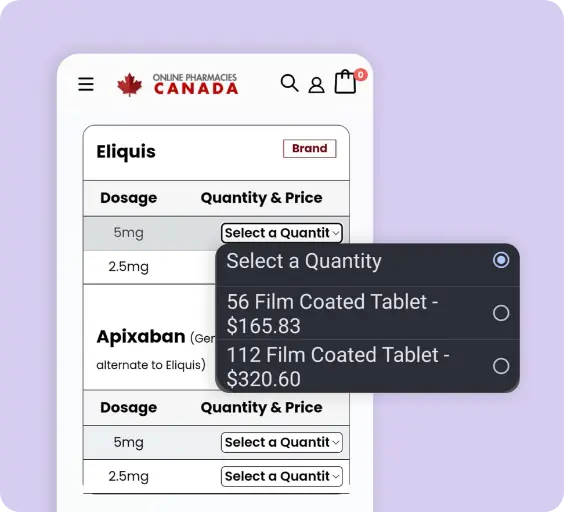
Select the prescribed dosage

Select the quantity to see the price.

  *  
Prescription Prescription Required FormationFormulation: Extended Release Tablet

Quetiapine Fumarate SR

(Generic Alternative)

Select the prescribed dosage

Select the quantity to see the price.

  *  
delivery

* This price includes a dispensing fee, medical review fee, and packing fee.

delivery

Shipped and delivered directly to your doorstep

Seroquel XR contains the active ingredient quetiapine fumarate. It is an extended-release prescription medication used to treat several mental health conditions, including schizophrenia, bipolar disorder, and major depressive disorder.

Schizophrenia

Seroquel XR is used to treat schizophrenia in adults and adolescents aged 13 to 17 years.

Schizophrenia is a long-term mental health condition that can affect thoughts, emotions, perception, and behavior. Symptoms may include:

  • Hallucinations, such as hearing or seeing things that are not there
  • Delusions, or strongly held beliefs that are not based in reality
  • Disorganized thinking or speech
  • Difficulty concentrating
  • Reduced motivation or social withdrawal

Seroquel XR may help reduce these symptoms by affecting certain chemical messengers in the brain.

Treatment is usually continued for as long as needed to help control symptoms and reduce the risk of relapse. The dose is adjusted based on response, side effects, and individual treatment goals.

Bipolar Disorder

Seroquel XR is also used for certain phases of bipolar disorder.

Bipolar disorder causes significant changes in mood, energy, activity, and behavior. People may experience episodes of mania, depression, or both.

Manic Episodes

Seroquel XR may be used to treat acute manic or mixed episodes associated with bipolar I disorder.

Symptoms of mania can include:

  • Unusually high or irritable mood
  • Increased energy or activity
  • Reduced need for sleep
  • Rapid speech
  • Racing thoughts
  • Impulsive or risky behavior

Seroquel XR can help reduce these symptoms and improve mood stability.

Bipolar Depression

In adults, Seroquel XR may also be prescribed for depressive episodes associated with bipolar disorder.

Symptoms of bipolar depression may include persistent sadness, low energy, loss of interest in normal activities, changes in sleep or appetite, difficulty concentrating, and feelings of hopelessness.

Seroquel XR may help improve depressive symptoms and overall functioning.

Maintenance Treatment

Seroquel XR may also be used as part of maintenance treatment for bipolar disorder to help reduce the risk of future mood episodes.

Depending on the treatment plan, it may be used alone or together with another mood-stabilizing medication.

Major Depressive Disorder

Seroquel XR may be prescribed as an add-on treatment for major depressive disorder (MDD) in adults when an antidepressant alone has not provided enough improvement.

This is known as adjunctive therapy.

Major depressive disorder can cause symptoms such as:

  • Persistent sadness
  • Loss of interest or pleasure
  • Low energy
  • Difficulty concentrating
  • Changes in sleep
  • Changes in appetite
  • Feelings of worthlessness or hopelessness

When added to an antidepressant, Seroquel XR may help improve symptoms that have not fully responded to antidepressant treatment alone.

How Seroquel XR Works

Seroquel XR belongs to a class of medications called atypical antipsychotics.

Its exact mechanism is not fully understood, but quetiapine affects several neurotransmitters in the brain, particularly dopamine and serotonin.

These chemical messengers help regulate:

  • Mood
  • Thinking
  • Perception
  • Motivation
  • Emotional responses
  • Sleep

By changing the activity of dopamine and serotonin receptors, Seroquel XR may help reduce psychotic symptoms, control manic symptoms, and improve depressive symptoms.

Extended-Release Formulation

Seroquel XR is an extended-release tablet, meaning the medication is released slowly over several hours.

Because of this gradual release, it is generally taken once daily.

The tablet should be swallowed whole and should not be split, crushed, or chewed because doing so can interfere with the extended-release system.

Seroquel XR vs. Regular Seroquel

Seroquel XR should not be confused with immediate-release Seroquel.

Both contain quetiapine, but they release the medication differently.

Seroquel XR releases quetiapine gradually and is generally taken once daily, while immediate-release Seroquel may be taken more than once a day depending on the condition being treated.

The two formulations should not be switched without guidance from a healthcare provider.

When Improvement May Be Noticed

Some symptoms, such as agitation or sleep problems, may begin improving earlier in treatment.

Other symptoms, including mood changes, hallucinations, delusions, or depression, may take several days or weeks to improve more fully.

Continue taking Seroquel XR as prescribed even if you do not notice an immediate benefit.

Long-Term Treatment

Some people may need Seroquel XR for an extended period to help keep symptoms under control.

Your healthcare provider will periodically review how well the medication is working and whether the dose remains appropriate.

Do not stop Seroquel XR suddenly unless your healthcare provider tells you to. Stopping too quickly may cause withdrawal symptoms or allow the original condition to return or worsen.

Seroquel XR is an extended-release tablet taken by mouth once daily, preferably in the evening.

It should be taken without food or with a light meal of about 300 calories. Taking it with a high-fat or heavy meal can increase the amount of quetiapine absorbed into the body.

Swallow the Tablet Whole

Swallow Seroquel XR tablets whole.

Do not:

  • Split the tablets
  • Crush them
  • Chew them

Damaging the tablet can interfere with the extended-release system and cause the medication to be released too quickly.

Your Dose May Be Increased Gradually

The dose of Seroquel XR depends on the condition being treated, your age, how well you respond to treatment, and whether you develop side effects.

Your healthcare provider may start treatment at a lower dose and increase it gradually until the most appropriate dose is reached.

Older adults and people with liver impairment may need a lower starting dose and slower dose increases.

Schizophrenia in Adults

Starting dose: 300 mg once daily.

Recommended dose: 400 to 800 mg once daily, depending on response and tolerability.

Maximum dose: 800 mg per day.

Schizophrenia in Adolescents

For adolescents aged 13 to 17 years:

Starting dose: 50 mg once daily.

Recommended dose: The dose is gradually increased over the first several days to a range of 400 to 800 mg once daily.

Maximum dose: 800 mg per day.

Bipolar I Mania in Adults

For acute manic or mixed episodes associated with bipolar I disorder:

Starting dose: 300 mg once daily on Day 1.

Dose increase: 600 mg once daily on Day 2.

Recommended dose: 400 to 800 mg once daily from Day 3 onward, depending on response and tolerability.

Maximum dose: 800 mg per day.

Bipolar Mania in Children and Adolescents

For children and adolescents aged 10 to 17 years:

Starting dose: 50 mg once daily.

Recommended dose: The dose is gradually increased over several days to a range of 400 to 600 mg once daily.

Maximum dose: 600 mg per day.

Bipolar Depression in Adults

For depressive episodes associated with bipolar disorder:

Starting dose: 50 mg once daily on Day 1.

The dose is usually increased as follows:

  • Day 1: 50 mg
  • Day 2: 100 mg
  • Day 3: 200 mg
  • Day 4 and onward: 300 mg

Recommended dose: 300 mg once daily.

Maximum dose: 300 mg per day.

Major Depressive Disorder

When Seroquel XR is used as an add-on treatment with an antidepressant for major depressive disorder:

Starting dose: 50 mg once daily.

Recommended dose: 150 to 300 mg once daily, depending on response and tolerability.

Maximum dose: 300 mg per day.

Take Seroquel XR Regularly

Take Seroquel XR at about the same time every day.

Do not take a larger dose, take it more often, or continue treatment longer than prescribed. Higher doses will not make the medication work faster and may increase the risk of side effects.

Continue taking Seroquel XR even if you begin to feel better unless your healthcare provider tells you otherwise.

What to Do If You Miss a Dose

If you miss a dose of Seroquel XR, take it as soon as you remember.

If it is almost time for your next scheduled dose, skip the missed dose and take your next dose at the usual time.

Do not take two doses at the same time or take extra Seroquel XR to make up for a missed dose.

If you have missed Seroquel XR for more than one week, contact your healthcare provider before restarting it. You may need to restart at a lower dose and gradually increase it again.

Do Not Stop Seroquel XR Suddenly

Do not suddenly stop taking Seroquel XR without speaking with your healthcare provider.

Stopping too quickly may cause symptoms such as:

  • Trouble sleeping
  • Nausea
  • Headache
  • Diarrhea
  • Dizziness
  • Irritability

Your original symptoms may also return or become worse.

Your healthcare provider may recommend gradually reducing the dose when treatment is discontinued.

Tell Your Healthcare Provider About Other Medications

Tell your healthcare provider and pharmacist about all medications and supplements you use, including:

  • Prescription medications
  • Over-the-counter medications
  • Vitamins
  • Herbal products

Some medications can change the amount of quetiapine in your body and may require a dose adjustment.

Always follow the dosing schedule prescribed specifically for you.

Common Side Effects of Seroquel XR (Quetiapine Fumarate SR):

  • Abnormal liver function test
  • Constipation
  • Dizziness
  • Drowsiness
  • Dry mouth
  • Fast heartbeats
  • Increased appetite
  • Lack of energy
  • Speech problems
  • Stuffy nose
  • Tiredness
  • Upset stomach
  • Vomiting
  • Weight gain

Serious Side Effects of Seroquel XR (Quetiapine Fumarate SR):

  • Blurred vision
  • Chills
  • Confusion
  • Cough
  • Dry mouth
  • Eye pain
  • Fainting
  • Fast or uneven heartbeats
  • Fever
  • Fruity breath odor
  • High fever
  • Increased thirst
  • Increased urination
  • Lightheadedness
  • The mask-like appearance of the face
  • Mouth sores
  • Painful or difficult urination
  • Problems with speech
  • Seeing halos around lights
  • Severe constipation
  • Skin sores
  • Sore throat
  • Sweating
  • Tremors
  • Trouble breathing
  • Trouble swallowing
  • Tunnel vision
  • Uncontrolled muscle movements in your face (chewing, lip smacking, frowning, tongue movement, blinking, or eye movement)
  • Very stiff (rigid) muscles

Seroquel XR (Quetiapine Fumarate SR) is available in the following forms and strength:

Seroquel XR: Extended Release Tablet

  • 50 mg
  • 150 mg
  • 200 mg
  • 300 mg
  • 400 mg

Quetiapine Fumarate SR: Extended Release Tablet

  • 50 mg
  • 100 mg
  • 150 mg
  • 200 mg
  • 300 mg
  • 400 mg

Increased Risk in Older Adults With Dementia-Related Psychosis

Seroquel XR is not approved for the treatment of dementia-related psychosis.

Older adults with dementia-related psychosis who are treated with antipsychotic medications may have an increased risk of death. There may also be an increased risk of stroke or other serious cardiovascular events in this population.

Suicidal Thoughts and Behaviors

Seroquel XR may increase the risk of suicidal thoughts and behaviors, especially in children, adolescents, and young adults being treated for depression or other psychiatric conditions.

Patients should be monitored closely, particularly when treatment is started or when the dose is changed.

Contact a healthcare provider promptly if you notice new or worsening depression, unusual changes in mood or behavior, or thoughts of self-harm.

Low Blood Pressure and Dizziness

Seroquel XR can cause orthostatic hypotension, which is a drop in blood pressure when standing up.

This may cause:

  • Dizziness
  • Lightheadedness
  • Fainting
  • Increased risk of falls

These effects are more likely when treatment is first started or when the dose is increased.

Stand up slowly from sitting or lying down, especially if you feel dizzy.

Seizures

Seroquel XR may lower the seizure threshold in some people.

Tell your healthcare provider if you have a history of seizures or other conditions that may increase your seizure risk.

Drowsiness and Impaired Thinking

Seroquel XR can cause drowsiness, dizziness, slowed thinking, and problems with coordination.

Until you know how the medication affects you, avoid driving, operating machinery, or doing other activities that require full alertness.

Alcohol can make these effects worse and should generally be avoided or limited as directed by your healthcare provider.

High Blood Sugar and Diabetes

Seroquel XR can increase blood sugar levels.

This may lead to hyperglycemia and, in some cases, diabetes.

The risk may be higher if you already have diabetes or have other risk factors for diabetes.

Contact your healthcare provider if you develop symptoms such as:

  • Increased thirst
  • Frequent urination
  • Unusual hunger
  • Weakness or fatigue

Your healthcare provider may monitor your blood glucose during treatment.

Weight Gain and Cholesterol Changes

Seroquel XR may cause weight gain and changes in cholesterol or triglyceride levels.

Your healthcare provider may monitor:

  • Body weight
  • Blood sugar
  • Cholesterol
  • Triglycerides

Regular monitoring is especially important during long-term treatment.

Neuroleptic Malignant Syndrome

Seroquel XR can rarely cause neuroleptic malignant syndrome (NMS), a serious and potentially life-threatening reaction.

Seek immediate medical attention if you develop:

  • High fever
  • Severe muscle stiffness
  • Confusion
  • Heavy sweating
  • Changes in heart rate or blood pressure

NMS requires urgent medical treatment.

Tardive Dyskinesia

Long-term use of antipsychotic medications may cause tardive dyskinesia, a movement disorder that can sometimes be permanent.

Symptoms may include repetitive or uncontrollable movements of the:

  • Face
  • Tongue
  • Mouth
  • Arms
  • Legs

Tell your healthcare provider if you notice any new or unusual movements.

Drug Interactions

Seroquel XR can interact with other medications and substances.

Some medicines may increase quetiapine levels and raise the risk of side effects, while others may reduce its effectiveness.

Important interactions may occur with:

  • Certain antibiotics
  • Antifungal medications
  • Seizure medications
  • Sedatives or sleeping medications
  • Blood pressure medications
  • Other medications that affect heart rhythm
  • Alcohol

Tell your healthcare provider about all prescription medications, over-the-counter products, vitamins, supplements, and herbal products you use.

Heart Rhythm Changes

Seroquel XR can affect the electrical activity of the heart and may increase the risk of an abnormal heart rhythm in some people.

The risk may be higher if you have heart disease, low potassium or magnesium levels, or take other medications that affect heart rhythm.

Tell your healthcare provider if you have a history of heart problems or fainting.

Increased Risk of Falls

Drowsiness, dizziness, low blood pressure, and problems with coordination can increase the risk of falls.

This may be especially important in older adults.

Use caution when standing, walking, or changing position until you know how Seroquel XR affects you.

Do Not Stop Suddenly

Do not stop taking Seroquel XR suddenly unless your healthcare provider tells you to.

Stopping too quickly can cause withdrawal symptoms such as nausea, headache, diarrhea, dizziness, irritability, and trouble sleeping.

Your healthcare provider may recommend gradually reducing the dose when treatment is discontinued.

Is Seroquel XR addictive?

Seroquel XR is not considered addictive in the same way as substances such as opioids, benzodiazepines, or stimulants. However, your body can become accustomed to the medication over time. If Seroquel XR is stopped suddenly, withdrawal symptoms may occur. For this reason, do not stop taking Seroquel XR without speaking with your healthcare provider.

How long does it take for Seroquel XR to start working?

Some symptoms may begin to improve within the first several days or weeks of treatment. For example, sleep problems, agitation, or anxiety may improve earlier, while symptoms such as depression, mania, hallucinations, or disorganized thinking may take longer. It may take several weeks or longer to experience the full benefits of Seroquel XR. Continue taking the medication as prescribed even if improvement is not immediate.

Can I stop taking Seroquel XR suddenly?

No. You should not stop Seroquel XR suddenly unless your healthcare provider specifically tells you to. Stopping too quickly may cause withdrawal symptoms such as trouble sleeping, nausea, headache, diarrhea, dizziness, and irritability. Your original symptoms may also return or become worse. Your healthcare provider may recommend gradually reducing the dose before stopping treatment.

How long can I take Seroquel XR?

The length of treatment depends on the condition being treated, how well Seroquel XR controls your symptoms, whether you experience side effects, and your individual treatment needs. Some people may take Seroquel XR for a short period, while others may need it for months or years as part of long-term treatment. Your healthcare provider will periodically review whether the medication is still needed and whether the dose remains appropriate.

REVIEWS

Additional Information Book
Generic name:

Quetiapine, Quetiapine Fumarate SR

Formulation:

Extended Release Tablet

Strength(s):

50mg, 100mg, 150mg, 200mg, 300mg, 400mg

Quantities Available:

50, 60, 100, 120

Why customers love Online Pharmacies Canada

Our online Canadian Pharmacy is known for high standards of quality, safety, and efficiency when it comes to medications.

Our pharmacy offers lower prices on prescription drugs compared to traditional pharmacies.

How to Order

How much Seroquel XR can I order at once from a Canadian pharmacy?

When ordering Seroquel XR (quetiapine fumarate SR) from a Canadian pharmacy, you can typically purchase up to a 90-day supply at one time, which is common for prescription medications to ensure adequate management of chronic conditions without frequent refills.

Here’s what you need to know:

Dosage and Quantity: Seroquel XR is commonly prescribed in dosages of 50 mg, 150 mg, 200 mg, 300 mg, or 400 mg, taken once daily. For a 90-day supply, this means you would order <strong>90 tablets (90 days x 1 tablet per day).

Do you sell quetiapine fumarate SR?

Yes, we sell quetiapine fumarate SR on our website. You can enjoy low prices when you order through us. To purchase quetiapine fumarate SR, you will need a valid prescription from your healthcare provider. We require this prescription to dispense the medication safely and appropriately. You have the option to submit your prescription by mailing it to us, faxing it, or uploading it through your online account.

Do you offer shipping of Seroquel XR (quetiapine fumarate SR) to the United States?

Yes, we ship Seroquel XR (quetiapine fumarate SR) to both the United States and Puerto Rico.

Discover Our Users' Stories!

Watch how Online Pharmacies Canada is helping customers save money on their medications.

Online Pharmacies Canada Customer Testimonial #4
Online Pharmacies Canada Customer Testimonial #1
Online Pharmacies Canada - Customer Testimonial #2

Online Pharmacies Canada has provided information from third parties intended to increase awareness and does not contain all the information about Seroquel XR (Quetiapine Fumarate SR). Talk to your doctor or other qualified medical practitioners for medical attention or advice, or if you have any concerns about Seroquel XR (Quetiapine Fumarate SR).