Zestril (Lisinopril) Shopper Approved

Prescription Prescription Required FormationFormulation: Tablet

Zestril

(Brand Option)

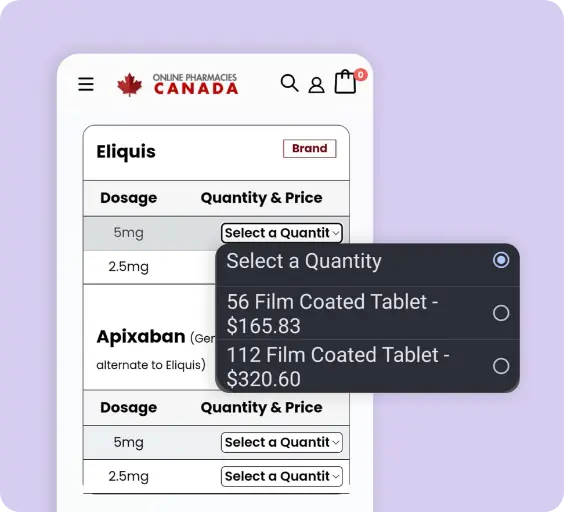
Select the prescribed dosage

Select the quantity to see the price.

  *  
Prescription Prescription Required FormationFormulation: Tablet

Lisinopril

(Generic Alternative)

Select the prescribed dosage

Select the quantity to see the price.

  *  
delivery

* This price includes a dispensing fee, medical review fee, and packing fee.

delivery

Shipped and delivered directly to your doorstep

Zestril (active ingredient: lisinopril) is a prescription medication used to treat high blood pressure, manage heart failure, and support recovery after a heart attack.

It works by helping blood vessels relax and widen. This allows blood to flow more easily and reduces the amount of work the heart must do to pump blood throughout the body.

High Blood Pressure

Zestril is used to treat hypertension, also known as high blood pressure. High blood pressure develops when blood pushes too strongly against the walls of the arteries over a long period.

Many people with high blood pressure do not have noticeable symptoms. However, untreated hypertension can gradually damage the heart, blood vessels, kidneys, brain, and eyes.

By lowering blood pressure, Zestril may help reduce the risk of:

  • Stroke
  • Heart attack
  • Heart failure
  • Kidney damage
  • Blood vessel complications

Zestril may be used alone or with other blood pressure medications, depending on how well the condition is controlled.

Heart Failure

Zestril is also used to manage heart failure. Heart failure occurs when the heart cannot pump blood efficiently enough to meet the body’s needs.

This can lead to symptoms such as:

  • Shortness of breath
  • Tiredness or weakness
  • Swelling in the legs, ankles, or feet
  • Rapid weight gain from fluid retention
  • Difficulty breathing while lying down
  • Reduced ability to exercise or complete daily activities

Zestril helps lower pressure in the blood vessels and reduces the workload on the heart. This may help the heart pump more effectively and may improve symptoms over time.

The medication is often used with other heart failure treatments, such as diuretics or beta blockers.

Treatment After a Heart Attack

Zestril may be prescribed after an acute myocardial infarction, commonly called a heart attack. A heart attack occurs when blood flow to part of the heart muscle becomes blocked.

After a heart attack, the heart may be weakened and may have difficulty pumping normally. Zestril helps reduce pressure on the heart and may limit harmful changes in the heart’s size and shape during recovery.

When started at the appropriate time, Zestril may help improve survival and lower the risk of future heart-related complications.

Mechanism of Action

Zestril belongs to a class of medications called angiotensin-converting enzyme inhibitors, or ACE inhibitors.

The body normally produces a hormone called angiotensin II. This hormone causes blood vessels to narrow and encourages the body to retain salt and water. Both effects can raise blood pressure and increase the workload on the heart.

Zestril blocks the enzyme that helps produce angiotensin II. As a result:

  • Blood vessels relax and widen
  • Blood pressure decreases
  • Blood flows more easily
  • The heart pumps against less resistance
  • The body may retain less salt and water

These effects help improve circulation and reduce strain on the heart.

Kidney Protection

Lowering blood pressure can help protect the kidneys from long-term damage. This is especially important for people whose kidneys are affected by high blood pressure or certain other medical conditions.

However, Zestril can also affect kidney function in some people. A healthcare provider may order blood tests to monitor kidney function and potassium levels during treatment.

Individualised Treatment

The dose of Zestril is different for each person. A healthcare provider will consider factors such as:

  • The condition being treated
  • Current blood pressure
  • Kidney function
  • Age
  • Other medications
  • Response to treatment
  • Side effects

Treatment may begin with a low dose, followed by gradual adjustments until the most effective dose is reached.

Long-Term Use

Zestril helps control high blood pressure and heart conditions, but it does not cure them. Many people need to take it regularly for a long period.

Continue taking Zestril exactly as directed, even if you feel well. Stopping the medication without medical advice may cause blood pressure to rise or heart symptoms to become worse.

Monitoring During Treatment

A healthcare provider may monitor:

  • Blood pressure
  • Kidney function
  • Potassium levels
  • Heart symptoms
  • Fluid retention
  • Response to treatment

Regular monitoring helps ensure that Zestril remains safe and effective.

Role in a Complete Treatment Plan

Zestril may be one part of a broader treatment plan that includes other medications, regular medical follow-up, and lifestyle measures such as reducing sodium intake, staying physically active, maintaining a healthy weight, and avoiding smoking.

Contact a healthcare provider if symptoms worsen, side effects become severe, or the medication does not appear to be controlling your condition.

Take Zestril exactly as prescribed by your healthcare provider. It is usually taken once a day.

Try to take each dose at approximately the same time every day. Taking the medication consistently can help maintain steady blood pressure control and make it easier to remember your dose.

Swallow the tablet with a glass of water. Zestril may be taken with or without food. However, taking it the same way each day may help you maintain a regular routine.

Do not take more tablets, take the medication more often, or change the dose without speaking with a healthcare provider.

Starting Treatment

Treatment usually begins with a low dose. Starting with a smaller dose helps reduce the risk of dizziness, fainting, and low blood pressure, especially during the first few days of treatment.

The starting dose depends on:

  • The condition being treated
  • Current blood pressure
  • Kidney function
  • Age
  • Other medications
  • Whether you take a diuretic
  • Your response to treatment

A healthcare provider may gradually increase the dose until your blood pressure or heart condition is adequately controlled.

Dosage for High Blood Pressure

For adults with high blood pressure, the usual starting dose is often 10 mg once daily.

Some people may begin with 5 mg once daily, especially if they:

  • Take a diuretic
  • Have kidney impairment
  • Are at risk of low blood pressure
  • Are older or medically frail
  • Have lost fluids through vomiting, diarrhoea, or heavy sweating

The usual maintenance dose is often between 20 mg and 40 mg once daily. The maximum recommended dose is generally 40 mg per day.

Your healthcare provider will adjust the dose based on your blood pressure readings, kidney function, potassium levels, side effects, and overall response.

Dosage for Heart Failure

When Zestril is used for heart failure, treatment often begins with a lower dose, such as 2.5 mg to 5 mg once daily.

The dose may be increased gradually as tolerated. Careful dose adjustment helps reduce the risk of low blood pressure, kidney problems, and high potassium levels.

Zestril is often used with other heart failure medications, such as diuretics or beta blockers. Your healthcare provider will determine how these medicines should be combined.

Dosage After a Heart Attack

When Zestril is prescribed after a heart attack, treatment may begin soon after the person becomes medically stable.

A typical schedule may include:

  • 5 mg as the first dose
  • Another 5 mg after 24 hours
  • 10 mg after 48 hours
  • 10 mg once daily as a maintenance dose

This treatment may continue for several weeks or longer, depending on heart function, blood pressure, kidney function, and recovery.

People with low blood pressure may require a smaller starting dose.

Taking Zestril With Other Medications

Tell your healthcare provider about all prescription medications, nonprescription medicines, vitamins, and supplements you use.

Certain medications may increase the risk of low blood pressure, kidney problems, or high potassium levels. These may include:

  • Diuretics
  • Potassium supplements
  • Potassium-containing salt substitutes
  • Other blood pressure medications
  • Nonsteroidal anti-inflammatory drugs
  • Lithium

Do not change or stop another medication without medical advice.

Missed Dose

Take the missed dose as soon as you remember.

However, skip the missed dose if it is almost time for your next scheduled dose. Continue with your regular dosing schedule.

Do not take two doses at the same time or take extra medication to make up for a missed dose.

Monitoring During Treatment

Your healthcare provider may regularly check:

  • Blood pressure
  • Kidney function
  • Potassium levels
  • Heart symptoms
  • Signs of fluid retention
  • Side effects

Blood tests may be required when treatment begins, after a dose increase, or when another medication is added.

Dizziness and Low Blood Pressure

Zestril may cause dizziness or light-headedness, especially when treatment begins or after the dose is increased.

Stand up slowly after sitting or lying down. Take extra care when getting out of bed.

The risk of low blood pressure may be higher if you:

  • Take a diuretic
  • Have vomiting or diarrhoea
  • Sweat heavily
  • Do not drink enough fluids
  • Follow a very low-sodium diet
  • Have heart failure

Contact a healthcare provider if you experience severe dizziness, fainting, unusual weakness, or confusion.

Fluid Intake and Dehydration

Vomiting, diarrhoea, fever, or heavy sweating can cause dehydration and make your blood pressure fall too low while taking Zestril.

Speak with a healthcare provider if you become unwell and cannot drink enough fluids. Do not stop the medication unless you are instructed to do so.

Potassium and Salt Substitutes

Zestril may increase potassium levels in the blood.

Do not take potassium supplements or use potassium-containing salt substitutes unless a healthcare provider approves them.

High potassium levels may cause muscle weakness, numbness, an irregular heartbeat, or, in severe cases, serious heart rhythm problems.

Long-Term Use

Zestril helps control high blood pressure, heart failure, and heart-related complications, but it does not cure these conditions.

Continue taking the medication even if you feel well. High blood pressure often causes no noticeable symptoms.

Do not stop Zestril suddenly or change the dose without medical advice. Stopping treatment may cause blood pressure to rise or heart symptoms to worsen.

When to Contact a Healthcare Provider

Contact a healthcare provider if you experience:

  • Severe dizziness or fainting
  • Very low blood pressure
  • Reduced urination
  • Swelling of the hands, feet, face, lips, or tongue
  • Difficulty breathing or swallowing
  • Muscle weakness or an irregular heartbeat
  • Persistent vomiting or diarrhoea
  • Worsening shortness of breath or swelling

Swelling of the face, lips, tongue, or throat may be a sign of angioedema and requires immediate medical care.

Common Side Effects of Zestril (Lisinopril):

  • Headache
  • Dizziness
  • Cough
  • Chest pain
  • Low blood pressure

Serious Side Effects of Zestril (Lisinopril):

  • Chest pain
  • Clay-colored stools
  • Dark urine
  • Feeling tired or short of breath
  • Fever and sore throat
  • Irregular heartbeats
  • Itching or tired feeling
  • Kidney problems
  • A light-headed feeling, like you might pass out
  • Little or no urination
  • Liver problems
  • Loss of appetite
  • Loss of movement
  • Nausea
  • Swelling in your feet or ankles
  • Tingly feeling
  • Upper stomach pain
  • Weakness
  • Yellowing of the skin or eyes

Zestril (Lisinopril) is available in the following forms and strengths:

Zestril: Tablet

  • 5 mg
  • 10 mg
  • 20 mg

Lisinopril: Tablet

  • 5 mg
  • 10 mg
  • 20 mg

Allergic Reactions

Zestril may cause an allergic reaction in some people. Symptoms may include a skin rash, hives, swelling, or difficulty breathing.

Stop taking Zestril and seek immediate medical care if you develop signs of a serious allergic reaction.

Angioedema

Zestril may cause angioedema, a rare but potentially life-threatening reaction involving sudden swelling beneath the skin.

Swelling may affect the:

  • Face
  • Lips
  • Tongue
  • Throat
  • Hands or feet

Seek emergency medical care immediately if you experience facial or throat swelling, hoarseness, difficulty swallowing, or difficulty breathing.

Pregnancy and Breastfeeding

Do not take Zestril during pregnancy because it can cause serious harm or death to an unborn baby.

Tell your healthcare provider immediately if you become pregnant while taking Zestril. Speak with a healthcare provider before using this medication while breastfeeding.

Kidney Problems

Zestril can affect kidney function and may worsen existing kidney problems in some people. The risk may be higher in people with kidney disease, heart failure, dehydration, or narrowing of the arteries that supply the kidneys.

A healthcare provider may order blood tests to monitor kidney function. Contact a healthcare provider if you notice reduced urination, swelling, unusual tiredness, or sudden weight gain.

Liver Problems

Rarely, Zestril may cause liver problems. A healthcare provider may recommend liver tests if symptoms suggest possible liver injury.

Seek medical advice if you develop yellowing of the skin or eyes, dark urine, pale stools, severe nausea, unusual tiredness, or pain in the upper-right side of the abdomen.

Low Blood Pressure

Zestril may lower blood pressure too much, particularly when treatment begins or after the dose is increased.

Possible symptoms include:

  • Dizziness
  • Light-headedness
  • Weakness
  • Blurred vision
  • Fainting

Stand up slowly after sitting or lying down. Contact a healthcare provider if dizziness is severe or you faint.

High Potassium Levels

Zestril may increase the level of potassium in the blood. The risk is higher in people with kidney problems or those taking potassium supplements, potassium-containing salt substitutes, or other medications that raise potassium.

High potassium levels may cause muscle weakness, tingling, numbness, or an irregular heartbeat. Do not use potassium supplements or salt substitutes unless approved by a healthcare provider.

Alcohol Use

Alcohol may increase the blood pressure-lowering effects of Zestril. This can make dizziness, light-headedness, or fainting more likely.

Limit or avoid alcohol until you know how the medication affects you. Ask a healthcare provider whether alcohol is safe for you.

Blood Sugar Changes

Zestril may affect blood sugar control, particularly during the first weeks of treatment in people taking diabetes medications.

Monitor your blood sugar as directed. A healthcare provider may need to adjust your diabetes treatment if your blood sugar becomes too low or difficult to control.

Surgery and Dental Procedures

Tell your doctor, surgeon, dentist, or anaesthetist that you take Zestril before any surgery or dental procedure.

Zestril may interact with anaesthesia and other medications used during a procedure, increasing the risk of low blood pressure.

Use in Older Adults

Older adults may be more sensitive to the effects of Zestril, particularly dizziness, low blood pressure, kidney problems, and high potassium levels.

A healthcare provider may prescribe a lower starting dose and monitor blood pressure, kidney function, and potassium more closely.

What Should I Do If I Miss a Dose?

Take the missed dose as soon as you remember. However, skip it if it is almost time for your next scheduled dose. Continue with your regular dosing schedule. Do not take two doses at the same time or use extra medication to make up for a missed dose.

Can Zestril Be Taken During Pregnancy?

No. Zestril should not be taken during pregnancy because it can seriously harm an unborn baby. Tell your healthcare provider immediately if you become pregnant while taking Zestril. Your healthcare provider can recommend a safer alternative.

How Quickly Does Zestril Start Working?

Zestril usually begins lowering blood pressure within about 1 hour after a dose. Its strongest effect may occur around 6 hours after taking it. However, it may take several weeks of regular treatment to achieve the full blood pressure-lowering benefit. Continue taking Zestril as prescribed, even if you do not notice an immediate difference.

How Long Does the Effect Last?

Zestril is usually taken once daily because its blood pressure-lowering effect can last for approximately 24 hours. Take it at about the same time each day to maintain consistent blood pressure control.

REVIEWS

Additional Information Book
Generic name:

Lisinopril

Formulation:

Scored Tablet, Tablet

Strength(s):

5mg, 10mg, 20mg

Quantities Available:

28, 56, 84, 90, 100

Why customers love Online Pharmacies Canada

Our online Canadian Pharmacy is known for high standards of quality, safety, and efficiency when it comes to medications.

Our pharmacy offers lower prices on prescription drugs compared to traditional pharmacies.

How to Order

How much Zestril can I order at once from a Canadian pharmacy?

When ordering Zestril (lisinopril) from a Canadian pharmacy, you can typically purchase up to a 90-day supply at one time, which is standard for prescription medications to ensure continuous management of chronic conditions with fewer refill hassles.

Here’s what you need to know:

Dosage and Quantity: Zestril is commonly prescribed in dosages of 5 mg, 10 mg, and 20 mg, usually taken once daily. For a 90-day supply, this means you would order 90 tablets (90 days x 1 tablet per day).

Do you sell lisinopril?

Yes, we sell lisinopril on our website. You can enjoy low prices when you order through us. To purchase lisinopril, you will need a valid prescription from your healthcare provider, as we require this to dispense the medication safely and legally. You have the option to submit your prescription by mailing it to us, faxing it, or uploading it through your secure online account.

Do you offer shipping of Zestril (lisinopril) to the United States?

Yes, we ship Zestril (lisinopril) to both the United States and Puerto Rico.

Discover Our Users' Stories!

Watch how Online Pharmacies Canada is helping customers save money on their medications.

Online Pharmacies Canada Customer Testimonial #4
Online Pharmacies Canada Customer Testimonial #1
Online Pharmacies Canada - Customer Testimonial #2

Online Pharmacies Canada has provided information from third parties intended to increase awareness and does not contain all the information about Zestril (Lisinopril). Talk to your doctor or other qualified medical practitioners for medical attention or advice, or if you have any concerns about Zestril (Lisinopril).