Sandimmune (Cyclosporine) Shopper Approved

Prescription Prescription Required FormationFormulation: Capsule

Sandimmune

(Brand Option)

Select the prescribed dosage

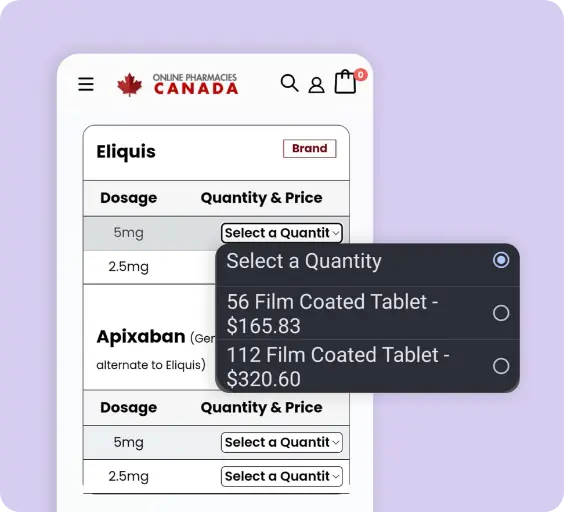
Select the quantity to see the price.

  *  
Prescription Prescription Required FormationFormulation: Capsule

Cyclosporine

We don't sell this generic-version medication.

Select the quantity to see the price.

  *  
delivery

* This price includes a dispensing fee, medical review fee, and packing fee.

delivery

Shipped and delivered directly to your doorstep

Sandimmune contains the active ingredient cyclosporine. It is a prescription immunosuppressant used mainly in people who have received certain organ transplants.

Prevention of Organ Rejection

Sandimmune is used to help prevent rejection after:

  • Kidney transplantation
  • Liver transplantation
  • Heart transplantation

After an organ transplant, the immune system may recognize the donated organ as foreign and try to attack it.

Sandimmune suppresses certain immune system responses, helping reduce the risk that the body will damage or reject the transplanted organ.

Treatment of Chronic Transplant Rejection

Sandimmune may also be used to treat chronic rejection in patients who were previously treated with other immunosuppressive medications.

Chronic rejection develops gradually and can reduce how well a transplanted organ functions over time.

Your transplant team will determine whether Sandimmune is appropriate based on the transplanted organ, previous treatments, blood test results, and overall response to therapy.

How Sandimmune Works

Sandimmune belongs to a class of medications called immunosuppressants.

Cyclosporine reduces the activity of certain immune cells, especially T lymphocytes, that play an important role in transplant rejection.

By suppressing these immune responses, Sandimmune helps protect the transplanted organ from immune system attack.

Role in Transplant Treatment

Sandimmune is usually used as part of a broader immunosuppressive treatment plan.

The current prescribing information states that it is administered with corticosteroids, and patients require close medical supervision because excessive immune suppression can increase the risk of infections and certain cancers.

Regular Monitoring

Treatment with Sandimmune requires regular monitoring.

Your healthcare provider may check:

  • Cyclosporine blood levels
  • Kidney function
  • Liver function
  • Blood pressure
  • Electrolytes
  • Signs of infection
  • How well the transplanted organ is functioning

The dose may be adjusted based on these results.

Sandimmune Is Not the Same as Modified Cyclosporine

Sandimmune is an unmodified cyclosporine formulation.

It is not bioequivalent to modified cyclosporine products such as Neoral. Switching between these products on a milligram-for-milligram basis can change cyclosporine blood levels and may lead to underdosing or toxicity.

Do not switch between Sandimmune and another cyclosporine product unless your healthcare provider specifically directs and monitors the change.

What About Rheumatoid Arthritis and Psoriasis?

Cyclosporine is also used in certain formulations to treat severe rheumatoid arthritis and severe plaque psoriasis.

However, those approved indications apply to modified cyclosporine products such as Neoral, not Sandimmune.

For product-specific Sandimmune content, rheumatoid arthritis and psoriasis should therefore not be listed as approved indications.

Sandimmune capsules are taken by mouth exactly as prescribed by your healthcare provider.

Your dose is based on several factors, including:

  • Your body weight
  • The type of organ transplant
  • Cyclosporine blood levels
  • Kidney and liver function
  • Other medications you take
  • Your response to treatment
  • Signs of rejection or side effects

Because Sandimmune has variable absorption, regular blood testing is important to make sure the amount of cyclosporine in your body remains within the desired range.

Take Sandimmune Consistently

Take Sandimmune on a consistent schedule each day.

It is especially important to take it the same way in relation to meals. For example, if you normally take Sandimmune with food, continue taking it with food each time. If you take it without food, continue taking it that way.

Changes in food intake can affect how much cyclosporine your body absorbs.

Starting Dose After Transplantation

For newly transplanted patients, the initial oral dose of Sandimmune is generally based on body weight.

The prescribing information lists an initial oral dose of about 15 mg/kg, given as a single dose 4 to 12 hours before transplantation. Lower starting doses are commonly used in modern transplant practice, depending on the organ transplanted and the overall immunosuppressive regimen.

After transplantation, the dose is gradually reduced based on cyclosporine blood levels, kidney function, signs of rejection, and side effects.

Maintenance Dose

After the early transplant period, the Sandimmune dose is usually reduced gradually to a maintenance dose.

The prescribing information describes maintenance doses commonly in the range of 5 to 10 mg/kg per day, although some kidney transplant patients may eventually require lower doses.

There is no single maintenance dose that is appropriate for everyone. Your transplant team will adjust your dose based on blood tests and how well the transplanted organ is functioning.

Blood Level Monitoring

Sandimmune absorption can vary considerably from one patient to another.

Your healthcare provider may regularly measure the amount of cyclosporine in your blood. These results help determine whether your dose is high enough to prevent rejection without becoming high enough to cause toxicity.

Regular kidney function testing is also important because cyclosporine can affect the kidneys.

Avoid Grapefruit

Avoid grapefruit and grapefruit juice while taking Sandimmune unless your healthcare provider specifically tells you otherwise.

Grapefruit can interfere with the way cyclosporine is metabolized and may increase cyclosporine levels in your blood. This can increase the risk of side effects and toxicity.

Do Not Switch Cyclosporine Products

Sandimmune is not interchangeable on a milligram-for-milligram basis with modified cyclosporine products such as Neoral.

The products are absorbed differently, and switching between them without medical supervision can cause cyclosporine levels to become too high or too low.

Do not switch brands or formulations unless your transplant healthcare provider specifically directs and monitors the change.

Take Sandimmune Exactly as Prescribed

Do not increase, decrease, or stop Sandimmune on your own.

Taking too little may increase the risk of transplant rejection, while taking too much can increase the risk of kidney damage, high blood pressure, infections, and other serious side effects.

Follow your transplant team’s instructions carefully and attend all scheduled blood tests and follow-up appointments.

What to Do If You Miss a Dose

If you miss a dose of Sandimmune, contact your healthcare provider or transplant team for instructions, especially if several hours have passed or you are close to your next dose.

Do not take two doses at the same time or take extra Sandimmune to make up for a missed dose unless your healthcare provider specifically tells you to do so.

Common Side Effects of Sandimmune (Cyclosporine):

  • Acne
  • Breast enlargement in men
  • Burning or tingling in the hands, arms, feet, or legs
  • Cramps
  • Depression
  • Diarrhea
  • Difficulty falling asleep or staying asleep
  • Ear problems
  • Flushing
  • Gas
  • Growth of extra tissue on the gums
  • Headache
  • Heartburn
  • Increased hair growth on the face, arms, or back
  • Muscle or joint pain
  • Pain or pressure in the face
  • Uncontrollable shaking of a part of your body

Serious Side Effects of Sandimmune (Cyclosporine):

  • Changes in behavior or mood
  • Changes in vision
  • Confusion
  • Difficulty controlling body movements
  • Loss of consciousness
  • Pale skin
  • Purple blotches on the skin
  • Rash
  • Seizures
  • Swelling of the hands, arms, feet, ankles, or lower legs
  • Unusual bleeding or bruising
  • Yellowing of the skin or eyes

Sandimmune (cyclosporine) is available in the following forms and strength:

Sandimmune: Capsule

  • 25 mg
  • 100 mg

Increased Risk of Infections

Sandimmune suppresses the immune system, which can make it harder for your body to fight infections.

This may increase the risk of serious bacterial, viral, fungal, or opportunistic infections.

Contact your healthcare provider if you develop:

  • Fever or chills
  • Persistent cough
  • Shortness of breath
  • Unusual tiredness
  • Painful urination
  • Sores that do not heal
  • Other signs of infection

Increased Risk of Cancer

Long-term immunosuppressive treatment with Sandimmune may increase the risk of certain cancers, especially:

  • Lymphoma
  • Skin cancer

Limit unnecessary sun exposure, use sunscreen, and wear protective clothing when outdoors. Tell your healthcare provider if you notice a new lump, unusual swelling, persistent enlarged lymph nodes, or new or changing skin lesions.

Kidney Problems

Sandimmune can cause kidney damage, especially when blood levels are too high or treatment is used for a long time.

Your healthcare provider may regularly monitor:

  • Kidney function
  • Blood creatinine
  • Cyclosporine blood levels
  • Electrolytes

Your dose may need to be adjusted if kidney function worsens.

High Blood Pressure

Sandimmune can increase blood pressure.

Your blood pressure should be checked regularly during treatment. Contact your healthcare provider if you develop severe headache, dizziness, chest discomfort, or unusually high blood pressure readings.

Nervous System Effects

Sandimmune may affect the nervous system.

Possible symptoms can include:

  • Tremor
  • Headache
  • Tingling or numbness
  • Confusion
  • Seizures

Seek medical attention promptly if you develop a seizure, severe confusion, major vision changes, or other sudden neurological symptoms.

Drug Interactions

Sandimmune can interact with many medications.

Some drugs can raise cyclosporine levels and increase the risk of toxicity, while others can lower cyclosporine levels and increase the risk of transplant rejection.

Important interactions may occur with:

  • Certain antibiotics
  • Antifungal medications
  • Some seizure medications
  • Cholesterol-lowering medications
  • Certain blood pressure medications
  • Other immunosuppressants
  • Medications that affect kidney function

Tell your healthcare provider about all prescription medications, over-the-counter products, vitamins, supplements, and herbal products you use.

Do not start or stop another medication without checking with your transplant team or healthcare provider.

Avoid Grapefruit

Avoid grapefruit and grapefruit juice while taking Sandimmune.

Grapefruit can increase cyclosporine levels in the blood and may increase the risk of side effects and toxicity.

Gastrointestinal Side Effects

Sandimmune may cause digestive side effects such as:

  • Nausea
  • Vomiting
  • Diarrhea
  • Abdominal discomfort

Contact your healthcare provider if these symptoms are severe, persistent, or make it difficult to take your medication as prescribed.

Skin and Hair Changes

Some patients may develop:

  • Acne
  • Increased hair growth
  • Other skin changes

These effects are usually not dangerous, but tell your healthcare provider if they become bothersome or severe.

Blood Sugar Changes

Sandimmune may affect blood sugar control in some patients and may contribute to high blood sugar or diabetes, especially when used with other immunosuppressive medications such as corticosteroids.

Your healthcare provider may monitor your blood glucose if you are at increased risk.

Electrolyte Changes

Sandimmune may cause changes in electrolytes, especially:

  • High potassium
  • Low magnesium

Your healthcare provider may check these levels with regular blood tests.

Do not start potassium supplements or potassium-containing salt substitutes without speaking with your healthcare provider.

Liver Problems

Sandimmune can affect liver function in some patients.

Your healthcare provider may monitor liver enzymes and other blood tests during treatment. Contact your healthcare provider if you develop yellowing of the skin or eyes, dark urine, persistent nausea, or unusual fatigue.

Vaccines

Because Sandimmune suppresses the immune system, some vaccines may not work as well during treatment.

Live vaccines may also pose additional risks in immunosuppressed patients.

Check with your healthcare provider before receiving any vaccination.

Regular Monitoring

Sandimmune requires close medical supervision.

Your healthcare provider may regularly monitor:

  • Cyclosporine blood levels
  • Kidney function
  • Liver function
  • Blood pressure
  • Potassium and magnesium
  • Blood sugar
  • Signs of infection
  • Signs of transplant rejection

Regular monitoring helps keep Sandimmune levels within a safe and effective range.

Can Sandimmune interact with other medications?

Yes. Sandimmune can interact with many medications. Some drugs may increase cyclosporine levels and raise the risk of side effects, while others may lower cyclosporine levels and reduce how well Sandimmune works. Important interactions may occur with certain antibiotics, antifungal medications, cholesterol-lowering medications, blood pressure medications, seizure medications, and other immunosuppressants. Tell your healthcare provider about all prescription medications, over-the-counter products, vitamins, supplements, and herbal products you use. Do not start or stop another medication without checking with your healthcare provider or transplant team.

Is Sandimmune safe to take during pregnancy?

Sandimmune may be used during pregnancy when the potential benefits outweigh the possible risks. Tell your healthcare provider if you are pregnant, think you may be pregnant, or plan to become pregnant. Your healthcare provider will consider your transplant status, overall health, other medications, and the importance of maintaining adequate immunosuppression before deciding whether Sandimmune should be continued. Do not stop Sandimmune on your own if you become pregnant, because stopping immunosuppressive treatment may increase the risk of transplant rejection.

How is Sandimmune taken?

Sandimmune is taken by mouth and is available as capsules and an oral solution. The dose is individualized and may depend on your body weight, type of organ transplant, cyclosporine blood levels, kidney and liver function, other medications you take, response to treatment, and any signs of rejection or side effects. Take Sandimmune on a consistent schedule and the same way in relation to meals each day. Regular blood tests are important because your healthcare provider may need to adjust the dose to keep cyclosporine levels within the desired range.

REVIEWS

Additional Information Book
Generic name:

Cyclosporine

Formulation:

Capsule

Strength(s):

25mg, 100mg

Quantities Available:

50

Why customers love Online Pharmacies Canada

Our online Canadian Pharmacy is known for high standards of quality, safety, and efficiency when it comes to medications.

Our pharmacy offers lower prices on prescription drugs compared to traditional pharmacies.

How to Order

How much Sandimmune can I order at once from a Canadian pharmacy?

When ordering Sandimmune (cyclosporine) from a Canadian pharmacy, you can typically purchase up to a 90-day supply at one time, which is common for prescription medications to ensure adequate management of chronic conditions without frequent refills.

Here’s what you need to know:

Dosage and Quantity: Sandimmune is commonly prescribed in dosages of 25 mg or 100 mg capsules, and the daily dosage varies based on the condition being treated. For a 90-day supply, if you are prescribed a daily dose of, for example, 100 mg, you would either order 90 capsules (90 days x 1 capsules per day) of 100 mg or 360 capsules (90 days x 4 capsules per day) of 25 mg.

Do you sell cyclosporine?

No, we do not sell cyclosporine on our website. However, you can still enjoy low prices on Sandimmune, which contains cyclosporine as an active ingredient. To purchase Sandimmune, you will need a valid prescription from your healthcare provider. We require this prescription to dispense the medication. You can conveniently submit your prescription by mail, fax, or upload it through your online account.

Do you offer shipping of Sandimmune (cyclosporine) to the United States?

Yes, we ship Sandimmune (cyclosporine) to both the United States and Puerto Rico.

Discover Our Users' Stories!

Watch how Online Pharmacies Canada is helping customers save money on their medications.

Online Pharmacies Canada Customer Testimonial #4
Online Pharmacies Canada Customer Testimonial #1
Online Pharmacies Canada - Customer Testimonial #2

Online Pharmacies Canada has provided information from third parties intended to increase awareness and does not contain all the information about Sandimmune (Cyclosporine). Talk to your doctor or other qualified medical practitioners for medical attention or advice, or if you have any concerns about Sandimmune (Cyclosporine).