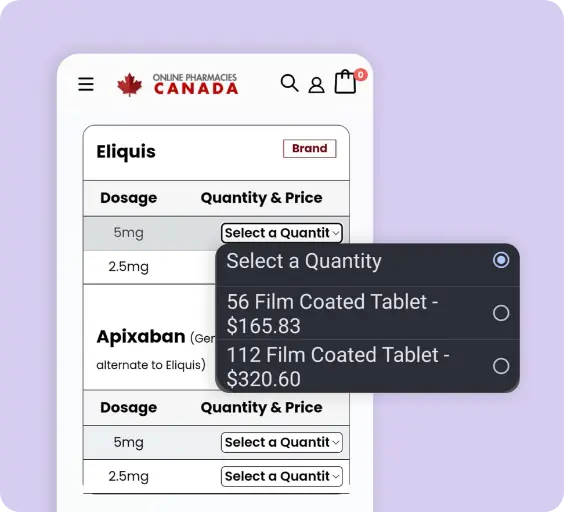
* This price includes a dispensing fee, medical review fee, and packing fee.
Shipped and delivered directly to your doorstep
Niaspan (active ingredient: niacin) is a prescription medication used to help improve unhealthy levels of fats in the blood, including cholesterol and triglycerides.
Niaspan is an extended-release form of niacin, also known as vitamin B3. It is generally used together with a cholesterol-lowering diet and other lifestyle measures recommended by your healthcare provider.
Niaspan may be used to treat primary hyperlipidemia and mixed dyslipidemia, conditions in which one or more types of blood fats are outside the healthy range.
It may help:
Improving these blood fat levels may help reduce the buildup of fatty deposits inside the arteries.
Niaspan may also be used in people with very high triglyceride levels.
Triglycerides are a type of fat found in the blood. Extremely high levels can increase the risk of health problems, including inflammation of the pancreas.
Niaspan helps reduce the amount of triglycerides circulating in the bloodstream as part of an overall treatment plan that may also include dietary changes.
Niaspan may be used in certain people who have high cholesterol and a history of myocardial infarction, commonly called a heart attack.
In these patients, niacin has historically been used as part of lipid-lowering treatment to help reduce the risk of another nonfatal heart attack.
Your healthcare provider will decide whether Niaspan is appropriate based on your cholesterol levels, cardiovascular history, and other medications.
Niaspan may also be used as part of treatment for people with coronary artery disease and high cholesterol.
Atherosclerosis develops when cholesterol and other substances build up inside artery walls, forming plaques that can narrow the arteries and reduce blood flow.
When used as part of an appropriate cholesterol-lowering treatment plan, Niaspan may help improve lipid levels associated with the progression of atherosclerosis.
Niaspan belongs to a group of medications known as lipid-modifying agents.
Niacin affects the way the liver produces and processes certain fats. It can reduce the production of triglyceride-rich particles and lower the amount of LDL cholesterol circulating in the blood.
At the same time, niacin can increase HDL cholesterol levels.
As a result, Niaspan may help:
Niaspan is intended to be used along with dietary changes, not as a replacement for them.
Your healthcare provider may recommend a diet that limits saturated fat and cholesterol while including foods that support cardiovascular health.
Regular physical activity, maintaining a healthy weight, and avoiding smoking may also be important parts of managing cholesterol and triglyceride levels.
Having unhealthy cholesterol or triglyceride levels can contribute to atherosclerosis, in which fatty deposits gradually accumulate inside the arteries.
Over time, narrowed or damaged arteries can increase the risk of cardiovascular problems, including heart attack and stroke.
Controlling blood lipid levels is one part of reducing this risk.
Niaspan is an extended-release tablet taken by mouth, usually once daily at bedtime.
Take Niaspan with a low-fat meal or snack unless your healthcare provider gives you different instructions. Taking it on an empty stomach may increase the chance of side effects such as flushing, nausea, or stomach upset.
Swallow Niaspan tablets whole with water.
Do not crush, chew, or break the tablets. Damaging the extended-release tablet can cause too much niacin to be released at once, which may increase the risk of side effects.
Take Niaspan at approximately the same time every day.
Continue taking the medication regularly, even if you feel well. High cholesterol and triglyceride levels often do not cause noticeable symptoms, so you may not feel any different while the medication is working.
Do not stop taking Niaspan without speaking with your healthcare provider.
Flushing is a common side effect of niacin. It may cause warmth, redness, itching, or tingling of the skin, especially on the face and upper body.
To help reduce flushing, avoid the following near the time you take Niaspan:
Your healthcare provider may also recommend taking aspirin or another appropriate medication before Niaspan to help reduce flushing. Do not start aspirin or ibuprofen for this purpose unless your healthcare provider says it is appropriate for you.
Tell your healthcare provider about all the medications you take, including prescription drugs, over-the-counter medicines, vitamins, and supplements.
Niaspan may interact with other cholesterol-lowering treatments, including bile acid-binding resins and certain other lipid-lowering medications.
If you take a bile acid-binding resin, your healthcare provider may tell you to separate the timing of the two medications.
If you stop taking Niaspan for an extended period, do not automatically restart at your previous dose.
Your healthcare provider may need to restart you at a lower dose and gradually increase it again. This can help reduce the risk of flushing and other side effects.
Always talk to your healthcare provider before restarting Niaspan after a break in treatment.
Niaspan (Niacin Extended Release) is available in the following forms and strength:
Niaspan can affect liver function and should be used carefully in people with liver disease or a history of heavy alcohol use.
Your healthcare provider may order liver function tests before and during treatment. Contact your healthcare provider if you develop yellowing of the skin or eyes, dark urine, severe tiredness, or persistent nausea.
People with kidney problems may need closer monitoring while taking Niaspan.
Tell your healthcare provider if you have kidney disease before starting treatment so they can determine whether Niaspan is appropriate for you.
Niaspan may interact with other medications, including blood thinners, cholesterol-lowering medicines, and diabetes medications.
Tell your healthcare provider about all prescription drugs, over-the-counter medicines, vitamins, and supplements you take.
Flushing is one of the most common side effects of Niaspan. It may cause warmth, redness, itching, or tingling of the skin, especially on the face and upper body.
Flushing is usually not dangerous, but it can be uncomfortable. Avoiding alcohol, hot drinks, and spicy foods around the time you take Niaspan may help reduce this effect.
Niaspan may increase blood sugar levels, which can be especially important for people with diabetes.
If you have diabetes, your healthcare provider may recommend more frequent blood sugar monitoring. Your diabetes medication may also need to be adjusted if your blood sugar levels change.
Niaspan may increase the amount of uric acid in your blood.
High uric acid levels can trigger gout in some people. Tell your healthcare provider if you have a history of gout, joint swelling, or sudden severe joint pain.
If you are pregnant, planning to become pregnant, or breastfeeding, talk to your healthcare provider before taking Niaspan.
Your healthcare provider will consider the reason for treatment and the potential benefits and risks before deciding whether Niaspan is appropriate.
Use Niaspan carefully if you have a history of stomach ulcers or bleeding problems.
Tell your healthcare provider if you develop severe stomach pain, unusual bleeding, black stools, or blood in your stool.
Niaspan may cause dizziness or lightheadedness, particularly when you stand up quickly.
Rise slowly from sitting or lying down. Avoid driving or operating machinery until you know how Niaspan affects you.
Drinking alcohol may increase the risk of liver problems and flushing while taking Niaspan.
Tell your healthcare provider if you regularly drink alcohol or have a history of heavy alcohol use.
Niaspan may occasionally cause blurred vision or other changes in eyesight.
Tell your healthcare provider if you notice new or worsening vision problems while taking the medication.
Niaspan may rarely cause muscle pain, tenderness, or weakness. The risk can be higher when niacin is taken with certain other cholesterol-lowering medications.
Contact your healthcare provider if you develop unexplained muscle pain or weakness, especially if it is severe or accompanied by unusual tiredness or dark urine.
Your healthcare provider may order blood tests during Niaspan treatment to monitor:
Regular monitoring helps make sure Niaspan is working safely and effectively.
The safety of Niaspan during pregnancy and breastfeeding has not been fully established. If you are pregnant, planning to become pregnant, or breastfeeding, talk to your healthcare provider before taking Niaspan. Your provider can help weigh the potential benefits of treatment against any possible risks.
Yes. Niaspan may interact with certain medications, including blood thinners, diabetes medications, and other cholesterol-lowering drugs. Tell your healthcare provider about all the medications you take, including prescription drugs, over-the-counter medicines, vitamins, and supplements. This helps reduce the risk of unwanted interactions.
Take Niaspan exactly as prescribed by your healthcare provider. It is usually taken once daily at bedtime, with a low-fat meal or snack. Swallow the tablet whole with water. Do not crush, chew, or break the tablet because Niaspan is an extended-release medication. Damaging the tablet can cause the medication to be released too quickly and may increase the risk of side effects. Try to take Niaspan at the same time each day for the best and most consistent results.
| Generic name: | Niacin Extended Release |
|---|---|
| Formulation: | ER Tablet |
| Strength(s): | 375mg |
| Quantities Available: | 140 |
Our online Canadian Pharmacy is known for high standards of quality, safety, and efficiency when it comes to medications.
Our pharmacy offers lower prices on prescription drugs compared to traditional pharmacies.
When ordering Niaspan (niacin extended-release) from a Canadian pharmacy, you can typically purchase up to a 90-day supply at one time, which is common for prescription medications to ensure adequate management of chronic conditions without frequent refills.
Here’s what you need to know:
Dosage and Quantity: Niaspan is available in various strengths, including 375 mg. It is commonly prescribed to be taken once daily, usually at bedtime. For a 90-day supply, the quantity will depend on your specific dosage.
For example, if you are prescribed 375 mg once daily, for a 90-day supply, you would order 90 tablets (90 days x 1 tablet per day).
Yes, we sell niacin extended-release on our website, and you can enjoy low prices. However, to purchase niacin extended-release, you will need a valid prescription from your healthcare provider. We require this to dispense the medication safely and appropriately. You can provide your prescription by mailing, faxing, or uploading it through your online account.
Yes, we ship Niaspan (niacin extended release) to both the United States and Puerto Rico.
Online Pharmacies Canada has provided information from third parties intended to increase awareness and does not contain all the information about Niaspan (Niacin Extended Release). Talk to your doctor or other qualified medical practitioners for medical attention or advice, or if you have any concerns about Niaspan (Niacin Extended Release).
REVIEWS