Flamazine Cream (Silver sulfadiazine) Shopper Approved

Prescription Prescription Required FormationFormulation: Cream

Flamazine Cream

(Brand Option)

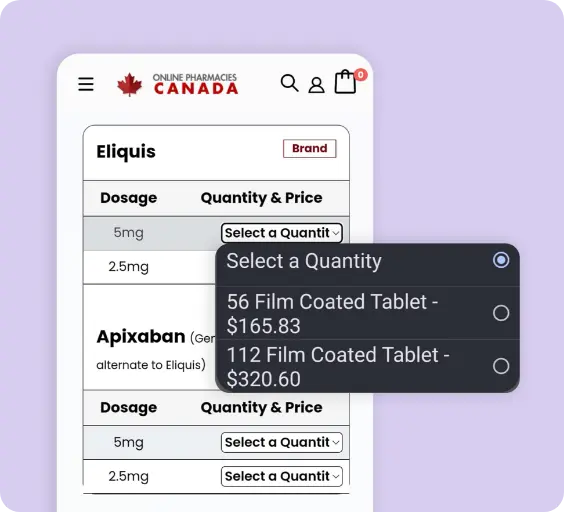
Select the prescribed dosage

Select the quantity to see the price.

  *  
Prescription Prescription Required FormationFormulation: Cream

Silver sulfadiazine

We don't sell this generic-version medication.

Select the quantity to see the price.

  *  
delivery

* This price includes a dispensing fee, medical review fee, and packing fee.

delivery

Shipped and delivered directly to your doorstep

Flamazine Cream (silver sulfadiazine) is a prescription topical antimicrobial medication used to prevent and treat bacterial infections in burns, skin grafts, and certain types of wounds.

Flamazine Cream contains silver sulfadiazine 1%, an antimicrobial ingredient that helps kill bacteria and prevent them from multiplying in damaged skin.

When the skin becomes burned, injured, or damaged, it loses some of its natural ability to protect the body against harmful microorganisms. Bacteria may enter the affected area and cause an infection, potentially delaying wound healing.

Flamazine Cream helps reduce the number of susceptible bacteria in wounds and provides antimicrobial protection during treatment.

It is particularly used for serious burns, including second-degree and third-degree burns, where preventing wound infections is an important part of medical care.

The Canadian product monograph also lists skin grafts, incisions, leg ulcers, abrasions, and other wounds among its approved uses. 

Treatment of Burn Wounds

Flamazine Cream is used to prevent and treat bacterial infections in patients with serious burn injuries.

Burns occur when the skin is damaged by heat, hot liquids, flames, chemicals, electricity, or other sources.

The severity of a burn depends on how deeply the injury affects the skin and underlying tissues.

Severe burns can damage the skin’s protective barrier, making it easier for bacteria to enter the wound.

Flamazine Cream helps control bacterial growth in the affected area and reduce the risk of wound infections.

It may be used for the following types of burns:

  • Second-Degree Burns: These burns affect the outer skin layer and part of the underlying dermis. They may cause blisters, redness, swelling, and significant pain. Flamazine Cream may be used for selected second-degree burns when antimicrobial treatment is appropriate.
  • Third-Degree Burns: These burns destroy the full thickness of the skin and may damage deeper tissues. The affected area may appear white, brown, black, or leathery. Flamazine Cream may be used as part of specialist wound care to help prevent or treat bacterial infections.
  • Extensive Burn Injuries: Large burns create a greater risk of infection because they damage a significant portion of the skin’s protective barrier. Flamazine Cream may be included in a treatment plan supervised by a burn-care specialist.
  • Burn Wounds at Risk of Infection: Certain wounds may require antimicrobial treatment when bacteria are present or infection is strongly suspected.

Flamazine Cream has antimicrobial activity against various bacteria that may infect damaged skin.

These include certain Gram-positive and Gram-negative bacteria, such as Staphylococcus aureus and Pseudomonas aeruginosa.

However, not every burn requires silver sulfadiazine treatment.

For minor burns, modern wound dressings and other treatments may be preferred because silver sulfadiazine can sometimes delay wound healing compared with alternative approaches.

Serious or deep burns require prompt medical evaluation. Flamazine Cream should not replace appropriate burn care, wound cleaning, surgical treatment, or skin grafting when needed.

Treatment of Skin Grafts and Donor Sites

Flamazine Cream may also be used to treat or prevent infections associated with skin grafts and certain donor-site wounds.

A skin graft is a surgical procedure in which healthy skin is moved from one part of the body to another to cover an area where skin has been damaged or lost.

Skin grafting may be necessary after severe burns, traumatic injuries, or certain surgical procedures.

The area where healthy skin is removed is called the donor site, while the area receiving the transplanted skin is called the graft site.

Both areas require careful wound care because the skin’s protective barrier has been disrupted.

Flamazine Cream may help protect susceptible wounds against bacterial infection when prescribed by a healthcare provider.

Potential benefits include:

  • Reduces Bacterial Growth: Helps control susceptible bacteria that may enter damaged tissues.
  • Treats Localized Wound Infections: Provides antimicrobial activity in wounds where susceptible bacteria are present.
  • Supports Infection Management: Helps reduce the bacterial burden as part of an appropriate wound-care plan.
  • Protects Vulnerable Tissue: May provide antimicrobial coverage while damaged skin is being treated.
  • Supports Graft Care: May be used when your healthcare provider determines that antimicrobial treatment is needed around skin grafts.

However, Flamazine Cream is not appropriate for every skin graft or donor site.

Silver sulfadiazine may interfere with healing in certain wounds, and its use directly on newly grafted tissue should be determined by the surgical or wound-care team.

Your healthcare provider will choose the most suitable dressing and antimicrobial treatment based on the condition of the wound and stage of healing.

Treatment of Leg Ulcers and Other Wounds

Flamazine Cream may also be prescribed for certain leg ulcers, surgical incisions, abrasions, and other skin wounds.

Leg ulcers are open wounds that develop on the lower legs and may take a long time to heal.

They can be associated with poor blood circulation, vein problems, diabetes, or other underlying medical conditions.

When bacteria infect these wounds, additional inflammation and tissue damage may occur.

Flamazine Cream may help control susceptible bacteria when antimicrobial treatment is necessary.

It may also be considered for selected cuts, abrasions, and surgical wounds that require antimicrobial care.

However, Flamazine Cream should not be routinely applied to every minor cut or wound. Unnecessary antimicrobial use may provide little benefit and can increase the risk of irritation or delayed healing.

Your healthcare provider will determine whether the wound requires an antimicrobial medication, a protective dressing, or another treatment approach.

How Does Flamazine Cream Work?

Flamazine Cream contains silver sulfadiazine, a topical antimicrobial medication that combines silver with sulfadiazine.

Silver has antimicrobial properties, while sulfadiazine belongs to a group of antibacterial medications called sulfonamides.

Silver sulfadiazine works mainly at the surface of damaged skin, where it helps kill susceptible bacteria and limit microbial growth.

Its antibacterial action differs from that of ordinary oral antibiotics.

Damages Bacterial Cell Structures

Silver sulfadiazine acts on important structures within bacterial cells.

When the cream is applied to a wound, silver-containing compounds interact with bacteria present in the affected area.

These interactions can damage the bacterial cell wall and cell membrane, disrupting the structures that help bacteria maintain their shape and function.

As these structures become damaged, bacteria may lose their ability to survive.

This antibacterial action helps reduce the number of susceptible microorganisms in the wound.

Interferes With Bacterial Survival

Silver ions released from silver sulfadiazine can interfere with essential bacterial processes.

These include the activity of certain proteins and enzymes that bacteria need to function normally.

Disrupting these processes can damage bacterial cells and prevent them from surviving.

By acting against susceptible bacteria, Flamazine Cream helps control the microbial burden in damaged skin. 

Provides Broad Antimicrobial Activity

Silver sulfadiazine has activity against many Gram-positive and Gram-negative bacteria.

These include microorganisms that may cause infections in burns and other open wounds.

Examples include:

  • Staphylococcus aureus: A bacterium commonly found on the skin that may cause wound infections.
  • Pseudomonas aeruginosa: A bacterium that can cause serious infections in burn wounds and other damaged tissues.
  • Escherichia coli: A bacterium that may contribute to certain wound infections.
  • Klebsiella Species: Bacteria that may cause infections in people with significant tissue damage.

Silver sulfadiazine also has activity against some yeast organisms.

However, susceptibility varies, and Flamazine Cream cannot treat every type of wound infection.

Severe infections may require oral or intravenous antibiotics, surgical treatment, or other medical interventions.

Helps Prevent Wound Infections

Healthy skin acts as a protective barrier that prevents harmful microorganisms from entering the body.

Burns, cuts, and surgical wounds can damage this barrier.

When bacteria enter damaged skin, they may multiply and cause infection.

Flamazine Cream helps reduce susceptible bacteria in the affected area, which may lower the risk of bacterial wound infections.

Preventing infection is important because wound infections can contribute to complications and interfere with recovery.

However, Flamazine Cream does not directly rebuild damaged skin or guarantee faster healing. Its primary role is controlling susceptible microorganisms.

How Long Does Flamazine Cream Take to Work?

Flamazine Cream begins providing antimicrobial activity after application.

However, the time needed for a wound to improve depends on several factors, including the depth of the injury, the amount of damaged tissue, and whether an infection is present.

For example, a superficial wound may heal relatively quickly, while a deep burn may require several weeks of treatment, specialized dressings, or surgery.

Flamazine Cream helps manage bacterial contamination and infection, but it does not immediately relieve all symptoms or repair damaged skin.

Your healthcare provider will monitor the wound for signs of improvement, including reduced infection-related inflammation, healthier wound tissue, and appropriate healing progress.

If the wound becomes more painful, develops increasing redness, produces pus, or causes a fever, contact your healthcare provider promptly.

Important Information About Flamazine Cream

Flamazine Cream is intended for external use on the skin only.

The cream should be applied to affected wounds according to your healthcare provider’s instructions, often as part of a supervised wound-care plan.

Do not use Flamazine Cream if you are allergic to silver sulfadiazine or any other ingredient in the formulation.

Tell your healthcare provider if you have a history of sulfonamide allergies, kidney disease, liver disease, or glucose-6-phosphate dehydrogenase (G6PD) deficiency.

Flamazine Cream should not be used in premature infants or newborns during the first months of life. It is also contraindicated near the end of pregnancy because sulfonamides may increase the risk of complications affecting a newborn.

Rare but serious skin reactions, including Stevens-Johnson syndrome and toxic epidermal necrolysis, have been reported with silver sulfadiazine.

Flamazine Cream helps prevent and treat certain bacterial wound infections, particularly in serious burns and selected skin graft or wound-care situations. It should be used under medical supervision because the most appropriate treatment depends on the type of wound and stage of healing.

Flamazine Cream is a prescription topical antimicrobial medication used to prevent and treat bacterial infections in burn wounds and certain other skin injuries.

Flamazine Cream contains silver sulfadiazine, an antimicrobial ingredient that helps kill susceptible bacteria and prevent their growth in damaged skin.

The medication is applied directly to the affected skin, where it helps control bacterial contamination and reduce the risk of wound infections.

Flamazine Cream is usually applied once or twice daily, depending on the severity of your burn, the condition of your wound, and your healthcare provider’s instructions.

Your healthcare provider will determine the appropriate amount, application frequency, and treatment duration.

Always use Flamazine Cream exactly as prescribed. Do not apply more or less medication than recommended or change your treatment schedule without medical advice.

How to Apply Flamazine Cream

Follow these general steps when applying Flamazine Cream. Serious burns and complex wounds should be cleaned and treated by trained healthcare professionals.

  1. Wash your hands: Clean your hands thoroughly with soap and water before handling the medication or touching the affected area.
  2. Prepare a clean application area: Gather the prescribed cream, sterile disposable gloves, and any wound dressings recommended by your healthcare provider.
  3. Clean the burn wound: Gently clean the affected area according to your healthcare provider’s instructions. Do not scrub damaged skin or use harsh soaps, alcohol, or hydrogen peroxide unless specifically directed.
  4. Remove loose wound debris if instructed: Your healthcare provider may recommend removing loose dead skin or wound debris during dressing changes. Do not pull away attached skin, break blisters, or attempt to remove deeply damaged tissue yourself.
  5. Put on sterile disposable gloves: Wear sterile gloves when applying Flamazine Cream to reduce the risk of introducing bacteria into the wound.
  6. Apply the cream: Gently spread Flamazine Cream over the affected area, creating an even layer approximately 1/16 inch (1.5–2 mm) thick, unless your healthcare provider recommends otherwise.
  7. Cover the entire treatment area: Make sure the prescribed wound surface is covered with cream. Avoid rubbing or applying excessive pressure to damaged tissue.
  8. Reapply when necessary: If the cream is accidentally removed during movement, bathing, or dressing changes, reapply it as directed to maintain coverage.
  9. Use a dressing if recommended: Your healthcare provider will determine whether the wound should remain uncovered or be protected with an appropriate sterile dressing.
  10. Dispose of used supplies safely: Remove your gloves carefully, discard used materials according to your wound-care instructions, and wash your hands thoroughly.
  11. Follow your application schedule: Apply Flamazine Cream once or twice daily, or as directed by your healthcare provider.
  12. Monitor the wound: Check for increasing redness, swelling, pain, discharge, or other signs of infection. Contact your healthcare provider if the wound becomes worse.

How Much Flamazine Cream Should I Apply?

The amount of Flamazine Cream needed depends on the size and location of the affected wound.

The cream is commonly applied in a layer approximately 1/16 inch (1.5–2 mm) thick over the prescribed treatment area.

This helps maintain contact between the antimicrobial medication and the wound surface.

Apply enough cream to cover the entire affected area evenly.

Do not apply excessive amounts or spread the medication onto large areas of healthy skin unless directed by your healthcare provider.

When treating extensive burns, your healthcare team may calculate the amount required based on the wound’s surface area and the severity of the injury.

Large burns may also require specialized wound dressings, fluid replacement, pain management, or surgical care.

How Often Should I Apply Flamazine Cream?

Flamazine Cream is generally applied once or twice daily.

Your healthcare provider may recommend a different schedule depending on the type of wound, the amount of drainage, and whether an infection is present.

For burn wounds, the treated area may need to remain covered with a layer of antimicrobial cream between scheduled applications.

If the cream becomes displaced or is removed, your healthcare provider may instruct you to reapply it to the uncovered area.

Do not increase the number of applications without medical advice.

Using excessive amounts may increase the absorption of silver sulfadiazine, particularly when applied to large or deeply damaged skin areas.

Important Tips When Using Flamazine Cream

Clean the Wound Before Applying the Cream

Proper wound cleaning helps remove dirt, drainage, and loose debris that may interfere with treatment.

Your healthcare provider may recommend cleaning the burn during daily dressing changes.

Use the wound-cleaning solution and technique recommended for your injury.

Avoid scrubbing, picking, or peeling damaged skin because this may cause additional tissue injury.

Some burns require professional removal of dead tissue, a process called debridement.

Do not attempt to perform debridement yourself unless you have received specific instructions and training.

Use Sterile Gloves During Application

Using sterile disposable gloves helps reduce the risk of introducing harmful bacteria into an open wound.

Burned skin has a damaged protective barrier, making it more vulnerable to bacterial contamination.

Always follow appropriate hygiene practices when handling the cream, applicators, and wound dressings.

Avoid touching the wound with unwashed hands or allowing the medication container to contact the injured skin.

If you need help applying Flamazine Cream to a large or difficult-to-reach area, ask your healthcare provider for guidance.

Keep the Affected Area Covered as Directed

For certain burn injuries, your healthcare provider may recommend keeping the wound covered with a layer of Flamazine Cream between applications.

If the medication is accidentally wiped away, reapply it according to your treatment instructions.

However, the wound should not automatically be kept covered with Flamazine Cream throughout every stage of healing.

Your healthcare provider may change your wound-care treatment as new skin develops because silver sulfadiazine may delay healing in some wounds.

Do not continue using Flamazine Cream after your healthcare provider has recommended switching to another dressing or treatment.

Avoid Applying Flamazine Cream to Sensitive Areas

Flamazine Cream is intended for external use on the skin only.

Avoid contact with your eyes, mouth, and other sensitive tissues.

If the medication accidentally enters your eyes, rinse them thoroughly with clean water.

Contact your healthcare provider if irritation continues.

Do not apply Flamazine Cream inside your mouth, nose, or other body openings unless specifically instructed by a healthcare professional.

Do Not Use Flamazine Cream on Young Infants

Flamazine Cream should not be used in premature infants or newborn babies younger than two months.

Silver sulfadiazine contains a sulfonamide component that may increase the risk of bilirubin-related complications in very young infants.

In particular, sulfonamides may contribute to kernicterus, a serious condition involving bilirubin buildup that can damage the brain.

If your baby has a burn injury, seek medical evaluation rather than applying Flamazine Cream without professional guidance.

Older children should use the medication only when prescribed, with dosing and wound care determined by a healthcare provider.

What Should I Do If I Miss an Application?

If you forget to apply Flamazine Cream, apply the usual amount as soon as you remember.

Continue with your regular application schedule unless your healthcare provider gives you different instructions.

Do not apply a double amount of cream to make up for a missed application.

If the wound has been left uncovered for an extended period, follow your healthcare provider’s instructions about cleaning it and reapplying the medication.

For serious burns, maintaining an appropriate wound-care schedule is important because damaged skin is more vulnerable to infection.

How Long Should I Use Flamazine Cream?

The length of treatment depends on the type of wound, the severity of the injury, and how well the affected skin is healing.

For burn wounds, your healthcare provider may recommend continued antimicrobial treatment while the wound requires infection protection.

However, Flamazine Cream should not automatically be continued until the wound has completely healed.

Silver sulfadiazine may delay wound healing in certain situations, particularly when new skin is forming.

Your healthcare provider will regularly assess the condition of the wound and determine whether another dressing or treatment is more appropriate.

Do not stop or extend treatment without discussing your wound-care plan with your healthcare provider.

How Should I Store Flamazine Cream?

Store Flamazine Cream between 8°C and 25°C (46°F and 77°F), according to the Canadian product monograph.

Keep the medication in its original container to protect it from light.

To maintain sterility, the Canadian manufacturer’s instructions state that 500 g jars should be discarded 24 hours after opening and tubes should be discarded 7 days after opening.

Keep Flamazine Cream away from children and pets.

An important safety precaution is that fabrics that have come into contact with Flamazine Cream may catch fire more easily. Avoid smoking, open flames, and other ignition sources around treated wounds, dressings, bedding, and clothing. 

When to Contact Your Healthcare Provider

Contact your healthcare provider if your burn becomes more painful, develops increasing redness or swelling, produces pus, or begins to have an unpleasant odor.

You should also seek medical advice if the wound does not show expected healing progress or if you experience persistent skin irritation during treatment.

Stop using Flamazine Cream and seek urgent medical attention if you develop an unusual widespread rash, blistering, peeling skin, or painful sores inside your mouth.

Seek emergency medical attention if you experience difficulty breathing, swelling of your face or throat, or other signs of a severe allergic reaction.

Deep burns, large burns, chemical or electrical burns, and burns involving the face, hands, feet, genitals, or major joints require prompt medical assessment.

Important Dosage Clarification

The Canadian Flamazine 1% Cream product monograph specifies applying the cream to a depth of 3–5 mm, with reapplication at least every 24 hours or more frequently when wound drainage is heavy. This differs from the thinner 1/16-inch layer stated earlier. For Canadian Flamazine, follow the product-specific 3–5 mm instructions or your healthcare provider’s wound-care directions. 

Always use Flamazine Cream exactly as prescribed. Proper wound cleaning, sterile application, consistent coverage, and regular wound assessment can help control bacterial infections while supporting appropriate burn care.

Common Side Effects of Flamazine Cream (Silver Sulfadiazine):

  • Burning feeling on the treated area
  • Itching or skin rash
  • Pain

Serious Side Effects of Flamazine Cream (Silver Sulfadiazine):

  • Aching joints
  • Blood in urine
  • Fever
  • Skin rash
  • Sore throat
  • Unusual bleeding or bruising
  • Unusual weakness or tiredness
  • Yellowing of the skin or eyes

Flamazine Cream (Silver Sulfadiazine) is available in the following forms and strength:

Flamazine Cream: Cream

  • 1%

Before using Flamazine Cream, tell your healthcare provider about any medical conditions, allergies, and medications you are taking.

Flamazine Cream is a topical antimicrobial medication used to prevent and treat bacterial infections in burn wounds and certain other skin injuries.

Although Flamazine Cream is applied directly to the skin, some silver and sulfadiazine may enter your bloodstream, particularly when the medication is applied to large or severely damaged areas.

This may increase the risk of side effects, especially in people with kidney disease, liver problems, blood disorders, or certain medication allergies.

Follow your healthcare provider’s instructions carefully and use Flamazine Cream only for the recommended treatment period.

Allergic Reactions and Sulfonamide Allergies

Do not use Flamazine Cream if you are allergic to silver sulfadiazine or any other ingredient in the medication.

Silver sulfadiazine contains a sulfonamide component, so it is particularly important to tell your healthcare provider if you have previously experienced an allergic reaction to sulfonamide antibiotics, sometimes called sulfa drugs.

A history of sulfonamide allergy requires careful evaluation because some reactions can be serious.

Possible symptoms of an allergic reaction include:

  • Skin Rash: Red, itchy, or inflamed patches may develop.
  • Hives: Raised, itchy bumps may appear on your skin.
  • Swelling: Your face, lips, tongue, or throat may become swollen.
  • Breathing Problems: You may experience wheezing, chest tightness, or difficulty breathing.
  • Dizziness: Severe allergic reactions may cause lightheadedness or fainting.

Flamazine Cream may also cause rare but serious skin reactions, including Stevens-Johnson syndrome and toxic epidermal necrolysis.

Warning signs include a rapidly spreading rash, painful blisters, peeling skin, fever, or sores inside the mouth or around the eyes.

Stop using Flamazine Cream and seek emergency medical attention if you develop difficulty breathing, swelling of your throat, widespread blistering, or peeling skin.

Tell your healthcare provider about any previous medication allergies before beginning treatment.

Pregnancy and Breastfeeding

Tell your healthcare provider if you are pregnant, planning to become pregnant, or breastfeeding before using Flamazine Cream.

Silver sulfadiazine may enter your bloodstream when applied to damaged skin, particularly when treating extensive burns.

The medication contains a sulfonamide component that may pose risks during pregnancy.

Flamazine Cream is generally avoided during pregnancy unless your healthcare provider determines that treatment is necessary.

It is particularly important to avoid silver sulfadiazine near the end of pregnancy because sulfonamides may increase the risk of bilirubin-related complications in newborns.

These complications can include kernicterus, a serious condition in which excessive bilirubin affects the baby’s brain.

If you are pregnant and have a serious burn injury, seek medical attention promptly. Your healthcare provider will determine the safest and most appropriate wound treatment.

If you are breastfeeding, tell your healthcare provider before using Flamazine Cream.

It is not known exactly how much silver sulfadiazine from topical treatment may enter breast milk. However, sulfonamide exposure may be especially concerning for premature infants, newborns with jaundice, and babies with glucose-6-phosphate dehydrogenase (G6PD) deficiency.

Your healthcare provider will consider the extent of your burns, the need for antimicrobial treatment, and your baby’s health before recommending the medication.

Do not apply Flamazine Cream to your breasts or nipples while breastfeeding unless specifically instructed by your healthcare provider.

Use in Premature Infants and Young Babies

Flamazine Cream should not be used in premature infants or babies younger than two months of age.

Young infants are more vulnerable to certain side effects of sulfonamide medications because their bodies are still developing.

Silver sulfadiazine may interfere with normal bilirubin handling, increasing the risk of bilirubin-related complications.

Bilirubin is a yellow substance produced when the body breaks down old red blood cells.

When bilirubin builds up to dangerously high levels, it may cause jaundice and, in severe cases, kernicterus.

Premature infants and newborns are particularly vulnerable because their bodies may not process bilirubin efficiently.

If your baby has a burn or another skin injury, seek medical evaluation rather than applying Flamazine Cream without professional guidance.

Older infants and children should also use the medication only when prescribed by a healthcare provider.

Diabetes and Blood Sugar Monitoring

If you have diabetes, tell your healthcare provider before using Flamazine Cream.

Diabetes can affect wound healing, blood circulation, and the body’s response to infection.

People with diabetes may be more likely to develop complications when wounds become infected or fail to heal properly.

Flamazine Cream is not generally known to cause significant changes in blood sugar levels when used as directed. However, serious burns, infections, and other physical stressors may cause blood glucose levels to rise or fluctuate.

If you have diabetes, your healthcare provider may recommend checking your blood sugar more frequently while your wound is healing.

Proper blood sugar management is important because consistently high glucose levels may interfere with wound healing and increase the risk of infection.

Tell your healthcare provider if you notice unusually high or low blood sugar readings, delayed wound healing, or signs of infection.

Do not adjust your diabetes medication without medical advice.

Drug Interactions

Flamazine Cream may interact with certain medications, particularly when large amounts of silver sulfadiazine are absorbed through damaged skin.

Although systemic interactions are less likely with topical application than with oral medications, they may still occur during treatment of extensive burns.

Tell your healthcare provider or pharmacist about all prescription medications, over-the-counter drugs, vitamins, and supplements you use.

Medications and treatments that may require additional consideration include:

  • Other Topical Antimicrobials: Combining several medicated wound products may increase irritation or interfere with the intended wound-care plan.
  • Enzymatic Debridement Products: Silver sulfadiazine may interfere with certain enzymes used to remove dead tissue from wounds, reducing their effectiveness.
  • Certain Diabetes Medications: Significant systemic absorption of sulfadiazine may increase the possibility of interactions with some sulfonylurea medications.
  • Methotrexate: Systemically absorbed sulfonamides may increase the risk of certain adverse effects when combined with methotrexate.
  • Other Medications Affecting Kidney Function: People with severe burns or kidney problems may require additional monitoring when using medications that affect kidney function.

Not everyone will experience a clinically significant interaction.

However, your healthcare provider should review your treatment plan, especially if Flamazine Cream is applied over large areas or used for an extended period.

Do not combine Flamazine Cream with other medicated wound products unless your healthcare provider recommends it.

Skin Irritation and Application Site Reactions

Flamazine Cream may cause mild skin irritation in some people, particularly when applied to damaged or sensitive skin.

Although the medication is intended to prevent and treat bacterial wound infections, some individuals may experience discomfort after application.

Possible reactions include:

  • Burning or Stinging: A temporary burning sensation may occur after applying the cream.
  • Itching: The treated area may become itchy or uncomfortable.
  • Skin Redness: The surrounding skin may appear red or inflamed.
  • Rash: Small bumps or irritated patches may develop.
  • Pain or Tenderness: The affected area may become more sensitive.
  • Contact Dermatitis: Some people may develop an inflammatory reaction to silver sulfadiazine or another ingredient in the cream.

Mild discomfort can occur during wound treatment. However, worsening pain, persistent burning, or a spreading rash may indicate irritation, an allergic reaction, or infection.

Do not scratch or rub the affected area, as this may damage healing tissues.

Contact your healthcare provider if irritation becomes severe or does not improve.

Sun Exposure and Skin Protection

Protect wounds treated with Flamazine Cream from excessive sunlight and ultraviolet (UV) exposure.

Although significant photosensitivity is not a well-established common side effect of silver sulfadiazine, damaged or healing skin can be especially sensitive to sunlight.

Burn wounds may also develop changes in pigmentation during healing.

Excessive sun exposure can worsen redness, irritation, and discoloration in newly healed skin.

Keep healing wounds protected with suitable dressings or clothing, according to your healthcare provider’s instructions.

Avoid tanning beds and prolonged exposure to direct sunlight.

Once the wound has healed, your healthcare provider may recommend sunscreen to help protect the new skin and reduce pigmentation changes.

Do not apply sunscreen directly to an open burn wound unless your healthcare provider recommends it.

Avoid Contact With the Eyes, Nose, and Mouth

Flamazine Cream is intended for external use on the skin only.

Avoid applying the medication inside your eyes, nose, mouth, or other sensitive areas.

These tissues may become irritated when exposed to silver sulfadiazine or other ingredients in the cream.

If Flamazine Cream accidentally gets into your eyes, rinse them immediately with plenty of clean water.

If the medication enters your mouth or nose, rinse the affected area thoroughly.

Contact your healthcare provider if irritation continues after rinsing.

Wash your hands after application unless your hands are the area being treated.

For burns involving the face or areas near the eyes, seek professional wound-care guidance rather than applying the cream yourself.

Silver Absorption and Argyria

Flamazine Cream should be used with caution when treating extensive burns or large areas of damaged skin.

Although the medication acts mainly at the wound surface, some silver may enter your bloodstream.

The amount absorbed may increase when Flamazine Cream is applied to large wounds or used for prolonged periods.

In rare cases, excessive silver accumulation may cause a condition called argyria.

Argyria occurs when silver deposits accumulate in body tissues, causing a blue-grey or slate-grey discoloration of the skin.

Possible signs include:

  • Blue-Grey Skin Color: The skin may develop an unusual greyish or bluish appearance.
  • Persistent Discoloration: Changes in pigmentation may not disappear after treatment stops.
  • Changes Around the Wound: Treated areas may develop unusual color changes that require evaluation.

Argyria is rare but may cause permanent skin discoloration.

Your healthcare provider may recommend limiting treatment duration or monitoring silver exposure when Flamazine Cream is used on extensive burns.

Contact your healthcare provider if you notice unusual blue-grey skin discoloration during treatment. 

Kidney and Liver Problems

Tell your healthcare provider if you have kidney disease or liver problems before using Flamazine Cream.

The kidneys and liver help process and remove substances absorbed into the bloodstream.

When silver sulfadiazine is applied to extensive burns, larger amounts of the medication may enter your body.

People with reduced kidney or liver function may have difficulty eliminating absorbed sulfadiazine.

This can increase the risk of medication-related side effects.

Possible warning signs include reduced urination, unusual swelling, dark urine, yellowing of the skin or eyes, and persistent fatigue.

If you have kidney or liver disease, your healthcare provider may recommend blood tests or additional monitoring during treatment.

Contact your healthcare provider promptly if you develop symptoms suggesting kidney or liver problems.

Glucose-6-Phosphate Dehydrogenase (G6PD) Deficiency

Tell your healthcare provider if you have glucose-6-phosphate dehydrogenase (G6PD) deficiency before using Flamazine Cream.

G6PD deficiency is an inherited condition that makes red blood cells more sensitive to damage from certain medications, infections, and other triggers.

Silver sulfadiazine contains a sulfonamide component that may cause red blood cells to break down in susceptible individuals.

This condition is called hemolysis.

Possible symptoms include:

  • Unusual Fatigue: Feeling suddenly weak or extremely tired.
  • Pale Skin: Your skin may appear paler than usual.
  • Dark Urine: Urine may become brown or unusually dark.
  • Yellowing of the Eyes: Jaundice may develop as red blood cells break down.
  • Shortness of Breath: Reduced red blood cell levels may affect oxygen delivery.

Your healthcare provider will determine whether Flamazine Cream is appropriate or whether another antimicrobial treatment should be used.

Seek prompt medical attention if you develop symptoms of hemolysis.

Low White Blood Cell Count

Flamazine Cream may cause a temporary decrease in white blood cell levels, particularly in people receiving treatment for extensive burns.

This condition is called leukopenia.

White blood cells help your immune system fight bacterial and other infections.

A reduced white blood cell count may make it harder for your body to respond to infection.

Possible symptoms include unexplained fever, persistent sore throat, mouth ulcers, unusual weakness, or frequent infections.

Your healthcare provider may recommend a complete blood count (CBC) to monitor your white blood cell levels during treatment.

In some patients, the reduction is temporary and blood cell levels return to normal without discontinuing the medication. However, your healthcare provider should determine the appropriate response.

Contact your healthcare provider if you develop a fever or other signs of infection. 

Fire and Burn Hazards

An important safety precaution is that clothing, bedding, and dressings contaminated with Flamazine Cream may catch fire more easily.

The Canadian product monograph warns that fabrics exposed to the cream can become a serious fire hazard.

Avoid smoking, open flames, candles, and other ignition sources while using Flamazine Cream.

Keep treated dressings and contaminated clothing away from heat and flames.

Washing clothing and bedding may reduce medication buildup but may not completely remove the increased fire risk.

Follow your healthcare provider’s instructions for handling and disposing of used dressings. 

When to Contact Your Healthcare Provider

Contact your healthcare provider if your burn becomes increasingly painful, develops spreading redness, produces pus, or does not show expected healing progress.

You should also seek medical advice if you experience persistent itching, burning, unusual skin discoloration, dark urine, or signs of infection.

Stop using Flamazine Cream and seek immediate medical advice if you develop a widespread rash, painful blisters, peeling skin, or symptoms suggesting a serious medication reaction.

Seek emergency medical attention immediately if you experience difficulty breathing, swelling of your face or throat, or a severe allergic reaction.

Flamazine Cream helps prevent and treat bacterial infections in burn wounds, but careful use is essential. Following your healthcare provider’s wound-care instructions, monitoring for unusual reactions, and avoiding prolonged or excessive application can help reduce treatment-related risks.

Can I Use Flamazine Cream on an Infected Wound?

Yes, Flamazine Cream may be used to treat certain infected skin wounds, including burn wounds, when recommended by a healthcare provider. Flamazine Cream contains silver sulfadiazine, a topical antimicrobial medication that helps kill susceptible bacteria and prevent them from multiplying in damaged skin. When the skin is burned or injured, its protective barrier becomes damaged. This allows bacteria to enter the wound, potentially causing infection, inflammation, and delayed healing. Flamazine Cream helps reduce the number of susceptible bacteria in the affected area, which may help control localized wound infections. However, not every infected wound is suitable for treatment with Flamazine Cream. Deep infections, spreading skin infections, and serious wound complications may require oral or intravenous antibiotics, surgical cleaning, or other treatments. Signs of a wound infection may include increasing redness, swelling, warmth, pain, pus, unpleasant odor, or fever. Do not use Flamazine Cream to treat an infected wound without medical advice. Your healthcare provider will examine the affected area, determine the cause and severity of the infection, and recommend the most appropriate treatment. Seek prompt medical attention if the infection appears to be spreading or your symptoms become worse.

How Long Should I Use Flamazine Cream?

The length of treatment with Flamazine Cream depends on the type of wound, the severity of the injury, and how well the affected skin responds to treatment. Flamazine Cream is commonly used to prevent or treat bacterial infections in burn wounds and certain other skin injuries. For serious burns, your healthcare provider may recommend continued antimicrobial treatment while the wound requires protection against infection. However, Flamazine Cream should not automatically be used until the wound has completely healed. Silver sulfadiazine may delay healing in certain wounds, particularly when new skin cells are developing. Your healthcare provider may recommend switching to another dressing or treatment as healing progresses. Several factors can affect treatment duration, including the depth of the burn, wound size, presence of infection, and overall health. For example, a relatively small burn may require a shorter treatment period than a large or deep burn that needs specialized medical care. Your healthcare provider will monitor the wound for signs of infection, tissue recovery, and healthy skin development. Do not stop using Flamazine Cream, continue treatment longer than recommended, or change your application frequency without consulting your healthcare provider. If the wound becomes more painful, develops unusual discharge, or does not show expected improvement, contact your healthcare provider.

Can Flamazine Cream Be Used on Deep Burns?

Yes, Flamazine Cream may be used as part of the treatment of deep burn wounds, including certain second- and third-degree burns. Flamazine Cream contains silver sulfadiazine, an antimicrobial ingredient that helps prevent and treat bacterial infections in damaged skin. Deep burns can destroy several layers of skin and damage the tissues underneath. This damage weakens the skin’s protective barrier, increasing the risk of infection and other complications. Flamazine Cream helps control susceptible bacteria on the wound surface. However, it does not repair deeply damaged tissues or replace specialized burn treatment. Third-degree burns, also called full-thickness burns, may require surgical removal of damaged tissue, skin grafting, specialized dressings, and other medical procedures. Silver sulfadiazine may also delay wound healing in some situations, so it is not always the preferred treatment for deep burns. The most appropriate treatment depends on the burn’s depth, location, size, and severity. Deep burns should always be evaluated by a healthcare professional. Do not attempt to treat a third-degree burn at home using Flamazine Cream alone. Seek immediate medical attention for deep burns, extensive burns, or burns involving the face, hands, feet, genitals, or major joints.

Can I Apply Other Medications or Creams on Top of Flamazine Cream?

Do not apply other medications, ointments, or skincare products over Flamazine Cream unless your healthcare provider recommends them. Flamazine Cream contains silver sulfadiazine, a topical antimicrobial medication used to control bacterial growth in damaged skin. Combining several products on the same wound may affect how the medications work or increase the risk of skin irritation. Certain wound-care products may also interact with silver sulfadiazine. For example, silver sulfadiazine may reduce the effectiveness of some enzymatic debridement treatments. These products contain enzymes that help remove dead tissue from wounds. Using Flamazine Cream alongside these treatments may interfere with the enzymes responsible for breaking down damaged tissue. Other topical antibiotics, antiseptics, or medicated creams may also require careful consideration. Your healthcare provider may recommend specific wound dressings or additional treatments depending on the type of injury and stage of healing. Do not apply moisturizers, cosmetic creams, herbal products, or other medications directly over an open burn wound without medical advice. Always follow your prescribed wound-care plan. Your healthcare provider can determine which products can be safely used together and whether they should be applied at different times.

Can I Take Oral Antibiotics With Flamazine Cream?

Yes, oral antibiotics may sometimes be prescribed alongside Flamazine Cream when a wound infection requires additional treatment. Flamazine Cream contains silver sulfadiazine, a topical antimicrobial medication that works mainly on bacteria present in the treated wound. However, topical treatment may not be sufficient when an infection spreads into deeper tissues or affects a larger area of the body. In these situations, your healthcare provider may prescribe oral antibiotics or, for more serious infections, intravenous antibiotics. Oral antibiotics enter your bloodstream and travel throughout your body, allowing them to treat susceptible bacterial infections that cannot be adequately managed with topical medication alone. The need for additional antibiotics depends on the type of bacteria involved, severity of the infection, and your overall health. Flamazine Cream may also interact with certain medications, particularly when large amounts of silver sulfadiazine are absorbed through extensive burn wounds. Tell your healthcare provider about any prescription medications, over-the-counter drugs, or supplements you take before starting treatment. Do not start oral antibiotics or combine them with Flamazine Cream without medical advice. Using antibiotics unnecessarily may increase the risk of side effects and contribute to antibiotic resistance. If your wound develops spreading redness, increasing swelling, worsening pain, fever, or unusual discharge, contact your healthcare provider promptly. These symptoms may indicate an infection that requires additional medical treatment.

REVIEWS

Additional Information Book
Generic name:

Silver sulfadiazine

Formulation:

Cream

Strength(s):

1%

Quantities Available:

20g, 40g, 60g

Why customers love Online Pharmacies Canada

Our online Canadian Pharmacy is known for high standards of quality, safety, and efficiency when it comes to medications.

Our pharmacy offers lower prices on prescription drugs compared to traditional pharmacies.

How to Order

How much Flamazine Cream can I order at once from a Canadian pharmacy?

When ordering Flamazine Cream (silver sulfadiazine) from a Canadian pharmacy, you can typically purchase up to a 90-day supply at one time, which is common for prescription medications to ensure adequate management of chronic conditions without frequent refills.

Here’s what you need to know:

Dosage and Quantity: Flamazine Cream is commonly applied in a thick layer (approximately 3 to 5 mm) to the affected area once or twice daily. The exact quantity you will order for a 90-day supply will depend on the size of the area being treated and the prescribed frequency of application.

Do you sell silver sulfadiazine?

No, we do not sell silver sulfadiazine directly on our website. However, you can still enjoy low prices on Flamazine Cream, which contains silver sulfadiazine as an active ingredient. To purchase Flamazine Cream, you will need a valid prescription from your healthcare provider. We require this prescription to dispense the medication safely and appropriately. You can submit your prescription by mailing it to us, faxing it, or uploading it through your online account.

Do you offer shipping of Flamazine Cream (silver sulfadiazine) to the United States?

Yes, we ship Flamazine Cream (silver sulfadiazine) to both the United States and Puerto Rico.

Discover Our Users' Stories!

Watch how Online Pharmacies Canada is helping customers save money on their medications.

Online Pharmacies Canada Customer Testimonial #4
Online Pharmacies Canada Customer Testimonial #1
Online Pharmacies Canada - Customer Testimonial #2

Online Pharmacies Canada has provided information from third parties intended to increase awareness and does not contain all the information about Flamazine Cream (Silver sulfadiazine). Talk to your doctor or other qualified medical practitioners for medical attention or advice, or if you have any concerns about Flamazine Cream (Silver sulfadiazine).