Emla Cream (Lidocaine/prilocaine) Shopper Approved

Prescription Prescription Required FormationFormulation: Cream

Emla Cream

(Brand Option)

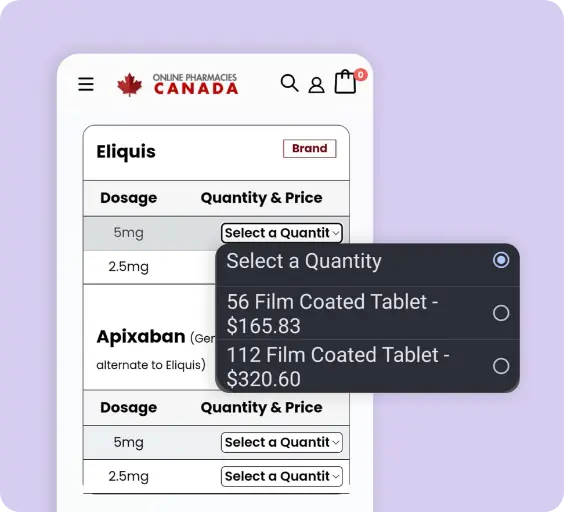
Select the prescribed dosage

Select the quantity to see the price.

  *  
Prescription Prescription Required FormationFormulation: Cream

Lidocaine/prilocaine

(Generic Alternative)

Select the prescribed dosage

Select the quantity to see the price.

  *  
delivery

* This price includes a dispensing fee, medical review fee, and packing fee.

delivery

Shipped and delivered directly to your doorstep

Emla Cream (active ingredients: lidocaine and prilocaine) is a prescription medication used to temporarily numb the skin before certain medical or cosmetic procedures. It is approved for use in adults and children to help reduce pain and discomfort during procedures that involve the skin.

Emla Cream is used to provide local (topical) anesthesia on intact, unbroken skin. It helps make procedures more comfortable by temporarily numbing the area where it is applied.

Your healthcare provider may recommend Emla Cream before procedures such as:

  • Needle insertions, including blood draws and IV placements.
  • Vaccinations or injections.
  • Minor skin surgeries.
  • Laser treatments.
  • Superficial dermatological procedures, such as the removal of small skin lesions.

By numbing the skin before the procedure, Emla Cream helps reduce pain, making the experience more comfortable for both adults and children.

How Does Emla Cream Work?

Emla Cream belongs to a group of medications called local anesthetics.

It contains two active ingredients:

  • Lidocaine, a local anesthetic that blocks pain signals from the nerves.
  • Prilocaine, another local anesthetic that works together with lidocaine to provide more effective and longer-lasting numbness.

After the cream is applied to the skin, the medication penetrates the outer layers and temporarily blocks the nerve signals responsible for transmitting pain to the brain. As a result, the treated area becomes numb, allowing medical or cosmetic procedures to be performed with less discomfort.

Emla Cream does not cause unconsciousness or sedation. It only numbs the specific area where it is applied, while you remain fully awake and aware throughout the procedure.

The numbing effect usually begins within 30 to 60 minutes, depending on the area being treated and the length of time the cream remains on the skin. Your healthcare provider will tell you when to apply the cream before your scheduled procedure to achieve the best results.

Emla Cream is for external use only and should be applied directly to the skin or, when directed by a healthcare provider, to the genital area before certain medical procedures.

Use Emla Cream exactly as prescribed by your healthcare provider. Do not apply it to broken, irritated, infected, or open skin unless your healthcare provider specifically instructs you to do so.

Before applying the cream, wash your hands thoroughly with soap and water. Apply the recommended amount of cream to the treatment area as directed, and wash your hands again after application unless your hands are the area being treated.

When to Apply Emla Cream

The amount of time Emla Cream needs to remain on the skin depends on the type of procedure being performed:

  • For needle insertions, such as blood draws, IV placements, or injections, apply Emla Cream at least 1 hour before the procedure.
  • For minor skin procedures, such as small skin surgeries or certain laser treatments, apply the cream at least 2 hours before the procedure, or as directed by your healthcare provider.

For certain genital procedures, Emla Cream should be applied by a healthcare professional. You may be asked to remain lying down after application to help keep the cream in place until the procedure begins.

Always follow your healthcare provider’s instructions regarding how much cream to use, where to apply it, and how long to leave it on the skin before your procedure. Using more than the recommended amount or leaving it on for longer than directed may increase the risk of side effects.

Common Side Effects of Emla Cream (Lidocaine/Prilocaine):

  • Changes in skin color where the medicine was applied
  • Itching
  • Mild burning where the medicine is applied
  • Rash

Serious Side Effects of Emla Cream (Lidocaine/Prilocaine):

  • Bruising or purple appearance of the skin
  • Confusion, blurred vision, ringing in your ears
  • Severe burning, stinging, or irritation where the medicine was applied
  • Sudden dizziness or drowsiness after medicine is applied
  • Swelling or redness
  • Unusual sensations of temperature

Emla Cream (Lidocaine/Prilocaine) is available in the following forms and strength:

Emla Cream: Cream

  • 5 %
  • 2.5/2.5%

Lidocaine/Prilocaine: Cream

  • 25/25mg

Before using Emla Cream, tell your healthcare provider about your complete medical history, any allergies you have, and all medications you are taking. This helps ensure the medication is safe and appropriate for you.

Allergic Reactions

Do not use Emla Cream if you are allergic to lidocaine, prilocaine, other amide-type local anesthetics, or any of the ingredients in the cream.

Emla also contains inactive ingredients that may cause allergic reactions in some people. Tell your healthcare provider or pharmacist if you have a history of medication allergies before starting treatment.

Seek immediate medical attention if you develop signs of a serious allergic reaction, including:

  • Rash or hives.
  • Severe itching.
  • Swelling of the face, lips, tongue, or throat.
  • Difficulty breathing or swallowing.

Pregnancy and Breastfeeding

If you are pregnant, planning to become pregnant, or breastfeeding, tell your healthcare provider before using Emla Cream.

Your healthcare provider will carefully weigh the potential benefits and risks before recommending this medication. Do not use Emla during pregnancy or while breastfeeding unless it has been prescribed by your healthcare provider.

Methemoglobinemia

Emla should not be used in people with congenital or idiopathic methemoglobinemia, a rare blood disorder that reduces the blood’s ability to carry oxygen.

Emla should also not be used in infants younger than 12 months of age who are receiving medications known to cause methemoglobinemia, as this may increase the risk of serious complications.

Seek immediate medical attention if you or your child develops symptoms such as:

  • Blue, gray, or pale-colored skin.
  • Shortness of breath.
  • Unusual tiredness or weakness.
  • Rapid heartbeat.
  • Dizziness.

Use Only as Directed

Apply Emla Cream only to the amount of skin recommended by your healthcare provider and leave it on for the recommended length of time.

Applying the cream to large areas of skin, using more than the recommended amount, or leaving it on longer than instructed may increase the absorption of lidocaine and prilocaine into the bloodstream. This can increase the risk of serious side effects, including effects on the nervous system and heart.

Always follow your healthcare provider’s instructions regarding the amount of cream to use and how long it should remain on the skin.

Avoid Use in the Ear

Emla Cream should not be used in situations where it could pass through a perforated (ruptured) eardrum and reach the middle ear.

Lidocaine and prilocaine may be toxic to the structures of the inner and middle ear, potentially leading to hearing damage. Do not apply Emla inside the ear unless specifically instructed by a healthcare provider.

Is Emla Cream safe to use?

Yes. Emla Cream is generally considered safe and effective when used exactly as directed by your healthcare provider. To reduce the risk of side effects, apply it only to intact (unbroken) skin, unless your healthcare provider instructs you otherwise, and do not leave it on longer than recommended. Using more cream than prescribed or applying it for too long may increase the amount of medication absorbed into your bloodstream and raise the risk of serious side effects.

How long does Emla Cream take to work?

Emla Cream typically begins to numb the skin within 30 to 60 minutes after application. For many procedures, it is recommended to apply the cream at least 1 hour beforehand to achieve the best numbing effect. Once the cream is removed, the numbing effect usually lasts for 1 to 2 hours, although this may vary depending on the area treated and the length of application.

How do I use Emla Cream?

Apply a thick layer of Emla Cream to the area of skin where the procedure will be performed. If instructed by your healthcare provider, cover the area with an occlusive (airtight) dressing to help the medication penetrate the skin more effectively. Leave the cream on for the amount of time recommended by your healthcare provider—typically at least 1 hour before needle procedures and up to 2 hours before certain minor skin procedures. Follow your healthcare provider’s instructions carefully regarding how much cream to apply and how long to leave it on.

What should I do if I forget to apply Emla Cream?

If you forget to apply Emla Cream before your scheduled procedure, contact your healthcare provider or the clinic performing the procedure as soon as possible. They may need to delay the procedure to allow enough time for the cream to take effect or recommend another option for pain relief. Do not apply extra cream or leave it on longer than instructed to make up for a missed application, as this may increase the risk of side effects.

REVIEWS

Additional Information Book
Generic name:

Lidocaine/Prilocaine, Lidocaine/prilocaine

Formulation:

Cream

Strength(s):

2.5/2.5%, 5%, 25/25mg

Quantities Available:

25g, 30g, 60g, 90g, 100g

Why customers love Online Pharmacies Canada

Our online Canadian Pharmacy is known for high standards of quality, safety, and efficiency when it comes to medications.

Our pharmacy offers lower prices on prescription drugs compared to traditional pharmacies.

How to Order

How much Emla Cream can I order at once from a Canadian pharmacy?

When ordering Emla Cream (lidocaine/prilocaine) from a Canadian pharmacy, you can typically purchase up to a 90-day supply at one time, which is common for prescription medications to ensure adequate preparation for medical procedures without frequent refills.

Here’s what you need to know:

Dosage and Quantity: Emla Cream is typically prescribed in 2.5/2.5% or 5% strengths. For a 90-day supply, the quantity you would order depends on the prescribed amount of cream needed for your specific medical procedures. Your healthcare provider will provide guidance on the appropriate amount to use.

Do you sell lidocaine/prilocaine?

Yes, we sell lidocaine/prilocaine! You can enjoy low prices on this medication by ordering from our website. To place an order, you will need a valid prescription from your healthcare provider, which we require to dispense the medication safely and accurately. You can submit your prescription by mail, fax, or by uploading it through your online account.

Do you offer shipping of Emla Cream (lidocaine/prilocaine) to the United States?

Yes, we ship Emla Cream (lidocaine/prilocaine) to both the United States and Puerto Rico.

Discover Our Users' Stories!

Watch how Online Pharmacies Canada is helping customers save money on their medications.

Online Pharmacies Canada Customer Testimonial #4
Online Pharmacies Canada Customer Testimonial #1
Online Pharmacies Canada - Customer Testimonial #2

Online Pharmacies Canada has provided information from third parties intended to increase awareness and does not contain all the information about Emla Cream (Lidocaine/prilocaine). Talk to your doctor or other qualified medical practitioners for medical attention or advice, or if you have any concerns about Emla Cream (Lidocaine/prilocaine).