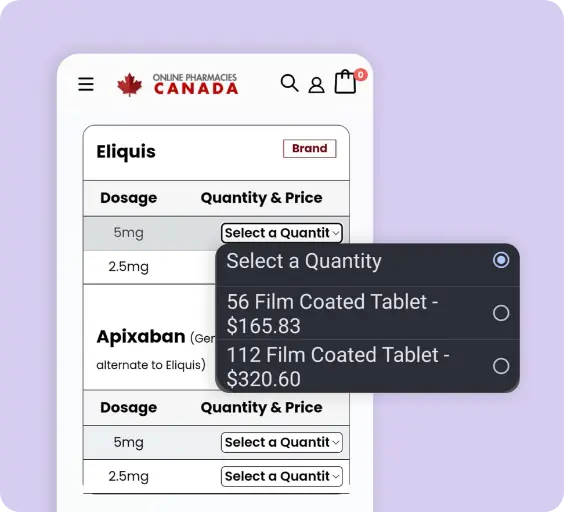
* This price includes a dispensing fee, medical review fee, and packing fee.
Shipped and delivered directly to your doorstep
Clomid (active ingredient: clomiphene citrate) is a prescription medication used to help treat female infertility caused by problems with ovulation.
Ovulation is the process in which an ovary releases an egg that can be fertilized. Some women may ovulate irregularly, ovulate infrequently, or not ovulate at all, which can make it more difficult to become pregnant.
Clomid belongs to a group of medications called selective estrogen receptor modulators (SERMs). It works by helping the body produce the hormones needed to stimulate ovulation and increase the chances of pregnancy.
Clomid is commonly prescribed for women who are having difficulty becoming pregnant due to ovulation problems.
It may be used in women who:
By helping trigger ovulation, Clomid can increase the likelihood of releasing an egg during the menstrual cycle, which may improve the chances of conception.
How Clomid Helps with Fertility
Clomid works by blocking the effects of estrogen in a part of the brain called the hypothalamus, which helps regulate reproductive hormones.
When estrogen receptors are blocked, the body responds by increasing the production of important fertility hormones, including:
The increase in these hormones stimulates the ovaries and promotes ovulation, making pregnancy more likely in women who have difficulty ovulating naturally.
Because Clomid works by encouraging the body’s natural hormonal processes, your healthcare provider may monitor your response to treatment and adjust therapy as needed to achieve the best results.
Clomid is available as an oral tablet and should be taken exactly as prescribed by your healthcare provider. Following the prescribed dosing schedule is important because taking the medication at the wrong time or in the wrong dose may reduce its effectiveness.
Your healthcare provider will tell you how many tablets to take, when to start treatment, and how long to continue taking the medication. Take every dose as directed and do not skip doses. Missing doses may reduce the chance of successful ovulation and decrease the effectiveness of treatment.
Because fertility treatment is carefully timed around your menstrual cycle, it is important to follow your healthcare provider’s instructions closely throughout treatment.
Treatment of Ovulation-Related Infertility
The typical starting dose is:
Your healthcare provider will determine when during your menstrual cycle you should begin treatment.
If ovulation does not occur after the initial treatment cycle, your healthcare provider may increase the dose in future treatment cycles. Any dose adjustments should only be made under medical supervision.
Some women may be more sensitive to Clomid, including those with:
In these situations, your healthcare provider may recommend a lower dose or a shorter treatment duration to reduce the risk of excessive ovarian stimulation and other side effects.
Regular monitoring during treatment may be recommended to assess your response to therapy and determine whether ovulation has occurred. Your healthcare provider may use blood tests, ultrasound examinations, or other assessments to help guide treatment and maximize the chances of a successful pregnancy.
Clomid (Clomiphene) is available in the following forms and strengths:
Clomid may cause dizziness, lightheadedness, or vision changes in some people. Alcohol and marijuana (cannabis) can make these side effects worse. Until you know how Clomid affects you, avoid driving, operating machinery, or performing activities that require clear vision and alertness. If you use marijuana, discuss this with your healthcare provider before starting treatment.
Before taking Clomid, tell your healthcare provider about your complete medical history, especially if you have or have ever had:
These conditions may affect whether Clomid is appropriate for you or require additional monitoring during treatment.
Before starting Clomid, tell your healthcare provider and pharmacist about any allergies you may have. The medication may contain inactive ingredients that can cause allergic reactions or other complications in some people. Seek medical attention immediately if you develop symptoms of a serious allergic reaction, such as rash, itching, swelling, severe dizziness, or difficulty breathing.
Clomid is intended specifically for the treatment of infertility caused by ovulation problems. Do not use this medication for any other medical condition unless directed by your healthcare provider.
Using Clomid for extended periods may increase certain health risks. In general, treatment is often limited to a small number of treatment cycles. Some studies have suggested that prolonged use may be associated with an increased risk of ovarian tumors. Your healthcare provider can discuss your individual risk factors and determine the most appropriate treatment duration for you.
Do not use Clomid if you are already pregnant. Clomid is intended to help stimulate ovulation before pregnancy occurs and should not be used during pregnancy. If you become pregnant during treatment or think you may be pregnant, contact your healthcare provider promptly.
Regular follow-up appointments are important while taking Clomid. Your healthcare provider may monitor your response to treatment, check for ovulation, and evaluate any side effects to help ensure the medication is being used safely and effectively.
Yes. Like all medications, Clomid has potential risks and side effects. One of the most common risks is an increased chance of multiple pregnancies, such as twins or, less commonly, triplets or higher-order multiples. Clomid may also increase the risk of ovarian hyperstimulation syndrome (OHSS), a condition in which the ovaries become enlarged and painful. Symptoms may include pelvic pain, abdominal swelling, nausea, vomiting, and rapid weight gain. Contact your healthcare provider if you experience any of these symptoms. As with any fertility treatment, it is important to discuss the potential benefits and risks with your healthcare provider before starting treatment. Your healthcare provider can explain any risks that may apply specifically to your medical history and fertility goals.
Clomid works by stimulating ovulation. For many women, ovulation occurs approximately 5 to 10 days after completing a treatment cycle, although the exact timing can vary from person to person. Your healthcare provider may recommend ovulation testing, blood tests, ultrasound monitoring, or cycle tracking to help determine when ovulation occurs and maximize the chances of pregnancy.
Clomid is typically taken once daily for 5 consecutive days during a specific part of the menstrual cycle, as directed by your healthcare provider. The number of treatment cycles varies depending on your response to therapy. Long-term treatment is generally not recommended, and your healthcare provider will determine how many treatment cycles are appropriate for your situation. It is important to follow your healthcare provider’s instructions carefully and attend any recommended follow-up appointments so your response to treatment can be monitored and adjustments can be made if needed.
| Generic name: | Clomiphene |
|---|---|
| Formulation: | Scored Tablet, Tablet |
| Strength(s): | 25mg, 50mg, 100mg |
| Quantities Available: | 30, 50, 90 |
Our online Canadian Pharmacy is known for high standards of quality, safety, and efficiency when it comes to medications.
Our pharmacy offers lower prices on prescription drugs compared to traditional pharmacies.
When ordering Clomid (clomiphene citrate) from a Canadian pharmacy, you can typically purchase up to a 90-day supply at one time, which is common for prescription medications to ensure adequate treatment without frequent refills.
Here’s what you need to know:
Dosage and Quantity: Clomid is commonly prescribed in dosages of 50 mg orally once daily for 5 days, usually starting on the fifth day of the menstrual cycle. For a 90-day supply, this means you would order approximately 15 tablets (5 tablets per month x 3 months).
Yes, we sell clomiphene citrate. You can enjoy low prices on this medication when you order from us. You will need a valid prescription from your healthcare provider to purchase clomiphene citrate. We require this to dispense the medication. You can mail, fax, or upload your prescription through your online account.
Yes, we ship Clomid (clomiphene) to both the United States and Puerto Rico.
Online Pharmacies Canada has provided information from third parties intended to increase awareness and does not contain all the information about Clomid (Clomiphene). Talk to your doctor or other qualified medical practitioners for medical attention or advice, or if you have any concerns about Clomid (Clomiphene).
REVIEWS