Ranexa (Ranolazine Er) Shopper Approved

Prescription Prescription Required FormationFormulation: Prolonged Release Tablet

Ranexa

(Brand Option)

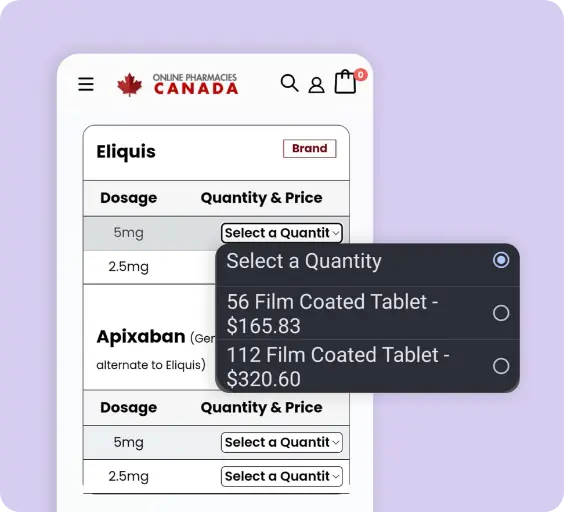
Select the prescribed dosage

Select the quantity to see the price.

  *  
Prescription Prescription Required FormationFormulation: Prolonged Release Tablet

Ranolazine Er

(Generic Alternative)

Select the prescribed dosage

Select the quantity to see the price.

  *  
delivery

* This price includes a dispensing fee, medical review fee, and packing fee.

delivery

Shipped and delivered directly to your doorstep

Ranexa (ranolazine extended-release) is a prescription medication used to treat chronic angina in adults. Chronic angina is a type of chest pain or discomfort that occurs when the heart muscle does not receive enough oxygen-rich blood. This can happen during physical activity, emotional stress, or even at rest in some individuals.

People with chronic angina may experience symptoms such as:

  • Chest pain, pressure, or tightness
  • Discomfort in the shoulders, arms, neck, jaw, or back
  • Shortness of breath
  • Fatigue during physical activity
  • Reduced ability to exercise or perform daily activities

Chronic Angina

Ranexa is used to help reduce the frequency and severity of angina episodes in adults with chronic angina. It is often prescribed when symptoms are not adequately controlled with other heart medications or when additional symptom relief is needed.

Ranexa may be used alone or in combination with other medications commonly prescribed for angina, such as beta-blockers, calcium channel blockers, or nitrates. By helping control symptoms, Ranexa may improve a person’s ability to participate in daily activities and physical exercise with less discomfort.

It is important to note that Ranexa is not intended to treat sudden angina attacks or emergency chest pain. Patients should continue to use any rescue medications prescribed by their healthcare provider for acute angina episodes.

How Ranexa Works

Ranexa belongs to a group of medications known as anti-anginal agents. Unlike some other angina medications that primarily work by lowering heart rate or blood pressure, Ranexa works directly within the heart muscle cells to help the heart use oxygen more efficiently.

By improving the way the heart muscle functions during periods of reduced blood flow, Ranexa helps reduce the strain on the heart and can lessen the frequency of chest pain episodes. This improved efficiency may allow the heart to work better without requiring additional oxygen.

As a result, many people experience:

  • Fewer angina attacks
  • Less chest discomfort
  • Improved exercise tolerance
  • Greater ability to perform daily activities

While Ranexa does not cure coronary artery disease or eliminate the underlying cause of angina, it can be an important part of a long-term treatment plan to help manage symptoms and improve quality of life. Taking Ranexa exactly as prescribed by your healthcare provider can help provide more consistent symptom control and support better day-to-day functioning.

Ranexa should be taken exactly as prescribed by your healthcare provider. It is available as an extended-release oral tablet and is typically taken twice daily, with or without food. To help maintain consistent levels of the medication in your body, try to take your doses at the same times each day.

Because Ranexa is an extended-release tablet, it is important to swallow the tablet whole. Do not crush, split, chew, or break the tablet, as doing so may release too much medication at once and increase the risk of side effects.

Before starting Ranexa, tell your healthcare provider and pharmacist about all medications, vitamins, supplements, and herbal products you use. Certain medications may interact with Ranexa and affect how well it works or increase the risk of side effects.

Always take Ranexa exactly as directed. Do not take more than the prescribed dose, and do not change your dose unless instructed by your healthcare provider. Taking more medication than recommended will not improve your condition faster and may increase the risk of adverse effects.

Recommended Dosages

For adults with chronic angina, the usual starting dose of Ranexa is:

  • 500 mg taken by mouth twice daily

Depending on how well your symptoms are controlled and how you respond to treatment, your healthcare provider may increase the dose to:

  • 1000 mg taken by mouth twice daily

The maximum recommended dose of Ranexa is:

  • 1000 mg twice daily

Your healthcare provider will determine the most appropriate dose based on your symptoms, medical history, and any other medications you may be taking.

Missed Dose

If you miss a dose of Ranexa, skip the missed dose and take your next dose at the regularly scheduled time.

Do not take two doses at the same time or take an extra dose to make up for a missed one. Taking extra medication may increase the risk of side effects.

Important Administration Information

  • Take Ranexa exactly as prescribed by your healthcare provider.
  • Ranexa can be taken with or without food.
  • Swallow the tablets whole; do not crush, chew, or split them.
  • Take the medication at approximately the same times each day.
  • Inform your healthcare provider about all medications and supplements you take.
  • Do not exceed the prescribed dose.
  • Contact your healthcare provider if your angina symptoms worsen or do not improve.

What to Expect During Treatment

Ranexa is generally well tolerated and may help reduce the frequency and severity of angina episodes over time. Many people experience improved exercise tolerance and greater ability to perform daily activities with less chest discomfort. Continue taking Ranexa as prescribed, even if you begin to feel better, unless your healthcare provider instructs you otherwise. Regular follow-up appointments can help ensure the medication is working effectively and that your treatment plan remains appropriate for your needs.

Common Side Effects of Ranexa (Ranolazine Er):

  • Constipation
  • Dizziness
  • Headache
  • Nausea

Serious Side Effects of Ranexa (Ranolazine Er):

  • Fast or pounding heartbeats
  • Feeling tired
  • Fluttering in your chest
  • Lightheadedness
  • Little or no urination
  • Painful or difficult urination
  • Shortness of breath
  • Swelling in your feet or ankles

Ranexa (Ranolazine Er) is available in the following forms and strength:

Ranexa: Extended-Release Tablet

  • 500 mg

Ranolazine Er: Extended-Release Tablet

  • 500 mg
  • 1000 mg

Before taking Ranexa, tell your healthcare provider about all of your medical conditions, allergies, and medications. This includes prescription medications, over-the-counter products, vitamins, and herbal supplements. Certain health conditions and medications may affect whether Ranexa is appropriate for you or require additional monitoring during treatment.

Grapefruit Interaction

Avoid consuming grapefruit or grapefruit juice while taking Ranexa unless your healthcare provider advises otherwise. Grapefruit products can increase the amount of ranolazine in your bloodstream, which may raise the risk of side effects.

If you are unsure whether a food or beverage contains grapefruit, consult your healthcare provider or pharmacist before consuming it.

Allergic Reactions

Do not take Ranexa if you are allergic to ranolazine or any of the ingredients in the medication. Like many medications, Ranexa contains inactive ingredients that may cause allergic reactions in some individuals.

Seek immediate medical attention if you develop symptoms of an allergic reaction, such as:

  • Rash or hives
  • Itching
  • Swelling of the face, lips, tongue, or throat
  • Difficulty breathing

If you have a history of medication allergies, discuss this with your healthcare provider before starting treatment.

Pregnancy and Breastfeeding

If you are pregnant, planning to become pregnant, or breastfeeding, talk to your healthcare provider before taking Ranexa.

There is limited information regarding the use of Ranexa during pregnancy. As a result, the medication should generally be used during pregnancy only when clearly needed and when the potential benefits outweigh the potential risks.

Your healthcare provider can help you make an informed decision about treatment during pregnancy or breastfeeding.

Common Side Effects

Ranexa is generally well tolerated, but side effects can occur. Common side effects may include:

  • Dizziness
  • A spinning sensation (vertigo)
  • Headache
  • Nausea
  • Vomiting
  • Stomach pain
  • Constipation
  • Dry mouth

Many side effects are mild and may improve as your body adjusts to the medication. Contact your healthcare provider if side effects become severe, persistent, or bothersome.

Heart Rhythm Changes (QT Prolongation)

Ranexa can affect the electrical activity of the heart and may cause a condition known as QT prolongation, which can increase the risk of serious heart rhythm problems in some individuals.

The risk may be higher if you:

  • Already have QT prolongation
  • Have a history of abnormal heart rhythms
  • Take medications that can prolong the QT interval

Tell your healthcare provider about all medications you take and any history of heart rhythm disorders before starting Ranexa.

Liver and Kidney Problems

People with liver disease or kidney disease may require closer monitoring while taking Ranexa. These conditions can affect how the medication is processed and removed from the body, potentially increasing the risk of side effects.

Your healthcare provider may perform periodic tests to monitor your liver and kidney function during treatment.

Electrolyte Imbalances

Low levels of certain minerals in the body, such as potassium or magnesium, may increase the risk of heart rhythm abnormalities while taking Ranexa.

Tell your healthcare provider if you have a history of electrolyte imbalances or conditions that may affect your electrolyte levels.

Blood Pressure and Heart Rate Changes

Ranexa may cause changes in blood pressure and heart rate in some individuals. Although these effects are usually mild, your healthcare provider may monitor you during treatment, especially if you have underlying cardiovascular conditions.

Contact your healthcare provider if you experience symptoms such as:

  • Dizziness or light-headedness
  • Fainting
  • Rapid or irregular heartbeat
  • Unusual weakness

Important Safety Information

  • Avoid grapefruit and grapefruit juice while taking Ranexa.
  • Inform your healthcare provider about all medications and supplements you use.
  • Tell your healthcare provider if you have liver disease, kidney disease, heart rhythm problems, or electrolyte imbalances.
  • Report any unusual side effects or symptoms promptly.
  • Attend regular follow-up appointments and monitoring as recommended.

Taking Ranexa as directed and maintaining regular communication with your healthcare provider can help maximize the benefits of treatment while reducing the risk of potential side effects and complications.

Is Ranexa Effective for Treating Chronic Stable Angina?

Yes. Ranexa (ranolazine) is approved for the treatment of chronic stable angina and can help reduce the frequency and severity of chest pain episodes. Many people find that Ranexa improves their ability to perform daily activities and exercise with less discomfort. For the best results, take Ranexa exactly as prescribed by your healthcare provider and continue treatment even if you do not notice immediate improvement.

How Long Does Ranexa Take to Work?

Some people may begin to notice improvements in their angina symptoms within the first few days of treatment. However, it may take several weeks for Ranexa to provide its full benefit. Because symptom improvement can occur gradually, it is important to continue taking the medication as prescribed and attend any follow-up appointments with your healthcare provider. Do not change your dose or stop treatment without consulting your healthcare provider.

Can Ranexa Be Used During Pregnancy or Breastfeeding?

The safety of Ranexa during pregnancy and breastfeeding has not been fully established. If you are pregnant, planning to become pregnant, or breastfeeding, discuss the potential risks and benefits of treatment with your healthcare provider before taking Ranexa. Your healthcare provider can help determine whether Ranexa is appropriate for your situation.

Is Ranexa a Blood Thinner?

No. Ranexa is not a blood thinner. Unlike medications such as aspirin or warfarin, Ranexa does not prevent blood clots or affect the blood’s ability to clot. Instead, Ranexa works by helping the heart use oxygen more efficiently, which can reduce chest pain and improve symptoms of chronic angina.

Who Should Not Take Ranexa?

Ranexa may not be suitable for everyone. You should not take Ranexa (ranolazine) if you are allergic to ranolazine or any of the ingredients in the medication. Ranexa is also generally not recommended for people with severe liver disease or certain types of abnormal heart rhythms, including conditions associated with QT prolongation. Before starting treatment, tell your healthcare provider about all of your medical conditions, especially if you have liver disease, kidney disease, a history of heart rhythm problems, low potassium or magnesium levels, or any medication allergies. Providing your complete medical history can help your healthcare provider determine whether Ranexa is a safe and appropriate treatment option for you and whether any additional monitoring may be needed during treatment.

REVIEWS

Additional Information Book
Generic name:

Ranolazine, Ranolazine Er

Formulation:

Extended Release Tablet, Prolonged Release Tablet

Strength(s):

500mg, 1000mg

Quantities Available:

100, 180, 200

Why customers love Online Pharmacies Canada

Our online Canadian Pharmacy is known for high standards of quality, safety, and efficiency when it comes to medications.

Our pharmacy offers lower prices on prescription drugs compared to traditional pharmacies.

How to Order

How much Ranexa can I order at once from a Canadian pharmacy?

When ordering Ranexa (ranolazine ER) from a Canadian pharmacy, you can typically purchase up to a 90-day supply at one time, which is common for prescription medications to ensure adequate management of chronic conditions without frequent refills.

Here’s what you need to know:

Dosage and Quantity: Ranexa is commonly prescribed in dosages of 500 mg, taken twice daily. For a 90-day supply, this means you would order 180 tablets (90 days x 2 tablets per day).

Do you sell ranolazine ER?

Yes, we sell ranolazine ER. You can enjoy low prices on this medication through our website. Please note that you will need a valid prescription from your healthcare provider to purchase Ranolazine ER. We require this to dispense the medication. You can mail, fax, or upload your prescription through your online account.

Do you offer shipping of Ranexa (ranolazine ER) to the United States?

Yes, we ship Ranexa (ranolazine ER) to both the United States and Puerto Rico.

Discover Our Users' Stories!

Watch how Online Pharmacies Canada is helping customers save money on their medications.

Online Pharmacies Canada Customer Testimonial #4
Online Pharmacies Canada Customer Testimonial #1
Online Pharmacies Canada - Customer Testimonial #2

Online Pharmacies Canada has provided information from third parties intended to increase awareness and does not contain all the information about Ranexa (Ranolazine Er). Talk to your doctor or other qualified medical practitioners for medical attention or advice, or if you have any concerns about Ranexa (Ranolazine Er).