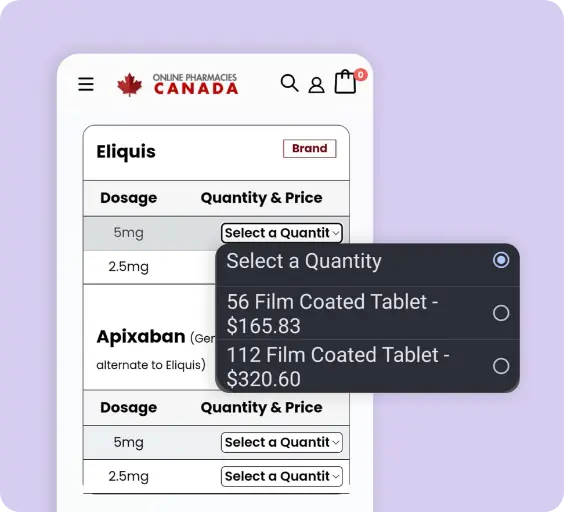
* This price includes a dispensing fee, medical review fee, and packing fee.
Shipped and delivered directly to your doorstep
Zenpep (active ingredient: pancrelipase) is a prescription medication used to treat exocrine pancreatic insufficiency, also known as EPI. EPI develops when the pancreas does not make or release enough digestive enzymes to break down food properly.
The pancreas normally produces enzymes that help digest fats, proteins, and carbohydrates. When these enzymes are missing, food may pass through the digestive system without being fully broken down. This can make it difficult for the body to absorb calories, vitamins, minerals, and other nutrients.
Zenpep replaces the digestive enzymes that the pancreas is unable to provide. This helps improve digestion and nutrient absorption when the medication is taken with meals and snacks.
EPI can cause a wide range of digestive and nutritional problems. Symptoms may include:
Symptoms occur because undigested fats, proteins, and carbohydrates are not absorbed properly. Fat digestion is often affected the most, which can lead to oily stools and poor absorption of fat-soluble vitamins.
Zenpep belongs to a group of medications called pancreatic enzyme replacement therapy products. It contains three main types of digestive enzymes:
Lipase
Lipase helps break down fats into smaller substances that the body can absorb. Lipase is especially important because fat digestion is often severely reduced in people with EPI.
Protease
Protease helps break down proteins into amino acids. Amino acids are needed for muscle development, tissue repair, growth, and many other body functions.
Amylase
Amylase helps break down carbohydrates and starches into simple sugars that the body can use for energy.
These enzymes work in the small intestine, where most digestion and nutrient absorption take place. Zenpep capsules contain delayed-release particles that are designed to protect the enzymes from stomach acid until they reach the intestine.
EPI may develop when a medical condition damages the pancreas, blocks the release of enzymes, or removes part of the organ.
Cystic Fibrosis
Cystic fibrosis is a genetic condition that causes thick, sticky mucus to build up in different parts of the body. In the pancreas, this mucus can block the ducts that carry digestive enzymes into the small intestine.
As a result, people with cystic fibrosis may have difficulty gaining weight, growing normally, and absorbing nutrients from food. Zenpep helps replace the enzymes that cannot reach the intestine.
Chronic Pancreatitis
Chronic pancreatitis causes long-term inflammation and permanent damage to the pancreas. Repeated inflammation can reduce the pancreas’s ability to produce digestive enzymes.
People with chronic pancreatitis may develop abdominal pain, weight loss, diarrhoea, and greasy stools. Zenpep may help improve digestion when enzyme production becomes inadequate.
Pancreatectomy
A pancreatectomy is surgery to remove part or all of the pancreas. The amount of enzyme loss depends on how much pancreatic tissue is removed.
People who undergo this surgery may need pancreatic enzyme replacement with every meal and snack to support normal digestion.
Pancreatic Cancer
Pancreatic cancer may damage the enzyme-producing cells of the pancreas or block the ducts that carry enzymes into the intestine.
This may lead to poor digestion, weight loss, appetite changes, and nutrient deficiencies. Zenpep can help replace missing enzymes and support food absorption.
Shwachman-Diamond Syndrome
Shwachman-Diamond syndrome is a rare inherited condition that can affect the pancreas, bone marrow, and skeletal system. Children with this condition may produce too few digestive enzymes and may have difficulty growing or gaining weight.
Gastrointestinal Surgery
Certain surgeries involving the stomach, pancreas, or small intestine can interfere with the normal mixing of food and digestive enzymes. Pancreatic enzyme replacement may be needed when digestion becomes impaired after surgery.
Zenpep helps the body digest food more effectively. When taken correctly, it may provide several benefits, including:
The response to treatment may vary. A healthcare provider may adjust the dose based on symptoms, meal size, fat content, body weight, and nutritional needs.
Poor digestion can lead to deficiencies in vitamins A, D, E, and K. These vitamins require fat for proper absorption.
Insufficient nutrient absorption may also affect bone health, immune function, vision, blood clotting, energy levels, and growth. By improving fat digestion, Zenpep may help the body absorb these vitamins more effectively.
Some people may still require vitamin or nutritional supplements. A healthcare provider may recommend blood tests or nutritional monitoring during treatment.
Zenpep must be taken with every meal and snack because the enzymes need to mix with food during digestion. Taking the medication too early, too late, or without food may reduce its effectiveness.
The dose may differ depending on the size and fat content of the meal. Larger or higher-fat meals may require more enzymes than a small snack.
Zenpep should be swallowed whole with enough liquid. The capsules and their contents should not be crushed or chewed because this can damage the delayed-release coating and irritate the mouth.
For people who cannot swallow capsules, a healthcare provider may recommend opening the capsule and sprinkling the contents onto a small amount of soft, acidic food. The particles should be swallowed immediately without chewing.
The dose of Zenpep is different for each person. A healthcare provider may consider:
Do not change the dose without speaking with a healthcare provider. Too little medication may not control symptoms, while excessive doses may increase the risk of side effects.
Zenpep manages the digestive effects of EPI but does not cure the condition causing pancreatic enzyme loss. Some people may need treatment for a limited period, while others may require pancreatic enzymes for many years or for the rest of their lives.
Treatment may be combined with dietary changes, nutritional supplements, regular weight checks, blood tests, and follow-up with a healthcare provider or dietitian.
The main goals of Zenpep treatment are to improve digestion, reduce uncomfortable gastrointestinal symptoms, support nutrient absorption, and help maintain a healthy weight.
Effective treatment may also improve energy, growth, physical strength, and overall quality of life. Contact a healthcare provider if symptoms continue, worsen, or return despite taking Zenpep as directed.
The correct dose of Zenpep is different for each person. There is no single dose that is appropriate for everyone with exocrine pancreatic insufficiency.
A healthcare provider will choose the starting dose based on several factors, including:
The purpose of treatment is to provide enough digestive enzymes to help the body break down fats, proteins, and carbohydrates. This can improve nutrient absorption and reduce symptoms such as bloating, gas, diarrhoea, stomach discomfort, and greasy or foul-smelling stools.
Zenpep doses are measured mainly in lipase units. Lipase is the enzyme that helps digest fat.
Fat digestion is often affected the most in people with exocrine pancreatic insufficiency. For this reason, healthcare providers commonly use lipase units when calculating the appropriate dose.
The number of capsules needed depends on the strength of Zenpep prescribed. Different capsule strengths contain different amounts of lipase, protease, and amylase.
Always check the prescription label carefully before taking a dose. Do not assume that capsules of different strengths are interchangeable.
For infants up to 12 months of age, the usual recommended dose is 2,000 to 4,000 lipase units for every 120 mL of formula or breast milk.
Zenpep should be given with each feeding so that the enzymes can mix with the milk during digestion.
A healthcare provider will determine the exact dose based on the infant’s nutritional needs, growth, feeding amount, and response to treatment.
Do not mix the capsule contents directly into a full bottle of formula or breast milk unless a healthcare provider specifically instructs you to do so. This can make it difficult to ensure that the infant receives the complete dose.
The enzyme particles should not be crushed, chewed, or allowed to remain in the mouth because they may irritate the gums, tongue, or inside of the cheeks.
For children older than 12 months, the usual starting dose is 500 lipase units per kilogram of body weight with each meal.
The snack dose is usually lower than the meal dose. A healthcare provider may recommend approximately half of the usual meal dose with snacks, depending on the size and fat content of the snack.
Children require regular monitoring because their body weight and nutritional needs change as they grow. The dose may need to be adjusted over time.
A healthcare provider may monitor:
Do not change a child’s dose without medical guidance.
For adults, the usual starting dose is 500 lipase units per kilogram of body weight with each meal.
The dose may be adjusted based on the size and fat content of the meal, the severity of enzyme insufficiency, digestive symptoms, and nutritional response.
Larger or higher-fat meals may require more enzymes than smaller meals. Snacks usually require a lower dose than full meals.
The prescribed dose should be taken with every meal and snack. Skipping doses may lead to poor digestion, loose or greasy stools, bloating, discomfort, and reduced nutrient absorption.
A healthcare provider may gradually increase the dose if symptoms continue or if the starting dose does not provide enough digestive support.
The dose may be increased up to 2,500 lipase units per kilogram of body weight with each meal when medically necessary.
Dose changes may be considered if you continue to experience:
Do not increase the number of capsules on your own. Persistent symptoms may have causes other than an inadequate enzyme dose and should be assessed by a healthcare provider.
The total daily dose should generally not exceed 10,000 lipase units per kilogram of body weight per day.
Very high doses of pancreatic enzymes have been associated with a serious bowel condition called fibrosing colonopathy, particularly in children with cystic fibrosis.
Contact a healthcare provider if you develop severe or persistent abdominal pain, bloating, vomiting, constipation, or difficulty passing stool.
Take Zenpep with every meal and snack. The enzymes need to be present in the digestive system at the same time as the food.
Take the prescribed dose at the beginning of the meal or snack, unless your healthcare provider gives you different instructions.
For a long meal, a healthcare provider may recommend dividing the dose. Part of the dose may be taken at the beginning and the remainder during the meal so that enzymes are available throughout digestion.
Do not take Zenpep on an empty stomach because the enzymes need food to work properly.
Swallow each capsule whole with enough water or another liquid.
Do not crush, chew, split, or dissolve the capsules. Zenpep contains delayed-release enzyme particles designed to pass through the stomach and release in the small intestine.
Crushing or chewing the particles can damage the protective coating. This may cause the enzymes to break down too early and may irritate the mouth or throat.
People who cannot swallow the capsules whole may be able to open them and sprinkle the contents onto a small amount of soft, acidic food.
Suitable foods may include applesauce or another food with a pH of 4.5 or lower. Acidic food helps protect the enzyme particles until they reach the small intestine.
Follow these steps:
Do not mix the particles with hot food. Heat may damage the enzymes.
Do not store the food and medication mixture for later use. Prepare it immediately before taking the dose.
If you forget to take Zenpep with a meal or snack, contact a healthcare provider or follow the instructions provided with your prescription.
In general, do not take the missed dose after the meal has already been fully digested, and do not double the next dose.
Take your usual prescribed dose with the next meal or snack.
A healthcare provider may monitor your symptoms, body weight, growth, stool pattern, and nutritional test results to determine whether the dose is working properly.
Signs that the treatment may be working include:
Contact a healthcare provider if symptoms continue, worsen, or return despite taking Zenpep correctly.
Take Zenpep exactly as prescribed. Use the correct capsule strength and the prescribed number of capsules with every meal and snack.
Do not change the dose, switch capsule strengths, or stop treatment without speaking with a healthcare provider.
Proper dosing and consistent use are important for improving digestion, supporting nutrient absorption, maintaining a healthy weight, and preventing nutritional deficiencies.
Zenpep (Pancrelipase) is available in the following forms and strength:
Before starting Zenpep, tell your healthcare provider about your medical conditions, allergies, and all medications or supplements you use. Following the recommended precautions can help reduce the risk of side effects and ensure that Zenpep works properly.
Do not use Zenpep if you are allergic to pancrelipase, pancreatic enzyme products, or any ingredient in the medication.
Zenpep is made from the pancreas glands of pigs. Tell your healthcare provider if you have an allergy or sensitivity to pork products.
Seek immediate medical care if you develop signs of a serious allergic reaction, such as:
Zenpep may increase uric acid levels in the blood or urine. High uric acid levels can increase the risk of gout or kidney stones.
Tell your healthcare provider if you have a history of:
Symptoms of gout may include sudden pain, redness, warmth, or swelling in a joint. Symptoms of kidney stones may include severe pain in the back or side, painful urination, nausea, or blood in the urine.
A healthcare provider may monitor your uric acid levels during treatment. Drinking enough fluids may also help support kidney health unless you have been advised to limit your fluid intake.
Very high doses of pancreatic enzyme products have been linked to a rare but serious bowel condition called fibrosing colonopathy. This condition causes inflammation, thickening, or narrowing of the colon.
The risk has been reported most often in children with cystic fibrosis who take high doses of pancreatic enzymes.
Use the lowest dose that effectively controls your symptoms. Do not increase your Zenpep dose without speaking with a healthcare provider.
Contact a healthcare provider immediately if you develop:
Tell your healthcare provider about all prescription medications, nonprescription products, vitamins, and supplements you use.
Certain medications, including some antacids, may affect how Zenpep works in the digestive system. Your healthcare provider can determine whether your medications should be taken at different times or whether additional monitoring is needed.
Do not start, stop, or change another medication without medical advice.
Take Zenpep exactly as prescribed and with every meal or snack. Swallow the capsules whole or follow the approved instructions for opening them.
Do not crush or chew the capsules or enzyme particles. Damaging the protective coating may reduce the medication’s effectiveness and irritate your mouth.
Contact a healthcare provider if your digestive symptoms continue, become worse, or change unexpectedly during treatment.
Yes. People who cannot swallow the capsules whole may open them and sprinkle the contents onto a small amount of soft, acidic food, such as applesauce. Swallow the mixture immediately without chewing the enzyme particles. Do not store the mixture for later use.
The dose is individualised based on age, body weight, symptoms, the severity of pancreatic insufficiency, and the amount of fat in meals and snacks. A healthcare provider may adjust the dose based on digestive symptoms, stool appearance, weight changes, and nutritional needs. Do not change the dose without medical advice.
Zenpep works when it is taken with food. If you forget a dose, take your usual prescribed dose with your next meal or snack. Do not take an extra dose to make up for the missed one unless a healthcare provider tells you to do so.
No. Zenpep should be taken with a meal or snack because the enzymes need food to work. Taking it without food is unlikely to provide the intended digestive benefit.
The length of treatment depends on the cause of EPI. Some people may need Zenpep temporarily, while others may require it for many years or for the rest of their lives. Continue taking it as prescribed, even if your digestive symptoms improve. Do not stop treatment without speaking with a healthcare provider.
Signs that Zenpep may be working include less bloating and gas, fewer greasy, oily, or foul-smelling stools, more regular bowel movements, less discomfort after eating, improved or stable body weight, and better growth in children. Contact a healthcare provider if symptoms continue, worsen, or return despite taking Zenpep correctly.
Very high doses of pancreatic enzymes have been linked to fibrosing colonopathy, a rare condition that can cause narrowing or scarring of the colon. Contact a healthcare provider immediately if you experience severe or persistent abdominal pain, severe constipation, vomiting, bloating, bloody stools, or difficulty passing stool.
Yes. Zenpep may raise uric acid levels in the blood or urine, particularly when taken in high doses. Tell your healthcare provider if you have gout, kidney disease, kidney stones, or high uric acid levels. Seek medical advice if you develop sudden joint pain or swelling, painful urination, blood in the urine, or severe pain in your side or back.
Zenpep is made from enzymes obtained from pig pancreas. Tell your healthcare provider if you are allergic to pork products or have previously reacted to pancreatic enzyme medications. Seek immediate medical help if you develop hives, facial swelling, wheezing, difficulty breathing, or difficulty swallowing.
Yes. Zenpep may be prescribed for infants and children with EPI. The dose is based on age, body weight, feeding amount, symptoms, and nutritional needs. A parent or caregiver should give the medication exactly as directed and ensure that the enzyme particles are not crushed or chewed.
Tell your healthcare provider if you are pregnant, planning to become pregnant, or breastfeeding. A healthcare provider will consider your nutritional needs and the potential benefits and risks before recommending treatment.
Tell your healthcare provider about all prescription medications, nonprescription products, vitamins, antacids, and supplements you use. Do not start, stop, or change another medication without medical advice.
No. Zenpep does not cure the condition causing EPI. It replaces missing pancreatic enzymes and helps manage problems with digestion and nutrient absorption. Treatment may also include dietary adjustments, nutritional supplements, and regular monitoring by a healthcare provider.
| Generic name: | Pancrelipase |
|---|---|
| Formulation: | Capsule DR |
| Strength(s): | 5000U, 15000U, 25000U, 40000U |
| Quantities Available: | 100 |
Our online Canadian Pharmacy is known for high standards of quality, safety, and efficiency when it comes to medications.
Our pharmacy offers lower prices on prescription drugs compared to traditional pharmacies.
Yes, you can buy Zenpep from Canada via Online Pharmacies Canada. Many individuals choose Canadian pharmacies because they offer potential savings on costs.
Yes, buying Zenpep from a reputable Canadian pharmacy like Online Pharmacies Canada is considered safe. Online Pharmacies Canada is verified by the Canadian International Pharmacy Association (CIPA). CIPA-approved pharmacies are recognized as safe in the US.
We encourage you to read our pharmacy reviews from verified customers before making a purchase decision.
When ordering Zenpep from a Canadian pharmacy, you can typically purchase up to a 90-day supply at one time.
Here’s what you need to know:
For example, if your healthcare provider prescribes Zenpep 25,000 lipase units per meal.
Given the example where you take Zenpep 25,000 lipase units per meal, three times a day:
Therefore, for a 90-day supply, you would order approximately 270 capsules of Zenpep if you are prescribed 25,000 lipase units per meal and you eat three times a day.
It’s crucial to emphasize that the example provided is just that—an example. The actual dosage and quantity of Zenpep (pancrelipase) you should order for a 90-day supply must be determined by your healthcare provider based on your specific medical condition, the severity of your pancreatic enzyme deficiency, your diet, and other relevant factors.
To buy Zenpep from Canada, you must:
The cost of Zenpep at Online Pharmacies Canada is:
Yes, we ship Zenpep to both the United States and Puerto Rico.
Online Pharmacies Canada has provided information from third parties intended to increase awareness and does not contain all the information about Zenpep (Pancrelipase). Talk to your doctor or other qualified medical practitioners for medical attention or advice, or if you have any concerns about Zenpep (Pancrelipase).
REVIEWS