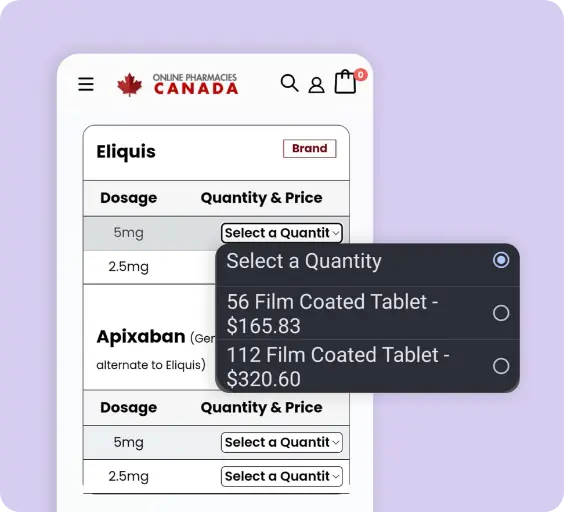
* This price includes a dispensing fee, medical review fee, and packing fee.
Shipped and delivered directly to your doorstep
Lariam is a prescription antimalarial medication that contains mefloquine as its active ingredient.
It is used to help prevent malaria in people traveling to areas where the disease is common and may also be used to treat certain cases of malaria.
Lariam is used for both malaria prevention and malaria treatment.
The exact use depends on factors such as where the infection was acquired, the type of malaria parasite involved, local resistance patterns, and the patient’s medical history.
Malaria Prevention
Lariam may be prescribed to help prevent malaria in adults and children who are traveling to areas where malaria is present.
Malaria is a serious infection caused by parasites that are transmitted through the bites of infected mosquitoes.
When used for prevention, Lariam is typically started before travel and continued during the stay and for a period after leaving the malaria-risk area.
Preventive treatment should also be combined with measures to reduce mosquito bites, such as using insect repellent, wearing protective clothing, and sleeping under mosquito nets when appropriate.
Malaria Treatment
Lariam may also be used to treat certain cases of mild to moderate acute malaria.
It may be effective against malaria caused by Plasmodium falciparum and Plasmodium vivax, depending on the region and whether the parasite is resistant to mefloquine.
Because resistance patterns vary by location, a healthcare provider will determine whether Lariam is an appropriate treatment option.
Lariam belongs to a class of medications known as antimalarials.
It works by interfering with the ability of malaria parasites to survive and multiply inside red blood cells.
By disrupting parasite growth, Lariam helps reduce the number of malaria parasites in the bloodstream.
When taken according to the prescribed schedule, Lariam maintains levels of mefloquine in the body that can help stop malaria parasites from multiplying after they enter the bloodstream.
However, no antimalarial medication provides complete protection. It is still important to take steps to avoid mosquito bites while traveling in malaria-risk areas.
For treatment, Lariam works against malaria parasites already present in the bloodstream.
As the medication reduces parasite activity, symptoms such as fever, chills, sweating, headache, and fatigue may improve.
Malaria can become serious quickly, so suspected infection should be evaluated and treated promptly by a healthcare professional.
No. Lariam is not appropriate for every type of malaria or every travel destination.
In some regions, Plasmodium falciparum parasites have developed resistance to mefloquine. Other antimalarial medications may therefore be preferred.
Your healthcare provider will consider your travel destination, current resistance patterns, medical history, and other medications before recommending Lariam.
No antimalarial medication can guarantee complete protection from malaria.
Even when taking Lariam correctly, it is important to use mosquito-bite prevention measures and seek medical attention if symptoms such as fever, chills, headache, or flu-like illness develop during travel or after returning home.
Malaria symptoms can sometimes appear weeks or months after exposure.
Lariam is an oral antimalarial medication that comes in tablet form.
Take the medication exactly as prescribed by your healthcare provider. It should preferably be taken with food and with at least 8 ounces (240 mL) of water.
The tablets may be swallowed whole. If swallowing is difficult, the tablet may be crushed and mixed with a small amount of water, milk, or another beverage, as directed by your healthcare provider or pharmacist.
When Lariam is used to prevent malaria, it is usually taken once a week.
Take each dose on the same day of the week to help maintain consistent levels of the medication in your body.
Preventive treatment is generally started at least 2 weeks before traveling to an area where malaria is present. It is then continued once weekly throughout the stay and for 4 weeks after leaving the malaria-risk area.
Follow the exact schedule provided by your healthcare provider, as recommendations may vary depending on your destination and individual circumstances.
Starting Lariam before entering a malaria-risk area allows the medication to reach effective levels in the body before potential exposure to infected mosquitoes.
Beginning treatment in advance also gives you and your healthcare provider an opportunity to identify certain side effects before travel.
Do not wait until you arrive at your destination to begin taking Lariam unless your healthcare provider specifically tells you to do so.
When Lariam is used to treat an existing malaria infection, the dosing schedule is different from the schedule used for prevention.
Your healthcare provider will determine the appropriate dose based on factors such as your age, body weight, type and severity of malaria, and where the infection was acquired.
Treatment may involve one larger dose or divided doses. Follow your prescription instructions carefully and do not take additional doses unless your healthcare provider tells you to do so.
Lariam may be prescribed to children when appropriate.
Pediatric dosing is based primarily on body weight. Children generally receive a smaller amount of medication than adults, and the dose may sometimes be divided to improve tolerability.
Because accurate dosing is important, parents and caregivers should carefully follow the instructions provided by the child’s healthcare provider.
If vomiting occurs shortly after taking Lariam, some or all of the medication may not have been absorbed.
If you vomit within 30 minutes of taking a dose, another full dose may be recommended.
If vomiting occurs 30 to 60 minutes after taking the medication, an additional half dose may be recommended.
Follow the instructions provided by your healthcare professional regarding replacement doses.
What If You Vomit Again?
If you vomit again after taking a replacement dose, contact your healthcare provider promptly.
Repeated vomiting may prevent your body from absorbing enough medication and may require a different treatment approach.
This is particularly important when Lariam is being used to treat an active malaria infection.
When using Lariam for malaria prevention, taking the medication consistently is important.
Missing weekly doses can reduce protection against malaria. Consider choosing a specific day of the week and using a reminder to help you stay on schedule.
Do not stop taking Lariam after leaving the malaria-risk area. Continue taking it for the full 4 weeks after leaving unless your healthcare provider advises otherwise.
Read the prescription label and medication information carefully before taking Lariam.
Do not take more or less than prescribed or change your dosing schedule on your own.
If you are unsure about the dose, timing, missed doses, or what to do after vomiting, ask your doctor or pharmacist for guidance before taking additional medication.
Lariam (Mefloquine) is available in the following forms and strength:
Lariam can cause serious neuropsychiatric side effects in some patients.
These may include anxiety, unusual behavior, paranoia, confusion, hallucinations, or changes in mood. People with a history of certain psychiatric conditions may be at greater risk.
Contact your healthcare provider immediately if you develop new or severe changes in thinking, behavior, or perception while taking Lariam.
Lariam should be used with caution in people who have previously experienced depression or other significant psychiatric symptoms.
Tell your healthcare provider about any previous reactions to medications or history of psychiatric illness before starting Lariam.
Extra caution may also be needed in people with a history of drug-induced psychiatric reactions or alcoholism.
Lariam may increase the risk of seizures and is generally not appropriate for people with certain seizure disorders.
Tell your healthcare provider if you have ever had seizures or take medications that affect seizure risk.
Patients with a history of seizures who are prescribed Lariam may require closer medical supervision.
Lariam can affect the electrical activity of the heart and should be used carefully in people with certain heart rhythm or conduction problems.
Tell your healthcare provider if you have a history of slow heartbeat, abnormal heart rhythms, conduction disorders, or other heart conditions.
Your doctor will determine whether Lariam is appropriate based on your medical history and other medications.
Rare cases of liver problems have been reported with Lariam.
Tell your healthcare provider if you have existing liver disease. Seek medical attention if you develop symptoms such as yellowing of the skin or eyes, dark urine, persistent nausea, unusual tiredness, or upper abdominal pain.
Rare changes in blood cells have been reported in patients taking Lariam.
Contact your healthcare provider if you develop unusual bruising or bleeding, persistent fever, frequent infections, or unexplained weakness.
Your doctor may recommend additional evaluation if these symptoms occur.
Mefloquine can rarely cause serious allergic reactions.
Possible symptoms include rash, hives, swelling of the face, lips, tongue, or throat, or difficulty breathing.
Seek immediate medical attention if you develop signs of a severe allergic reaction.
Lariam may cause dizziness, vertigo, balance problems, or other effects that can interfere with coordination and alertness.
Avoid driving, operating heavy machinery, flying an aircraft, scuba diving, or performing other activities where dizziness or loss of balance could be dangerous until you know how the medication affects you.
Some neurological symptoms may persist after the medication is stopped, so contact your healthcare provider if significant dizziness, balance problems, or unusual neurological symptoms occur.
If you are pregnant, planning to become pregnant, or think you may be pregnant, tell your healthcare provider before taking Lariam.
Whether Lariam is appropriate during pregnancy depends on factors such as the risk of malaria, travel destination, available alternatives, and individual medical circumstances.
Your healthcare provider will weigh the benefits of malaria prevention or treatment against any potential risks before recommending the medication.
Take Lariam exactly as prescribed and report any unusual or severe symptoms promptly.
Because the medication can affect the nervous system, heart, liver, and other parts of the body, your healthcare provider may recommend additional monitoring based on your medical history and other medications.
No. Lariam is not suitable for everyone. It should generally be avoided in people with certain medical conditions, including a history of seizures and some serious psychiatric disorders. Extra caution may also be needed in people with certain heart rhythm or conduction problems. Tell your healthcare provider about your complete medical history before starting mefloquine, including any previous depression, anxiety, psychiatric reactions, seizures, or heart conditions.
Lariam is primarily used for the prevention and treatment of malaria. It is not generally approved for treating other diseases. If another use is being considered, it should only be done under the direction of a healthcare professional.
One important difference is its dosing schedule. When used to prevent malaria, Lariam is usually taken once weekly. Some other antimalarial medications need to be taken every day. Lariam also works differently from some other antimalarial drugs. The best option depends on factors such as travel destination, local malaria resistance patterns, medical history, age, pregnancy status, and possible side effects. Your healthcare provider can help determine which antimalarial medication is most appropriate for your trip.
Lariam can be used with some medications, but it may interact with others. Certain drugs can increase the risk of heart rhythm problems, seizures, or other side effects when taken with mefloquine. Before starting Lariam, tell your doctor or pharmacist about all prescription medications, over-the-counter drugs, vitamins, supplements, and herbal products you use. Do not start a new medication while taking Lariam without first checking with a healthcare professional.
| Generic name: | Mefloquine |
|---|---|
| Formulation: | Tablet |
| Strength(s): | 250mg |
| Quantities Available: | 8 |
Our online Canadian Pharmacy is known for high standards of quality, safety, and efficiency when it comes to medications.
Our pharmacy offers lower prices on prescription drugs compared to traditional pharmacies.
When ordering Lariam (mefloquine) from a Canadian pharmacy, you can typically purchase up to a 90-day supply at one time, which is common for prescription medications to ensure adequate management of chronic conditions without frequent refills.
Here’s what you need to know:
Dosage and Quantity: Lariam is commonly prescribed for malaria prevention in a dosage of 250 mg (1 tablet) once weekly. For a 90-day supply, you would typically order 12 tablets (1 tablet per week x 12 weeks).
For treatment of malaria, the usual adult dose is 1250 mg (5 tablets) taken as a single dose, so you would typically order the required amount for the immediate treatment course as prescribed.
Yes, we sell mefloquine on our website. You can enjoy low prices when you order through us. To purchase mefloquine, you will need a valid prescription from your healthcare provider, as we require this to dispense the medication safely and appropriately. You have the option to submit your prescription by mailing it to us, faxing it, or uploading it securely through your online account.
Yes, we ship Lariam (mefloquine) to both the United States and Puerto Rico.
Online Pharmacies Canada has provided information from third parties intended to increase awareness and does not contain all the information about Lariam (Mefloquine). Talk to your doctor or other qualified medical practitioners for medical attention or advice, or if you have any concerns about Lariam (Mefloquine).
REVIEWS