Edecrin (Ethacrynic acid) Shopper Approved

Prescription Prescription Required FormationFormulation: Tablet

Edecrin

(Brand Option)

Select the prescribed dosage

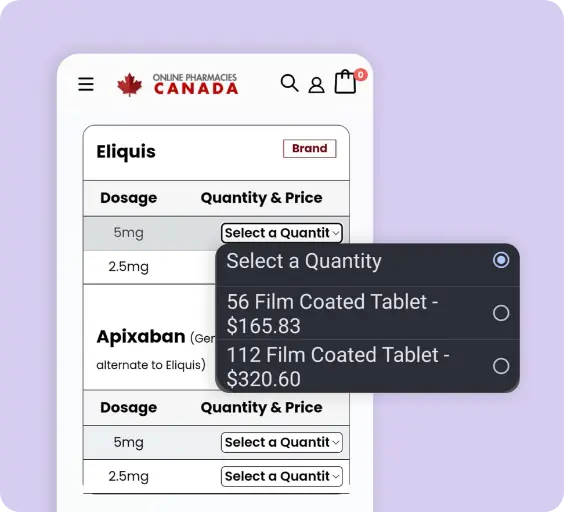
Select the quantity to see the price.

  *  
Prescription Prescription Required FormationFormulation: Tablet

Ethacrynic acid

We don't sell this generic-version medication.

Select the quantity to see the price.

  *  
delivery

* This price includes a dispensing fee, medical review fee, and packing fee.

delivery

Shipped and delivered directly to your doorstep

Edecrin contains ethacrynic acid, a prescription loop diuretic, sometimes called a water pill. It is used to treat edema, which means excess fluid has built up in the body.

Edecrin is generally used when a stronger diuretic effect is needed to remove extra fluid. It may be prescribed for edema related to heart failure, liver cirrhosis, or kidney disease, including nephrotic syndrome.

Edema Caused by Heart Failure

Heart failure can make it harder for the heart to pump blood effectively. This can cause fluid to collect in the legs, ankles, feet, lungs, or other areas of the body.

Edecrin helps the kidneys remove extra sodium and water through urine. Reducing this extra fluid can help decrease swelling and may make breathing easier when fluid buildup is contributing to symptoms.

Edema Caused by Liver Cirrhosis

Liver cirrhosis can cause the body to retain sodium and water. Fluid may collect in the legs or abdomen.

When fluid builds up in the abdomen, it is called ascites. Edecrin may be used to help remove some of this excess fluid and reduce swelling associated with liver disease.

Edema Caused by Kidney Disease

Certain kidney conditions can make it difficult for the body to maintain a normal fluid balance.

Edecrin may be used for edema caused by kidney disease, including nephrotic syndrome, when the body is retaining too much fluid.

Other Short-Term Uses

Edecrin is also indicated for the short-term management of certain other types of fluid buildup, including ascites caused by malignancy, idiopathic edema, and lymphedema.

Intravenous Sodium Edecrin may be used when a rapid diuretic effect is needed, such as in acute pulmonary edema, or when oral medication cannot be used or absorbed properly.

How Does Edecrin Work?

Edecrin belongs to a group of medicines called loop diuretics.

It works in the kidneys by increasing the removal of sodium, chloride, and water from the body. As these substances leave through urine, the amount of extra fluid in the tissues decreases.

This can help reduce swelling and other symptoms caused by fluid retention.

How Quickly Does Edecrin Work?

After an oral dose, Edecrin usually begins increasing urine production within about 30 minutes.

Its diuretic effect generally reaches its strongest point after about 2 hours and may continue for approximately 6 to 8 hours.

Why Might Edecrin Be Chosen?

Edecrin is considered a potent diuretic and may be used when a stronger fluid-removing effect is needed. The dose must be carefully adjusted to the individual because excessive diuresis can cause significant loss of water and electrolytes.

Why Are Blood Tests and Monitoring Important?

Because Edecrin can cause the body to lose large amounts of fluid and electrolytes, your healthcare provider may monitor your weight, kidney function, potassium, sodium, and other electrolyte levels.

Too much fluid loss can lead to dehydration, low blood pressure, weakness, muscle cramps, or abnormal electrolyte levels.

Important Reminder

Edecrin is a strong loop diuretic used to reduce edema and excess fluid buildup. It is commonly used for fluid retention related to heart failure, liver cirrhosis, and kidney disease, including nephrotic syndrome.

Take Edecrin exactly as prescribed by your healthcare provider. Do not increase the dose on your own, because excessive amounts can cause serious dehydration and electrolyte loss.

Edecrin contains ethacrynic acid, a strong loop diuretic used to remove extra fluid from the body. The oral form is taken as a tablet, while Sodium Edecrin is an injectable form that is given into a vein by a healthcare professional when a faster effect is needed or when oral treatment cannot be used.

The dose is individualized based on your condition, the amount of swelling or fluid retention you have, and how your body responds to treatment.

When Should You Take Edecrin?

Edecrin tablets are usually taken once or twice daily after meals.

Because the medication increases urine production, it is often more convenient to take it earlier in the day. If you need a second dose, your healthcare provider may recommend taking it early enough to reduce the chance of waking up during the night to urinate.

Why Is Edecrin Usually Taken After Food?

Taking Edecrin after a meal may help reduce stomach discomfort.

If the medication causes nausea, stomach pain, or digestive upset, tell your healthcare provider. Do not stop treatment on your own unless you are told to do so.

How Is the Dose Chosen?

Your healthcare provider will usually choose the lowest dose that produces the desired fluid loss.

The dose may depend on:

  • How much swelling or fluid buildup you have
  • Your body weight
  • Your kidney function
  • Your blood pressure
  • Your electrolyte levels
  • How strongly you respond to the medication

Your healthcare provider may adjust the dose gradually rather than making large changes at once.

Why Is Weight Monitoring Important?

If you are taking Edecrin for edema, your healthcare provider may ask you to check your body weight regularly.

A decrease in weight can show that excess fluid is leaving the body. However, losing fluid too quickly can cause dehydration or low blood pressure.

Report sudden or excessive weight loss if your healthcare provider has instructed you to monitor your weight.

Increased Urination

You may notice that you urinate more often after taking Edecrin. This is an expected effect of the medication.

Edecrin works by helping the kidneys remove extra sodium, chloride, and water from the body. This reduces swelling and fluid buildup.

Drink Fluids as Directed

Edecrin can cause significant fluid loss, but you should not automatically drink large amounts of extra water.

Some people taking Edecrin have heart, liver, or kidney conditions that may require limits on fluid intake. Follow your healthcare provider’s instructions about how much fluid you should drink each day.

Electrolyte Monitoring

Edecrin can affect important electrolytes in the blood, including potassium, sodium, chloride, and magnesium.

Your healthcare provider may order blood tests during treatment to make sure these levels remain safe.

Signs of an electrolyte problem may include:

  • Muscle cramps
  • Unusual weakness
  • Extreme tiredness
  • Confusion
  • Irregular heartbeat
  • Severe dizziness

Contact your healthcare provider if these symptoms occur.

Blood Pressure Monitoring

Removing extra fluid may cause your blood pressure to decrease.

You may feel dizzy or lightheaded, especially when getting up quickly from a sitting or lying position. Stand up slowly until you know how the medication affects you.

Tell your healthcare provider if you experience repeated dizziness, fainting, or unusually low blood pressure readings.

Kidney Function

Edecrin works through the kidneys, so kidney function may need to be monitored during treatment.

Tell your healthcare provider if you notice a significant decrease in urination, worsening swelling, or unusual weakness.

Hearing Problems

Ethacrynic acid can sometimes affect hearing, especially when higher doses are used, when it is given intravenously, or when it is combined with other medicines that can damage hearing.

Contact your healthcare provider promptly if you develop ringing in the ears, reduced hearing, or sudden hearing changes.

Possible Digestive Side Effects

Edecrin may cause nausea, vomiting, stomach discomfort, or diarrhea in some people.

Persistent or severe diarrhea should be reported because it may increase fluid and electrolyte loss.

What If You Miss a Dose?

If you forget a dose, take it when you remember unless it is almost time for your next scheduled dose.

If your next dose is due soon, skip the missed dose and return to your normal schedule. Do not take two doses together to make up for the missed dose.

Do Not Change the Dose on Your Own

Do not take extra Edecrin because your swelling seems worse.

Taking too much can lead to severe dehydration, low blood pressure, kidney problems, and serious electrolyte abnormalities.

Contact your healthcare provider if your swelling increases or the medication seems less effective.

Tell Your Healthcare Provider About Other Medicines

Before taking Edecrin, tell your healthcare provider about all prescription medicines, over-the-counter products, vitamins, and supplements you use.

This is especially important with medicines that can affect kidney function, blood pressure, electrolytes, or hearing.

Important Reminder

Edecrin is a potent loop diuretic, so careful dosing and monitoring are important. Take it exactly as prescribed, usually once or twice daily after meals, and try to take it earlier in the day to reduce nighttime urination.

Your healthcare provider may monitor your weight, blood pressure, kidney function, and electrolyte levels throughout treatment to make sure the medication is removing excess fluid safely.

Common Side Effects of Edecrin (Ethacrynic Acid):

  • Blurred vision
  • Chills
  • Diarrhea
  • Feeling tired
  • Fever
  • Headache
  • Loss of appetite
  • Nausea
  • Stomach discomfort
  • Trouble swallowing
  • Vomiting

Serious Side Effects of Edecrin (Ethacrynic Acid):

  • Chest pain
  • Confusion
  • Constipation
  • Coughing up blood
  • Difficulty breathing
  • Feeling of fullness in your ear
  • Feeling unsteady
  • Fluttering in your chest
  • Headache
  • Hearing problems
  • Hives
  • Increased thirst or urination
  • Irregular heartbeats
  • Leg cramps
  • Lightheadedness
  • Limp feeling
  • Loss of coordination
  • Muscle cramps
  • Muscle weakness
  • Numbness
  • Problems with speech
  • Severe or watery diarrhea
  • Severe weakness
  • Slurred speech
  • Swelling of your face, lips, tongue, or throat
  • Tingling
  • Weight loss

Edecrin (Ethacrynic Acid) is available in the following forms and strength:

Edecrin: Tablet

  • 25 mg

Dehydration and Electrolyte Imbalance

Edecrin is a strong diuretic, so it can cause your body to lose too much water and important electrolytes, including sodium and potassium.

Signs of dehydration or electrolyte problems may include excessive thirst, dry mouth, weakness, muscle cramps, dizziness, confusion, or decreased urination.

Follow your healthcare provider’s instructions about how much fluid you should drink. Do not automatically increase your fluid intake if you have been told to limit fluids because of heart, liver, or kidney problems.

Kidney, Liver, Diabetes, and Gout

Tell your healthcare provider if you have a history of kidney disease, liver disease, diabetes, or gout before starting Edecrin.

Edecrin can affect fluid balance, kidney function, blood sugar, and uric acid levels, so additional monitoring may be needed depending on your medical history.

Medication Interactions

Before taking Edecrin, tell your healthcare provider about all prescription medicines, over-the-counter products, vitamins, and supplements you use.

Edecrin can interact with certain medications, including NSAID pain relievers, lithium, other diuretics, and medicines that may affect kidney function or hearing. Your healthcare provider can check whether any changes or additional monitoring are needed.

Pregnancy

Edecrin should be used during pregnancy only if clearly needed. There are not enough well-controlled studies in pregnant women to fully determine its safety.

If you are pregnant, planning to become pregnant, or think you may be pregnant, tell your healthcare provider before taking Edecrin.

Breastfeeding

It is not known whether ethacrynic acid passes into human breast milk. Because serious side effects in a nursing infant are possible, your healthcare provider may need to consider whether breastfeeding or Edecrin treatment should be discontinued.

Use in Older Adults

Edecrin is not necessarily less effective in older adults. Clinical information has not shown an overall difference in effectiveness compared with younger adults.

However, older adults may be more sensitive to its effects and are more likely to have reduced kidney function. For this reason, the dose should be chosen carefully, and kidney function may need closer monitoring.

Take Edecrin Exactly as Prescribed

Do not increase or decrease your dose without speaking with your healthcare provider. Taking too much Edecrin can cause excessive fluid loss, low blood pressure, kidney problems, or serious electrolyte abnormalities.

Contact your healthcare provider if you develop severe dizziness, fainting, unusual weakness, muscle cramps, a major decrease in urination, or other persistent or concerning side effects.

Can Edecrin Be Taken During Pregnancy or Breastfeeding?

If you are pregnant, planning to become pregnant, or breastfeeding, talk to your healthcare provider before taking Edecrin. During pregnancy, Edecrin should generally be used only if clearly needed. It is not known whether ethacrynic acid passes into human breast milk, so your healthcare provider will consider the benefits and possible risks when deciding whether treatment is appropriate while breastfeeding.

How Quickly Does Edecrin Work?

Edecrin works relatively quickly. After an oral dose, increased urination usually begins within about 30 minutes. The diuretic effect is strongest at about 2 hours and generally lasts for approximately 6 to 8 hours.

Can Edecrin Cause Dehydration?

Yes. Because Edecrin is a strong diuretic, it can cause the body to lose too much water and electrolytes, including potassium and sodium. Signs of excessive fluid or electrolyte loss may include thirst, dry mouth, weakness, muscle cramps, dizziness, confusion, or reduced urination. Follow your healthcare provider’s instructions about how much fluid you should drink, especially if you have been told to limit fluids because of a heart, liver, or kidney condition.

Can Edecrin Interact With Other Medications?

Yes. Edecrin can interact with several medicines. For example, lithium used with a diuretic can increase the risk of lithium toxicity. Certain antibiotics, including aminoglycosides and some cephalosporins, may increase the risk of hearing-related side effects. NSAIDs may also reduce the diuretic effect of Edecrin in some people. Tell your healthcare provider about all prescription medicines, over-the-counter products, vitamins, and supplements you take.

How Often Do I Need Blood Tests While Taking Edecrin?

Your healthcare provider may order regular blood tests to monitor potassium, sodium, kidney function, and other important measurements while you are taking Edecrin. There is no single testing schedule that is right for everyone. How often you need testing depends on your dose, medical conditions, kidney function, other medications, and how well you respond to treatment.

Can Edecrin Be Taken With Food?

Edecrin tablets are commonly taken after meals, according to the prescribing information. Taking the medicine after food may also make it easier on your stomach. Follow the schedule given by your healthcare provider and try to take each dose at about the same time every day. Because Edecrin increases urination, taking it earlier in the day may help reduce nighttime trips to the bathroom.

REVIEWS

Additional Information Book
Generic name:

Ethacrynic acid

Formulation:

Tablet

Strength(s):

25mg

Quantities Available:

100

Why customers love Online Pharmacies Canada

Our online Canadian Pharmacy is known for high standards of quality, safety, and efficiency when it comes to medications.

Our pharmacy offers lower prices on prescription drugs compared to traditional pharmacies.

How to Order

How much Edecrin can I order at once from a Canadian pharmacy?

When ordering Edecrin (ethacrynic acid) from a Canadian pharmacy, you can typically purchase up to a 90-day supply at one time, which is common for prescription medications to ensure adequate management of chronic conditions without frequent refills.

Here’s what you need to know:

Dosage and Quantity: Edecrin is commonly prescribed in dosage of 25 mg, taken once to several times daily depending on the severity of the condition. For example, if your prescribed dosage is 50 mg taken twice daily, then for a 90-day supply, you would order 180 tablets (90 days x 2 tablets per day).

Do you sell ethacrynic acid?

No, we don’t sell ethacrynic acid directly. However, you can still enjoy low prices on Edecrin, which contains ethacrynic acid as an active ingredient. To place an order, you will need a valid prescription from your healthcare provider. We require this to ensure the safe and accurate dispensing of medications. You can conveniently submit your prescription by mail, fax, or by uploading it through your online account.

Do you offer shipping of Edecrin (ethacrynic acid) to the United States?

Yes, we ship Edecrin (ethacrynic acid) to both the United States and Puerto Rico.

Discover Our Users' Stories!

Watch how Online Pharmacies Canada is helping customers save money on their medications.

Online Pharmacies Canada Customer Testimonial #4
Online Pharmacies Canada Customer Testimonial #1
Online Pharmacies Canada - Customer Testimonial #2

Online Pharmacies Canada has provided information from third parties intended to increase awareness and does not contain all the information about Edecrin (Ethacrynic acid). Talk to your doctor or other qualified medical practitioners for medical attention or advice, or if you have any concerns about Edecrin (Ethacrynic acid).