Combivir (Lamivudine/zidovudine) Shopper Approved

Prescription Prescription Required FormationFormulation: Tablet

Combivir

(Brand Option)

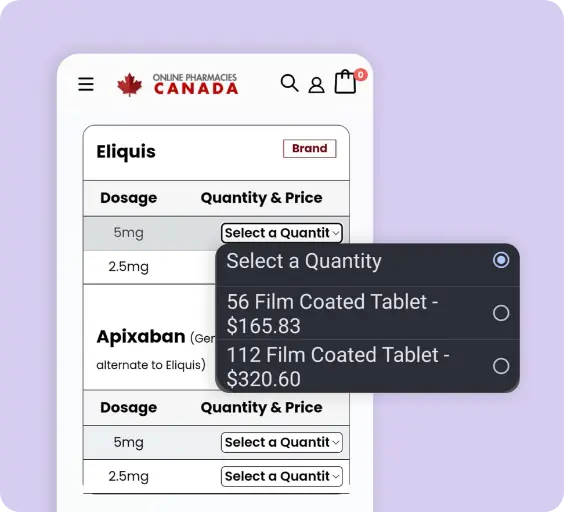
Select the prescribed dosage

Select the quantity to see the price.

  *  
Prescription Prescription Required FormationFormulation: Tablet

Lamivudine/zidovudine

(Generic Alternative)

Select the prescribed dosage

Select the quantity to see the price.

  *  
delivery

* This price includes a dispensing fee, medical review fee, and packing fee.

delivery

Shipped and delivered directly to your doorstep

Combivir (active ingredients: lamivudine and zidovudine) is a prescription antiretroviral medication used to treat HIV-1 infection. It combines two HIV medicines in a single tablet and is used together with other antiretroviral medications as part of a complete HIV treatment plan.

What Is HIV-1?

HIV-1 is the most common type of human immunodeficiency virus. It attacks the immune system, especially CD4 cells, which play an important role in helping the body fight infections.

Without effective treatment, HIV can gradually weaken the immune system and increase the risk of serious infections and other health problems.

Antiretroviral treatment helps keep HIV under control by preventing the virus from making new copies of itself.

What Is Combivir Used For?

Treatment of HIV-1 Infection

Combivir is indicated for the treatment of HIV-1 infection in combination with other antiretroviral medicines.

It may be used in adults and in pediatric patients who weigh at least 30 kg and can appropriately use the fixed-dose tablet.

Helps Lower the Viral Load

The amount of HIV in the blood is called the viral load.

Combivir helps prevent HIV from multiplying, which can lower the viral load. Keeping the viral load low is an important goal of HIV treatment.

Helps Protect the Immune System

When HIV replication is controlled, the immune system has a better chance of maintaining healthy CD4 cell levels.

This helps the body continue to fight infections and other illnesses.

Helps Reduce HIV-Related Complications

Consistent and effective antiretroviral treatment can help prevent the immune system from becoming severely weakened.

Combivir is one part of the treatment regimen used to maintain control of HIV infection.

How Combivir Works

Combivir contains two antiretroviral medicines:

  • Lamivudine
  • Zidovudine

Both medicines belong to a class called nucleoside reverse transcriptase inhibitors (NRTIs).

HIV Uses Reverse Transcriptase to Multiply

After HIV enters certain immune cells, it needs to copy its genetic material so it can make more virus.

To do this, HIV uses an enzyme called reverse transcriptase.

This enzyme helps convert the virus’s genetic information into a form that can become part of the infected cell.

Lamivudine Blocks Viral DNA Production

Lamivudine is converted inside cells into an active form.

This active form competes with the natural building blocks that HIV uses to make viral DNA. When lamivudine becomes incorporated into the developing viral DNA chain, it interferes with further DNA production.

This makes it more difficult for HIV to produce new copies of itself.

Zidovudine Also Blocks Reverse Transcription

Zidovudine works through a similar process.

After it is activated inside cells, zidovudine interferes with viral DNA formation and helps stop HIV from completing the replication process.

Two NRTIs Work Together

Lamivudine and zidovudine attack the same general stage of HIV replication but are separate antiretroviral medicines.

Combining them provides two active NRTIs in one tablet and helps suppress HIV more effectively when used as part of an appropriate combination treatment regimen.

Why Is Combivir Used With Other HIV Medicines?

HIV treatment normally involves a combination of antiretroviral medicines.

Using multiple medications that interfere with HIV in different ways helps achieve stronger viral suppression and reduces the chance that HIV will develop drug resistance.

Combivir provides two medicines, but additional antiretroviral therapy is still used as part of the overall treatment plan.

What Does Viral Suppression Mean?

Viral suppression means that HIV treatment has reduced the amount of virus in the blood to a very low level.

With effective treatment and good medication adherence, the viral load may become so low that routine laboratory tests cannot detect it.

Regular viral load testing helps your healthcare provider determine how well your HIV treatment is working.

Combivir Does Not Cure HIV

Combivir does not eliminate HIV from the body.

Instead, it helps keep the virus under control. HIV treatment generally needs to be taken consistently over the long term.

Stopping treatment or frequently missing doses can allow HIV to begin multiplying again and may increase the risk of drug resistance.

Combivir Is a Fixed-Dose Combination

Each Combivir tablet contains 150 mg of lamivudine and 300 mg of zidovudine.

Because these two ingredients are combined in fixed amounts, Combivir may not be appropriate for people who need the dose of either ingredient adjusted separately.

For example, the fixed-dose tablet may not be appropriate for certain people with kidney or liver impairment or those who develop dose-limiting side effects.

Use in Children

Combivir tablets may be used in pediatric patients who weigh at least 30 kg and are able to use the solid oral dosage form appropriately.

For children weighing less than 30 kg, separate formulations of lamivudine and zidovudine may be needed so the dose can be adjusted according to body weight.

What to Expect During Treatment

You may not physically feel Combivir working.

Your healthcare provider will use blood tests, particularly HIV viral load and CD4 cell measurements, to monitor how well your treatment is controlling HIV.

Other blood tests may also be needed because zidovudine can affect blood cell counts and both medicines have important safety considerations.

Importance of Taking Combivir Consistently

Take Combivir exactly as prescribed.

Taking your HIV medicines every day and following the prescribed schedule helps maintain effective levels of medication in the body.

Missing doses repeatedly can allow HIV to multiply and increase the possibility of developing resistance to one or more antiretroviral medicines.

Important Treatment Reminder

Combivir is an important part of HIV treatment, but it should be used as part of a complete antiretroviral regimen under the supervision of a healthcare provider.

Continue treatment even when you feel well, and do not change the dose, skip medicines, or stop HIV treatment without speaking with your healthcare provider.

Combivir is a prescription HIV medication taken by mouth. It contains two antiretroviral medicines in a single tablet and is used together with other HIV medications as part of a complete treatment regimen.

Take Combivir exactly as prescribed by your healthcare provider. Taking each dose consistently is important for keeping HIV under control.

Recommended Dose for Adults and Adolescents

For adults and adolescents who weigh 30 kg (66 pounds) or more, the recommended dose is:

One Combivir tablet taken twice daily.

Each tablet contains:

  • 150 mg of lamivudine
  • 300 mg of zidovudine

This provides a total daily dose of 300 mg of lamivudine and 600 mg of zidovudine.

Recommended Dose for Children

Combivir may also be used in pediatric patients who weigh at least 30 kg (66 pounds) and can take a solid tablet.

The recommended dose for these patients is also one tablet twice daily.

Because Combivir contains fixed amounts of lamivudine and zidovudine, it is not appropriate when a patient needs the dose of either medicine adjusted separately.

Children Who Weigh Less Than 30 kg

Combivir tablets are not recommended for children weighing less than 30 kg because the fixed-dose tablet does not allow the individual ingredients to be adjusted appropriately.

A healthcare provider may prescribe separate lamivudine and zidovudine products when weight-based dosing is needed.

Take Combivir Twice Daily

Combivir is generally taken two times each day.

Try to take your doses at about the same times every day, such as one dose in the morning and one in the evening.

A regular schedule helps maintain consistent amounts of the medications in your body and reduces the chance of missing doses.

Take With or Without Food

Combivir may be taken with or without food.

If the medication causes stomach discomfort, taking it with food may make it easier to tolerate.

Swallow the Tablet With Water

Swallow Combivir with water or another suitable liquid.

Follow any additional administration instructions provided by your healthcare provider or pharmacist.

Take Combivir With Your Other HIV Medicines

Combivir contains two antiretroviral medicines, but it is intended to be used with other antiretroviral medications rather than as a complete HIV regimen by itself.

Take every medicine in your HIV treatment plan exactly as prescribed.

Do Not Skip Doses

Taking Combivir consistently is very important.

If doses are repeatedly missed, the amount of HIV in the blood may increase. The virus may also become resistant to one or more HIV medicines, which can make treatment less effective.

Do not intentionally skip doses, even if you feel well.

Do Not Change the Dose on Your Own

Do not take more or less Combivir than prescribed.

Because every Combivir tablet contains fixed doses of both lamivudine and zidovudine, your healthcare provider may need to prescribe the ingredients separately if one of them needs to be adjusted.

If You Miss a Dose

If you forget a dose, take it as soon as you remember unless it is almost time for your next scheduled dose.

If your next dose is close, skip the missed dose and continue with your regular schedule.

Do not take two doses at the same time to make up for a missed dose.

Continue Treatment Even If You Feel Well

HIV may continue to reproduce even when you do not have noticeable symptoms.

Combivir helps keep the virus under control, but it does not cure HIV. Continue taking Combivir and the rest of your HIV medicines for as long as your healthcare provider recommends.

Regular Monitoring Is Important

Your healthcare provider will use blood tests to monitor how well your HIV treatment is working.

These tests may include your HIV viral load and CD4 cell count. Because zidovudine can also affect blood cell production, your healthcare provider may monitor your blood counts during treatment.

Important Treatment Reminder

Take one Combivir tablet twice daily if that is the dose prescribed for you. Take it consistently, continue your other HIV medications, and do not change or stop treatment without speaking with your healthcare provider.

Consistent treatment helps maintain viral suppression and reduces the risk of HIV developing drug resistance.

Common Side Effects of Combivir (Lamivudine/Zidovudine):

  • Cold symptoms (stuffy nose, sneezing, sinus pain, cough)
  • Diarrhea
  • General ill feeling
  • Headache
  • Loss of body fat (especially in your arms, legs, face, and buttocks)
  • Nausea
  • Tiredness

Serious Side Effects of Combivir (Lamivudine/Zidovudine):

  • Cold hands and feet
  • Cough
  • Dark urine
  • Difficulty breathing
  • Feeling cold
  • Fever
  • Irregular heart rate
  • Lightheadedness
  • Loss of appetite
  • Menstrual changes, and
  • Problems with balance or eye movement
  • Right-sided upper stomach pain
  • Severe pain in your upper stomach spreading to your back
  • Shortness of breath,
  • Stomach pain
  • Swelling around your midsection
  • Swelling of your face, lips, tongue, or throat
  • Trouble speaking or swallowing
  • Unusual muscle pain
  • Unusual tiredness
  • Weakness
  • Weakness or prickly feeling
  • Weight loss
  • Wheezing
  • Yellowing of the skin or eyes (jaundice)

Combivir (Lamivudine/Zidovudine) is available in the following forms and strength:

Combivir: Tablet

  • 150/300 mg

Lamivudine/Zidovudine: Tablet

  • 150/300 mg

Lactic Acidosis and Liver Problems

Combivir can rarely cause lactic acidosis, a serious buildup of lactic acid in the blood. It may also cause severe liver enlargement with fat buildup, known as hepatomegaly with steatosis. These reactions can be life-threatening.

Seek medical attention if you develop unusual weakness, severe tiredness, trouble breathing, persistent nausea or vomiting, abdominal pain, or yellowing of the skin or eyes.

Blood Cell Problems

Zidovudine, one of the ingredients in Combivir, can reduce the number of certain blood cells.

This may lead to anemia or neutropenia, especially in people with advanced HIV or existing bone marrow problems. Symptoms may include unusual tiredness, pale skin, frequent infections, fever, easy bruising, or unusual bleeding.

Your healthcare provider may order blood tests during treatment to monitor your blood cell counts.

Bone Marrow Suppression

Tell your healthcare provider if you have a history of bone marrow suppression or have previously received medicines that can affect the bone marrow.

These factors may increase the risk of blood-related side effects from zidovudine.

Liver Disease

Tell your healthcare provider if you have liver disease or other liver problems before taking Combivir.

Because Combivir is a fixed-dose combination, it may not be appropriate when the dose of zidovudine needs to be adjusted because of liver impairment. Separate formulations may be needed instead.

Kidney Problems

Tell your healthcare provider if you have kidney disease or reduced kidney function.

Lamivudine may require dose adjustment in people with kidney impairment. Because Combivir contains fixed amounts of lamivudine and zidovudine, separate medicines may be needed if an individualized dose is required.

Medication Interactions

Combivir can interact with other medicines.

Tell your healthcare provider about all prescription medications, over-the-counter products, vitamins, and supplements you take before starting treatment.

Do not take other medicines containing lamivudine or zidovudine unless specifically directed by your healthcare provider.

Regular Monitoring

Regular medical follow-up is important while taking Combivir.

Your healthcare provider may order blood tests to monitor your blood cell counts, liver function, kidney function, HIV viral load, and overall response to treatment.

Pregnancy

Tell your healthcare provider if you are pregnant, planning to become pregnant, or think you may be pregnant.

Your healthcare provider will consider your HIV treatment needs and the available safety information when deciding whether Combivir should be continued or changed during pregnancy. Do not stop HIV treatment on your own, because maintaining effective viral suppression during pregnancy is important.

Use in Young Children

Combivir is a fixed-dose tablet and is not suitable for children who need smaller or individually adjusted doses.

For pediatric patients who cannot use the fixed-dose tablet, separate lamivudine and zidovudine formulations may be needed so the dose can be adjusted appropriately.

Important Treatment Reminder

Take Combivir exactly as prescribed and keep all recommended medical and laboratory appointments.

Contact your healthcare provider promptly if you develop severe fatigue, frequent infections, unusual bleeding or bruising, abdominal pain, breathing problems, or signs of liver problems during treatment.

How long do Combivir side effects last?

The length of time side effects last can vary from person to person. Some mild side effects may improve as your body adjusts to treatment, while others may last longer. Contact your healthcare provider if a side effect is severe, persistent, or getting worse. Combivir can also cause serious reactions that require prompt medical attention, including blood cell problems, liver problems, and lactic acidosis.

How can I reduce side effects from Combivir?

Take Combivir exactly as prescribed by your healthcare provider. Do not change your dose, skip doses, or stop treatment on your own. Tell your healthcare provider about any bothersome or unusual symptoms so they can determine whether your treatment needs to be adjusted.

How much time should there be between Combivir doses?

Combivir is usually taken twice daily. Try to take the doses at about the same times each day, generally about 12 hours apart. For example, you might take one dose in the morning and another in the evening. Follow the specific schedule provided by your healthcare provider.

Can I take other medications while using Combivir?

It depends on the medication. Combivir can interact with certain prescription and over-the-counter medicines. Tell your healthcare provider about all medications, vitamins, and supplements you take before starting Combivir. Do not start or stop another medicine without first checking with your healthcare provider or pharmacist.

Can I take Combivir during pregnancy?

Tell your healthcare provider if you are pregnant, planning to become pregnant, or do become pregnant while taking Combivir. HIV treatment during pregnancy is important, and your healthcare provider will choose an antiretroviral regimen based on your individual circumstances. Do not stop Combivir or your other HIV medicines on your own.

Can I take Combivir while breastfeeding?

Talk to your healthcare provider about feeding options if you are taking Combivir. Recommendations about breastfeeding for people with HIV depend on factors such as viral suppression, treatment adherence, and current clinical guidance. Your healthcare provider can help you choose the safest feeding plan for you and your baby.

REVIEWS

Additional Information Book
Generic name:

Lamivudine/Zidovudine, Lamivudine/zidovudine

Formulation:

Tablet

Strength(s):

150/300mg

Quantities Available:

60, 180

Why customers love Online Pharmacies Canada

Our online Canadian Pharmacy is known for high standards of quality, safety, and efficiency when it comes to medications.

Our pharmacy offers lower prices on prescription drugs compared to traditional pharmacies.

How to Order

How much Combivir can I order at once from a Canadian pharmacy?

When ordering Combivir (lamivudine/zidovudine) from a Canadian pharmacy, you can typically purchase up to a 90-day supply at one time. This approach is standard for prescription medications to ensure effective management of chronic conditions without frequent refills.

Here’s what you need to know:

Dosage and Quantity: Combivir is commonly prescribed as one tablet containing 150 mg of lamivudine and 300 mg of zidovudine, taken twice daily. For a 90-day supply, this means you would order 180 tablets (90 days x 2 tablets per day).

Do you sell lamivudine/zidovudine?

Yes, we sell lamivudine/zidovudine on our website at competitive prices. To purchase this medication, you will need a valid prescription from your healthcare provider. We require a prescription to ensure safe and proper dispensing of the medication. You can conveniently provide your prescription by mailing, faxing, or uploading it through your online account on our website.

Do you offer shipping of Combivir (lamivudine/zidovudine) to the United States?

Yes, we ship Combivir (lamivudine/zidovudine) to both the United States and Puerto Rico.

Discover Our Users' Stories!

Watch how Online Pharmacies Canada is helping customers save money on their medications.

Online Pharmacies Canada Customer Testimonial #4
Online Pharmacies Canada Customer Testimonial #1
Online Pharmacies Canada - Customer Testimonial #2

Online Pharmacies Canada has provided information from third parties intended to increase awareness and does not contain all the information about Combivir (Lamivudine/zidovudine). Talk to your doctor or other qualified medical practitioners for medical attention or advice, or if you have any concerns about Combivir (Lamivudine/zidovudine).