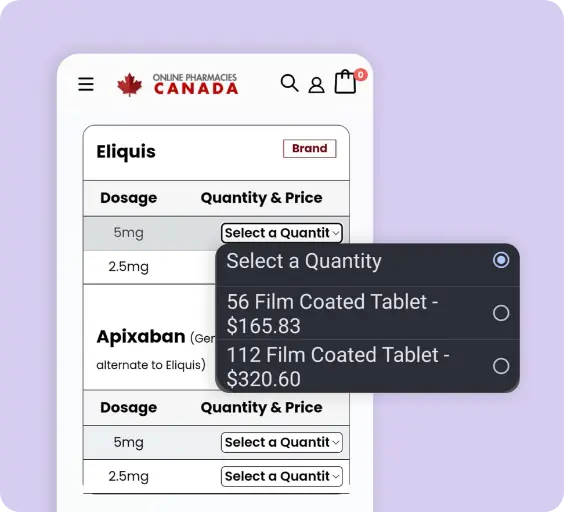
* This price includes a dispensing fee, medical review fee, and packing fee.
Shipped and delivered directly to your doorstep
Retrovir contains the active ingredient zidovudine (AZT). It is a prescription antiretroviral medication used to treat HIV-1 infection and to help reduce the risk of HIV-1 transmission from a pregnant person to their baby.
Retrovir is used in combination with other antiretroviral medications to treat HIV-1 infection in adults and children.
HIV attacks important immune system cells, especially CD4 cells. Without treatment, the virus can weaken the immune system and increase the risk of serious infections and other complications.
Retrovir helps reduce the amount of HIV in the blood, also known as the viral load. When used as part of an effective HIV treatment regimen, it can help protect immune function and slow the progression of HIV-related disease.
Retrovir does not cure HIV. Patients should continue taking all HIV medications exactly as prescribed by their healthcare provider.
Retrovir may also be used as part of a treatment plan to help reduce perinatal transmission of HIV-1, which means transmission of HIV from a pregnant person to their baby.
Treatment may involve zidovudine during pregnancy, during labor and delivery, and treatment of the newborn after birth, depending on the individual treatment plan.
Modern HIV treatment during pregnancy usually involves a complete combination antiretroviral regimen. A healthcare provider will determine the most appropriate medications based on viral load, previous treatment, other medical conditions, and current HIV treatment recommendations.
Retrovir belongs to a class of HIV medications called nucleoside reverse transcriptase inhibitors (NRTIs).
After zidovudine enters cells, the body converts it into an active form. This active form interferes with an HIV enzyme called reverse transcriptase.
HIV needs reverse transcriptase to make DNA from its viral genetic material. By interfering with this process, zidovudine helps prevent HIV from making new copies of itself.
By slowing HIV replication, Retrovir can help lower the amount of virus in the bloodstream.
Reducing the viral load allows the immune system to function more effectively and can help maintain or increase CD4 cell levels.
For this reason, Retrovir is generally used with other antiretroviral medications rather than by itself. Combination HIV therapy helps achieve stronger viral suppression and reduces the risk of drug resistance.
Retrovir may be included as one part of a complete HIV treatment regimen.
The exact combination of medications depends on factors such as:
Regular blood tests may be used to monitor viral load, CD4 cell count, blood cell levels, and possible medication-related side effects.
HIV treatment usually requires continuous antiretroviral therapy.
Taking Retrovir and other prescribed HIV medications consistently helps maintain viral suppression and reduces the risk of treatment resistance.
Do not stop Retrovir or change your HIV treatment regimen without speaking with your healthcare provider.
Retrovir capsules contain zidovudine and are taken by mouth, usually 2 or 3 times daily, as directed by your healthcare provider.
Retrovir may be taken with or without food. Taking each dose at about the same time every day can help maintain consistent medication levels and make it easier to remember your treatment schedule.
Retrovir should always be used as part of a complete antiretroviral treatment regimen unless your healthcare provider gives you different instructions.
For adults, the recommended oral dose of Retrovir is 600 mg per day in divided doses.
This may be given as:
Retrovir is used together with other antiretroviral medications to treat HIV-1 infection.
For children, the dose is based on body weight or body surface area.
For children weighing 4 kg to less than 9 kg, the recommended total daily dose is 24 mg/kg per day, divided into 2 or 3 doses.
For children weighing 9 kg to less than 30 kg, the recommended total daily dose is 18 mg/kg per day, divided into 2 or 3 doses.
Children weighing 30 kg or more may receive the adult total daily dose of 600 mg per day, divided into 2 or 3 doses.
The dose should not exceed the recommended adult dose. If a child cannot reliably swallow capsules, the oral solution may be more appropriate.
Take Retrovir exactly as prescribed and at evenly spaced times whenever possible.
Do not skip doses, change the dose, or stop treatment without speaking with your healthcare provider. Missing doses can allow HIV to multiply and may increase the risk of drug resistance.
Clarithromycin can slightly reduce zidovudine exposure, but current Retrovir prescribing information states that routine zidovudine dose modification is not required when the two medications are used together.
Follow the dosing instructions provided by your healthcare provider if you are prescribed both medications.
Retrovir also has a labeled regimen for helping reduce HIV-1 transmission from a pregnant person to their baby.
The labeled maternal regimen for pregnancies beyond 14 weeks is 100 mg orally 5 times daily until labor begins.
During labor and delivery, zidovudine may be given intravenously in the hospital. The labeled regimen begins with 2 mg/kg infused over 1 hour, followed by 1 mg/kg per hour until the umbilical cord is clamped.
In current HIV care, zidovudine during pregnancy is generally used as part of a broader antiretroviral treatment plan. The healthcare team determines the most appropriate regimen based on viral load, previous treatment, resistance, and other clinical factors.
Under the labeled maternal-fetal transmission regimen, zidovudine treatment for the newborn begins within 12 hours after birth.
The labeled oral dose is 2 mg/kg every 6 hours, continued through 6 weeks of age. Newborns who cannot take the medication by mouth may receive intravenous zidovudine instead.
Some patients may require a different dose or temporary interruption of treatment.
Dose adjustments may be necessary in people with:
Your healthcare provider may perform blood tests to monitor blood cell counts, kidney function, liver function, and your response to HIV treatment.
If you miss a dose of Retrovir, take it as soon as you remember unless it is almost time for your next dose.
If your next dose is due soon, skip the missed dose and continue with your regular schedule.
Do not take two doses at the same time or take extra medication to make up for a missed dose.
Retrovir (Zidovudine) is available in the following forms and strength:
Retrovir can affect the bone marrow and may cause anemia or neutropenia, which means a low number of certain white blood cells.
Your healthcare provider may order regular blood tests to monitor your blood cell counts. Contact your healthcare provider if you develop unusual tiredness, weakness, pale skin, fever, or frequent infections.
Retrovir can rarely cause lactic acidosis, a serious buildup of lactic acid in the blood.
Seek medical attention if you develop symptoms such as:
Lactic acidosis can be serious and requires prompt medical evaluation.
Tell your healthcare provider if you have liver disease or a history of liver problems.
Retrovir is processed mainly by the liver, so liver impairment may increase the amount of medication in the body. Your healthcare provider may need to monitor you more closely or adjust your treatment.
Tell your healthcare provider if you have kidney disease or receive dialysis.
Kidney impairment can affect how Retrovir and its metabolites are removed from the body. A different dose may be needed in people with severe kidney impairment.
Long-term use of Retrovir has been associated with myopathy, which can cause muscle weakness, tenderness, or pain.
Contact your healthcare provider if you develop persistent or unexplained muscle weakness or muscle pain.
Retrovir can affect structures inside cells called mitochondria.
This effect may contribute to problems such as muscle weakness, fatigue, lactic acidosis, or liver abnormalities. Your healthcare provider may perform blood tests or other monitoring if symptoms suggest mitochondrial toxicity.
Some people taking Retrovir may experience nerve-related symptoms such as tingling, numbness, burning, or pain in the hands or feet.
Tell your healthcare provider if you develop new or worsening nerve symptoms.
When effective HIV treatment begins, the immune system may become stronger and start reacting to infections that were already present but previously caused few or no symptoms.
This is called immune reconstitution inflammatory syndrome (IRIS).
Contact your healthcare provider if you develop new fever, swollen lymph nodes, breathing problems, worsening infections, or other unusual symptoms after starting or changing HIV treatment.
Retrovir can interact with other medications.
Some medicines may increase the risk of blood-related side effects or affect how Retrovir is processed in the body. Tell your healthcare provider about all prescription medications, over-the-counter products, vitamins, supplements, and herbal products you use.
Do not start or stop another medication without checking with your healthcare provider.
Retrovir has been used during pregnancy as part of antiretroviral treatment to help reduce the risk of HIV transmission to the baby.
Your healthcare provider will determine whether Retrovir is appropriate based on your HIV treatment plan, viral load, previous medications, and overall health.
Do not stop Retrovir or other HIV medications during pregnancy without speaking with your healthcare provider.
Retrovir can pass into breast milk.
Breastfeeding recommendations for people living with HIV depend on the treatment plan, viral suppression, access to care, and current clinical guidance. Discuss feeding options with your healthcare provider so you can make an informed decision based on your individual situation.
Your healthcare provider may monitor:
Regular monitoring helps your healthcare provider determine whether Retrovir is working safely and effectively.
Yes. Retrovir may be used during pregnancy as part of an antiretroviral treatment plan. Retrovir has been used to help treat HIV during pregnancy and to reduce the risk of HIV transmission from a pregnant person to their baby. A healthcare provider will decide whether Retrovir is appropriate based on the patient’s HIV treatment history, viral load, other medications, and overall health. Do not stop Retrovir or other HIV medications during pregnancy without first speaking with your healthcare provider.
No. Retrovir does not cure HIV or AIDS. Retrovir is an antiretroviral medication that helps slow the reproduction of HIV and reduce the amount of virus in the blood. When used with other HIV medications, it can help protect the immune system, maintain or improve CD4 cell levels, and reduce the risk of HIV-related complications. For the best results, Retrovir should be taken exactly as prescribed as part of a complete HIV treatment regimen.
| Generic name: | Zidovudine |
|---|---|
| Formulation: | Capsule |
| Strength(s): | 100mg, 300mg |
| Quantities Available: | 60, 100, 120 |
Our online Canadian Pharmacy is known for high standards of quality, safety, and efficiency when it comes to medications.
Our pharmacy offers lower prices on prescription drugs compared to traditional pharmacies.
When ordering Retrovir (zidovudine) from a Canadian pharmacy, you can typically purchase up to a 90-day supply at one time, which is common for prescription medications to ensure adequate management of conditions without frequent refills.
Here’s what you need to know:
Dosage and Quantity: Retrovir is available in 100 mg tablets and is commonly prescribed at a total daily dose that can vary, typically ranging from 300 mg to 600 mg daily, divided into two or three doses. For a 90-day supply, if prescribed the maximum dosage of 600 mg daily, you would order approximately 540 tablets (90 days x 6 tablets per day).
Yes, we sell zidovudine on our website. You can enjoy low prices when you order through us. To purchase zidovudine, you will need a valid prescription from your healthcare provider. We require this prescription to dispense the medication safely and appropriately. You have the option to submit your prescription by mailing it to us, faxing it, or uploading it through your online account.
Yes, we ship Retrovir (zidovudine) to both the United States and Puerto Rico.
Online Pharmacies Canada has provided information from third parties intended to increase awareness and does not contain all the information about Retrovir (Zidovudine). Talk to your doctor or other qualified medical practitioners for medical attention or advice, or if you have any concerns about Retrovir (Zidovudine).
REVIEWS