Finacea Gel (Azelaic Acid) Shopper Approved

Prescription Prescription Required FormationFormulation: Gel

Finacea Gel

(Brand Option)

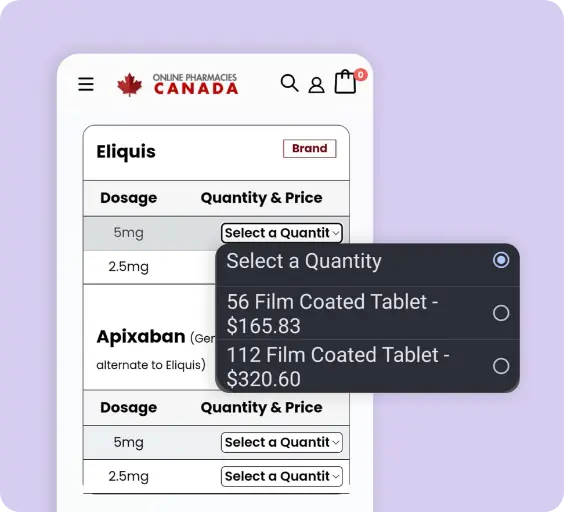
Select the prescribed dosage

Select the quantity to see the price.

  *  
Prescription Prescription Required FormationFormulation: Gel

Azelaic Acid

(Generic Alternative)

Select the prescribed dosage

Select the quantity to see the price.

  *  
delivery

* This price includes a dispensing fee, medical review fee, and packing fee.

delivery

Shipped and delivered directly to your doorstep

Finacea Gel contains azelaic acid, a naturally occurring dicarboxylic acid used as a prescription topical treatment for certain inflammatory skin conditions.

It is commonly used to help manage acne vulgaris and rosacea, especially when these conditions cause red, inflamed bumps or pustules.

Acne Vulgaris

Acne vulgaris develops when pores become blocked by a mixture of oil, dead skin cells, and keratin.

Once a pore becomes clogged, bacteria and inflammation can contribute to the formation of pimples, papules, pustules, blackheads, and whiteheads.

Finacea Gel helps address several of these factors at the same time.

How Finacea Helps Acne

Azelaic acid helps reduce the buildup of keratin and dead skin cells inside the pores.

By helping keep pores clearer, Finacea may reduce the formation of new clogged pores and inflammatory acne lesions.

It also has antibacterial activity against Cutibacterium acnes, the bacterium formerly known as Propionibacterium acnes, which is involved in acne development.

Reducing Acne Inflammation

In addition to keeping pores clearer, azelaic acid has anti-inflammatory effects.

This can help reduce the redness, swelling, and tenderness that often occur with inflamed pimples and pustules.

Rosacea

Finacea Gel is also used to treat mild to moderate inflammatory rosacea, particularly when it causes papules and pustules.

Rosacea is a long-term skin condition that commonly affects the cheeks, nose, chin, and forehead. It may cause redness, flushing, sensitivity, and acne-like bumps.

How Finacea Helps Rosacea

Azelaic acid helps calm inflammation in the skin and can reduce the number of red bumps and pus-filled lesions associated with rosacea.

Its anti-inflammatory action may also make the affected areas feel less irritated or uncomfortable.

What Finacea May Not Improve

Finacea is mainly effective for inflammatory rosacea lesions.

It may not completely remove persistent facial redness, visible blood vessels, or frequent flushing. These symptoms may require additional treatments or skin-care measures.

How Azelaic Acid Works

Azelaic acid belongs to a group of medications called dicarboxylic acids.

It works through several mechanisms, including reducing abnormal keratin buildup, limiting acne-related bacteria, and lowering inflammatory activity in the skin.

Because it works in several ways, it can be useful for both acne and rosacea.

What Symptoms Finacea May Improve

With regular use, Finacea Gel may help reduce:

  • Red and inflamed pimples
  • Papules and pustules
  • Clogged pores
  • Acne-related swelling
  • Rosacea bumps
  • Skin inflammation and irritation

The amount of improvement can vary from person to person.

When to Expect Improvement

Finacea usually works gradually rather than immediately.

Some people may begin to notice improvement after several weeks of regular use, while others may need longer before seeing a clear difference.

Consistent application is important for getting the best results.

What Finacea Does Not Do

Finacea Gel helps control acne and rosacea symptoms, but it does not permanently cure either condition.

Symptoms can return after treatment is stopped, so your healthcare provider may recommend continued use or other skin-care measures depending on how your skin responds.

Finacea Gel is usually applied to the affected skin twice daily, often in the morning and evening, unless your healthcare provider gives you a different schedule.

For the best results, apply it consistently and use only a thin layer over the areas affected by acne or rosacea.

Clean the Skin Before Application

Before using Finacea Gel, gently wash the affected area with a mild soap or soap-free cleanser.

Avoid harsh cleansers, scrubs, or vigorous rubbing, as these can make sensitive or inflamed skin more irritated.

Pat the skin dry with a soft towel before applying the medication.

Apply Only a Thin Layer

Place a small amount of Finacea Gel on the affected area and gently spread it over the skin.

A thin, even layer is enough. Using a large amount will not make the medication work faster and may increase the chance of side effects such as burning, stinging, dryness, or irritation.

Gently Massage the Gel Into the Skin

Rub the gel in gently until it is evenly distributed.

Do not scrub the medication into the skin. Inflamed skin can be sensitive, so gentle application is usually more comfortable.

Wash Your Hands After Application

After applying Finacea Gel, wash your hands thoroughly unless your hands are the area being treated.

This helps prevent the medication from accidentally getting into your eyes, mouth, or nose.

Avoid Sensitive Areas

Finacea Gel is intended for use on the skin only.

Avoid getting it in your eyes, mouth, or inside the nose. These areas are more sensitive and may become irritated if they come into contact with the medication.

If Finacea Gets Into Your Eyes

If the gel accidentally gets into your eyes, rinse them immediately with plenty of water.

If redness, burning, pain, or irritation continues after rinsing, contact your healthcare provider.

Using Makeup After Finacea Gel

You may apply makeup after Finacea Gel has completely dried.

If you have acne or rosacea, try to choose gentle, non-comedogenic, and non-irritating cosmetic products. Harsh or heavily fragranced products may make sensitive skin more uncomfortable.

Use Finacea Regularly

Finacea works best when it is used consistently.

Try to apply it at approximately the same times each day. Regular treatment allows azelaic acid to gradually reduce inflammation and improve the affected skin.

Do Not Apply Extra Medication

Using more Finacea Gel or applying it more often than prescribed will not clear acne or rosacea faster.

Too much medication may instead increase redness, peeling, dryness, burning, or stinging.

Always follow the amount and frequency recommended by your healthcare provider.

When You May Notice Improvement

Improvement with Finacea is usually gradual.

Some people may begin to notice changes after about 4 weeks of regular treatment, but it may take several additional weeks before the full benefit becomes apparent.

Your response will depend on the severity of your condition and how your skin reacts to treatment.

Continue Treatment Even if Results Are Gradual

Do not stop using Finacea just because you do not see immediate improvement.

Acne and rosacea often require consistent treatment over time. Continue using the medication as prescribed unless your healthcare provider tells you to stop.

If Your Skin Becomes Irritated

Some people may experience mild burning, stinging, itching, dryness, or irritation, especially when treatment is first started.

If the irritation becomes severe, painful, or difficult to tolerate, contact your healthcare provider. They may recommend changing how often you apply the medication or adjusting your skin-care routine.

If Your Symptoms Do Not Improve

Tell your healthcare provider if your acne or rosacea does not improve, becomes worse, or develops new symptoms during treatment.

Your healthcare provider can determine whether Finacea should be continued or whether another treatment may be more suitable.

Tell Your Healthcare Provider About Skin Conditions

Before using Finacea Gel, tell your healthcare provider if you have a history of eczema, very sensitive skin, or other skin conditions.

These conditions may affect how well your skin tolerates the medication.

Tell Your Healthcare Provider if You Have Asthma

You should also mention any history of asthma before starting Finacea.

This information helps your healthcare provider understand your overall medical history and decide whether additional monitoring or precautions are appropriate.

Getting the Best Results

For the best results, apply Finacea Gel twice daily to clean, dry skin, use only a thin layer, avoid sensitive areas, and keep your skin-care routine gentle.

Consistent use and patience are important because improvement usually happens gradually rather than immediately.

Common Side Effects of Finacea Gel (Azelaic Acid):

  • Acne
  • Dry skin
  • Erythema or skin redness
  • Feeling of pins and needles on the skin
  • Itching
  • Skin inflammation, irritation, burning, stinging, scaling, or swelling

Serious Side Effects of Finacea Gel (Azelaic Acid):

  • Changes in taste
  • Dizziness
  • Dry mouth
  • Furry tongue
  • Hypopigmentation
  • Loss of appetite
  • Stomach pain
  • Trouble breathing

Finacea Gel (Azelaic Acid) is available in the following forms and strength:

Finacea Gel: Gel

  • 15%

Azelaic Acid: Gel

  • 15%

Tell Your Healthcare Provider About Your Medical History

Before using Finacea Gel, tell your healthcare provider about your complete medical history, especially if you have asthma or other skin conditions.

Certain health problems may affect how your skin responds to treatment or whether additional precautions are needed.

Skin Irritation and Application-Site Reactions

Finacea Gel can cause burning, stinging, itching, dryness, warmth, tingling, tightness, redness, scaling, irritation, or swelling where it is applied.

These effects may be more noticeable during the first few weeks of treatment. Mild irritation may improve as your skin adjusts.

Severe or Persistent Irritation

If irritation becomes severe, painful, or persistent, contact your healthcare provider.

They may recommend reducing how often you use Finacea, temporarily stopping treatment, or making changes to your skin-care routine.

Allergic Reactions

Do not use Finacea Gel if you are allergic to azelaic acid or any other ingredient in the medication.

Stop using it and seek medical advice if you develop signs of a hypersensitivity reaction, such as severe swelling, rash, or worsening skin irritation.

Avoid Known Rosacea Triggers

If you are using Finacea for rosacea, try to avoid foods, drinks, or other triggers that cause flushing or redness.

Common triggers may include spicy foods, alcohol, hot drinks, and other items that make your face feel warm or flushed.

Use Finacea Only as Prescribed

Finacea Gel is a prescription medication and should be used exactly as directed by your healthcare provider.

Do not apply more than recommended or continue using it if you develop severe irritation or signs of an allergic reaction.

Does Finacea Gel make your skin more sensitive to the sun?

Finacea Gel is not generally known to increase sun sensitivity the way some other acne treatments can. However, if you have rosacea, sunlight itself may trigger redness or flushing. Using sunscreen and protective clothing can still be helpful.

Can I wear makeup or use other facial products with Finacea?

Yes. You can usually apply makeup, moisturizer, sunscreen, and other gentle skin-care products while using Finacea. Allow Finacea Gel to dry before applying other products. Avoid harsh, irritating, or heavily fragranced products if they make your skin more sensitive.

How does Finacea Gel work?

Finacea Gel contains azelaic acid, which helps reduce inflammation in the skin. It can decrease redness, swelling, papules, pustules, and other inflammatory lesions associated with acne or rosacea. It also helps normalize the buildup of dead skin cells and has antibacterial effects.

Is Finacea Gel available over the counter?

No. Finacea Gel is a prescription medication. You need a prescription from a healthcare provider to obtain and use it.

REVIEWS

Additional Information Book
Generic name:

Azelaic Acid

Formulation:

Gel

Strength(s):

15%

Quantities Available:

30g, 60g, 90g

Why customers love Online Pharmacies Canada

Our online Canadian Pharmacy is known for high standards of quality, safety, and efficiency when it comes to medications.

Our pharmacy offers lower prices on prescription drugs compared to traditional pharmacies.

How to Order

How much Finacea Gel can I order at once from a Canadian pharmacy?

When ordering Finacea Gel (azelaic acid) from a Canadian pharmacy, you can typically purchase up to a 90-day supply at one time. This ensures you have an adequate amount for continuous treatment without frequent refills.

Here’s what you need to know:

Dosage and Quantity: Finacea Gel is available in a 15% concentration and is commonly prescribed to be applied as a thin layer to the affected skin twice daily. The quantity you will order for a 90-day supply will depend on the size of the affected area and the prescribed regimen.

Do you sell azelaic acid?

Yes, we do sell azelaic acid on our website. You can enjoy low prices, but please note that you will need a valid prescription from your healthcare provider to purchase this medication. We require a prescription to dispense the medication, and you can conveniently mail, fax, or upload your prescription through your online account.

Do you offer shipping of Finacea Gel (azelaic acid) to the United States?

Yes, we ship Finacea Gel (azelaic acid) to both the United States and Puerto Rico.

Discover Our Users' Stories!

Watch how Online Pharmacies Canada is helping customers save money on their medications.

Online Pharmacies Canada Customer Testimonial #4
Online Pharmacies Canada Customer Testimonial #1
Online Pharmacies Canada - Customer Testimonial #2

Online Pharmacies Canada has provided information from third parties intended to increase awareness and does not contain all the information about Finacea Gel (Azelaic Acid). Talk to your doctor or other qualified medical practitioners for medical attention or advice, or if you have any concerns about Finacea Gel (Azelaic Acid).