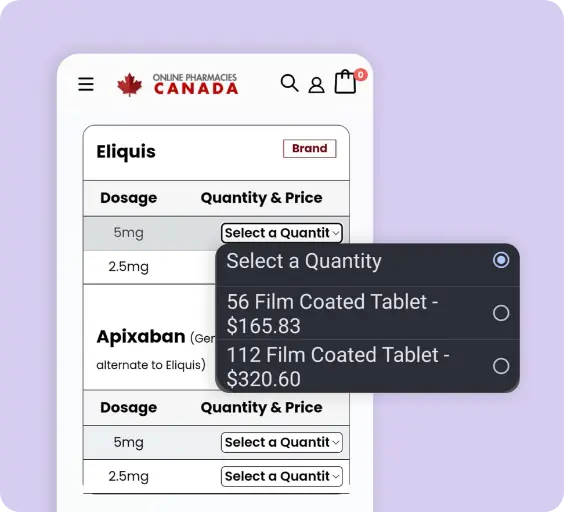
* This price includes a dispensing fee, medical review fee, and packing fee.
Shipped and delivered directly to your doorstep
Atopica contains cyclosporine, an immune-modulating medication used in veterinary medicine. It helps control certain allergic and immune-related conditions by reducing an overactive immune response.
Atopica is available in different formulations for dogs and cats. Dogs commonly receive oral capsules, while cats may receive an oral liquid. A veterinarian will select the correct product, dose, and treatment schedule for the animal.
Atopica is approved to control the signs of atopic dermatitis in dogs. Atopic dermatitis is a long-term allergic skin condition caused by an inappropriate immune response to substances in the environment.
Common allergy triggers may include pollen, mold, dust mites, grass, and other environmental substances. The condition often causes ongoing or recurring skin problems.
Signs of atopic dermatitis in dogs may include:
Atopica reduces the immune activity that contributes to itching and skin inflammation. This may help the skin heal and reduce the animal’s urge to scratch, lick, or chew affected areas.
In Canada, Atopica for dogs is indicated for controlling the clinical signs of atopic dermatitis in dogs that are at least 6 months old and weigh more than 2 kg.
Atopica controls the symptoms of atopic dermatitis, but it does not cure the underlying allergy. Some dogs may require long-term treatment to prevent symptoms from returning.
Atopica for Cats is approved to control feline allergic dermatitis. This condition occurs when an allergic reaction causes inflammation, itching, and damage to the cat’s skin.
Affected cats may repeatedly scratch, lick, bite, or groom themselves. This behavior can worsen inflammation and lead to sores, scabs, or hair loss.
Atopica for Cats may help control skin problems such as:
The approved cat product is intended for cats that are at least 6 months old and weigh at least 3 pounds or 1.4 kg.
The medication helps interrupt the cycle of itching, licking, scratching, and further skin damage. However, it does not remove the underlying allergy trigger.
Veterinarians may sometimes prescribe cyclosporine for other immune-mediated or inflammatory diseases. An immune-mediated disease occurs when the immune system becomes overactive or mistakenly attacks the animal’s healthy tissues.
Possible off-label uses may include:
These conditions are not all approved uses of the Atopica product label. When cyclosporine is used in this way, it is considered off-label veterinary treatment.
Off-label prescribing is based on the veterinarian’s professional judgment. The veterinarian will consider the animal’s diagnosis, overall health, previous treatments, and the potential benefits and risks before prescribing it.
Atopica belongs to a group of medications called immunosuppressants or immune-modulating drugs.
The immune system normally protects the body from infections and harmful substances. In allergic or immune-mediated conditions, however, the immune system may react too strongly or target healthy tissue.
Cyclosporine reduces the activity of certain immune cells, particularly T lymphocytes. These cells help produce chemical signals called inflammatory cytokines, which contribute to allergic reactions, itching, redness, and tissue inflammation.
By limiting these immune signals, Atopica may help:
Atopica does not contain a corticosteroid. It controls inflammation through a different effect on the immune system. Elanco describes the medication as inhibiting the production of inflammatory cytokines involved in allergic dermatitis.
Atopica may not provide immediate relief. It can take several weeks of regular treatment before a clear improvement is seen.
During the early treatment period, the veterinarian may recommend additional care to manage itching, infection, or skin irritation. Once the condition is controlled, the veterinarian may reduce how often Atopica is given and use the least frequent schedule that keeps symptoms under control.
The response varies between animals. Some pets improve significantly, while others may need a different dose, additional medication, or another treatment.
Because Atopica changes immune-system activity, animals taking it may be more vulnerable to certain infections. A veterinarian may recommend examinations or laboratory testing before and during treatment.
Monitoring may include checking:
Pet owners should tell the veterinarian about every prescription medication, over-the-counter product, flea or tick treatment, vitamin, and supplement the animal receives.
Atopica should only be used under veterinary supervision. The dose should not be changed, and treatment should not be stopped, unless directed by the veterinarian.
Give Atopica exactly as directed by your veterinarian. The correct dose depends on the animal’s species, body weight, condition, response to treatment, and ability to tolerate the medication.
Do not change the dose, dosing schedule, or method of administration without speaking with your veterinarian. Atopica affects the immune system, so proper dosing and regular veterinary monitoring are important.
Give Atopica capsules whole. Do not open, crush, split, or chew the capsules.
For the best absorption, give the capsules on an empty stomach. Give each dose at least one hour before feeding or at least two hours after a meal.
Try to give Atopica at approximately the same time each day. If your dog develops vomiting or has difficulty tolerating the medication on an empty stomach, contact your veterinarian before changing how you give it.
Dosage for Dogs With Atopic Dermatitis
The initial target dose is 5 mg per kilogram of body weight once daily. The acceptable dosage range is approximately 3.3 to 6.7 mg per kilogram once daily.
The initial dose is generally given every day for 30 days. After the condition improves, the veterinarian may gradually reduce the dosing frequency to every other day and then twice weekly.
The goal is to use the least frequent dosing schedule that keeps the dog’s symptoms under control. Do not reduce the frequency unless instructed by your veterinarian.
Examples of weight-based capsule combinations include:
These are general label-based examples. Always follow the specific capsule combination prescribed for your dog because the appropriate dose depends on its exact weight.
Atopica for Cats is supplied as an oral liquid rather than a capsule. Measure each dose carefully using the dosing syringe provided with the medication.
The solution may be placed directly into the cat’s mouth. It may also be given on a small amount of food or immediately after feeding, according to the product instructions.
Make sure the cat receives the entire dose. Do not mix the medication into a full bowl of food because the cat may not eat all of it.
Dosage for Cats With Allergic Dermatitis
The initial dose is 7 mg per kilogram of body weight, equal to approximately 3.2 mg per pound, given once daily.
Daily treatment is usually continued for at least four to six weeks or until the skin symptoms are controlled. Once the cat improves, the veterinarian may reduce the dosing frequency to every other day and then twice weekly.
The veterinarian will use the least frequent schedule that continues to control itching and skin inflammation.
Use only the Atopica product prescribed for your pet. Do not exchange dog capsules and cat oral solution unless specifically directed by a veterinarian.
If the animal’s weight changes, the dose may need to be adjusted. Attend recommended veterinary appointments so the animal’s response, weight, and overall health can be monitored.
Contact your veterinarian if your pet repeatedly vomits, refuses food, loses weight, develops diarrhea, or cannot keep the medication down. Do not give an extra dose unless your veterinarian instructs you to do so.
Atopica (Cyclosporine) is available in the following forms and strength:
Atopica may interact with medications that affect the cytochrome P450 enzyme system. This enzyme system helps the liver process cyclosporine and many other medications.
Some medicines can slow the breakdown of cyclosporine and cause its level in the body to become too high. This may increase the risk of side effects. Other medicines may lower cyclosporine levels and make Atopica less effective.
Tell your veterinarian about every medication, supplement, flea or tick treatment, and herbal product your pet receives. Do not start, stop, or change another medication without veterinary approval.
Cyclosporine reduces the activity of the immune system. This helps control allergic and immune-mediated conditions, but it may also make it harder for the animal to fight infections.
Pets taking Atopica may have a greater risk of developing bacterial, viral, fungal, or parasitic infections. Existing infections may also become worse during treatment.
Contact your veterinarian if your pet develops possible signs of infection, such as:
A veterinarian may need to treat the infection, adjust the Atopica dose, or temporarily stop treatment.
Atopica should be used carefully in animals with a history of cancer, tumors, or abnormal tissue growth.
The immune system helps identify and control abnormal cells. Because cyclosporine suppresses immune activity, it may affect the body’s ability to control certain tumors or abnormal cell growth.
Tell your veterinarian if your pet has previously been diagnosed with cancer or has any unexplained lumps, swelling, weight loss, or enlarged lymph nodes. A veterinarian will weigh the possible benefits of treatment against the risks.
Do not give Atopica to an animal that has had an allergic reaction to cyclosporine or any ingredient in the product.
Stop giving the medication and seek urgent veterinary care if your pet develops signs of a serious allergic reaction, including:
Atopica should be used with caution in dogs with reduced kidney function or a history of kidney disease.
Cyclosporine may affect kidney function in some animals, especially when it is used with other medications that can also affect the kidneys. Dehydration may further increase this risk.
Your veterinarian may recommend blood tests and urine tests before or during treatment. These tests can help monitor kidney function and identify problems early.
Contact your veterinarian if your pet develops:
Ketoconazole can greatly increase the amount of cyclosporine in the animal’s bloodstream. This happens because ketoconazole slows the breakdown of cyclosporine in the liver.
Veterinarians may occasionally prescribe these medicines together to reduce the required cyclosporine dose. However, the combination must be carefully planned and closely monitored.
Using too much cyclosporine with ketoconazole may increase the risk of vomiting, diarrhea, loss of appetite, infection, kidney problems, liver problems, or other serious effects.
Never give ketoconazole with Atopica unless your veterinarian specifically prescribes the combination. Follow the exact doses and schedule provided.
Because Atopica suppresses the immune system, it may affect how the animal responds to vaccines. Certain live vaccines may not be appropriate during treatment.
Tell your veterinarian that your pet is taking Atopica before any vaccination is given. Your veterinarian may recommend delaying a vaccine or choosing a different vaccine type.
Regular veterinary checkups may be needed during treatment, especially when Atopica is used long-term or with other medications.
Monitoring may include:
Do not change the dose or stop treatment without speaking with your veterinarian. Sudden changes may allow the allergic or immune-mediated condition to return or worsen.
Atopica capsules for dogs are usually given on an empty stomach. Give the medication at least one hour before a meal or at least two hours after a meal. Atopica for Cats is an oral liquid and may have different feeding instructions. Follow the directions provided by your veterinarian and the product label.
The safety of Atopica has not been fully established in pregnant, breeding, or nursing animals. Tell your veterinarian if your pet is pregnant, may become pregnant, is being used for breeding, or is nursing. The veterinarian will determine whether the possible benefits of treatment outweigh the risks.
No. Atopica may not be suitable for every animal. Extra caution may be needed in pets with kidney disease, active infections, a history of cancer, or an allergy to cyclosporine. The medication may also interact with certain drugs and supplements. Before treatment begins, tell your veterinarian about your pet’s medical history and every medication, supplement, flea treatment, or tick treatment your pet receives.
Yes. Atopica may be used long-term to manage chronic allergic skin conditions when recommended by a veterinarian. Once symptoms are controlled, the veterinarian may reduce how often the medication is given. The goal is to use the lowest effective dose and the least frequent schedule that continues to control symptoms. Pets receiving long-term treatment may need regular examinations, blood tests, or other monitoring to check for side effects, infections, and changes in kidney or liver function.
| Generic name: | Cyclosporine |
|---|---|
| Formulation: | Capsule |
| Strength(s): | 25mg |
| Quantities Available: | 15 |
Our online Canadian Pharmacy is known for high standards of quality, safety, and efficiency when it comes to medications.
Our pharmacy offers lower prices on prescription drugs compared to traditional pharmacies.
When ordering Atopica (cyclosporine) from a Canadian pharmacy, you can typically purchase up to a 90-day supply at one time, which is standard for prescription medications to ensure effective management of chronic conditions without the need for frequent refills.
Here’s what you need to know:
Dosage and Quantity: Atopica is available in 25 mg strength. The dosage prescribed by your veterinarian will depend on your dog’s weight and condition.
For example, if your dog is prescribed 5 mg/kg/day and weighs 20 kg, the daily dose would be 100 mg (20 kg x 5 mg/kg/day). For a 90-day supply, you would order 360 capsules (4 capsules (100 mg)/day x 90 days).
No, we do not sell cyclosporine directly on our website. However, you can still enjoy low prices on Atopica, which contains cyclosporine as an active ingredient. To purchase Atopica from us, you will need a valid prescription from your veterinarian. We require this to ensure safe and legal dispensing of the medication. You can submit your prescription by mailing it to us, faxing it, or uploading it through your online account.
Yes, we ship Atopica (cyclosporine) to both the United States and Puerto Rico.
Online Pharmacies Canada has provided information from third parties intended to increase awareness and does not contain all the information about Atopica (Cyclosporine). Talk to your doctor or other qualified medical practitioners for medical attention or advice, or if you have any concerns about Atopica (Cyclosporine).
REVIEWS