Diamox (Acetazolamide) Shopper Approved

Prescription Prescription Required FormationFormulation: Tablet

Diamox

(Brand Option)

Select the prescribed dosage

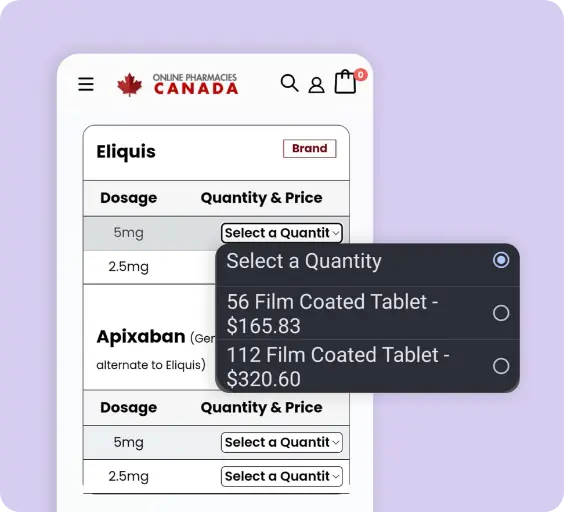
Select the quantity to see the price.

  *  
Prescription Prescription Required FormationFormulation: Tablet

Acetazolamide

(Generic Alternative)

Select the prescribed dosage

Select the quantity to see the price.

  *  
delivery

* This price includes a dispensing fee, medical review fee, and packing fee.

delivery

Shipped and delivered directly to your doorstep

Diamox (active ingredient: acetazolamide) is a prescription medication used to treat several medical conditions, including glaucoma, edema (fluid retention), acute mountain sickness (altitude sickness), and certain types of seizures. It belongs to a class of medications known as carbonic anhydrase inhibitors.

Depending on the condition being treated, Diamox helps reduce fluid buildup, lower pressure inside the eye, improve the body’s response to high altitudes, or support seizure control.

What Is Diamox Used For?

Glaucoma

Diamox is used as an adjunctive (add-on) treatment for several types of glaucoma, including:

  • Open-angle glaucoma
  • Secondary glaucoma
  • Angle-closure glaucoma, when additional treatment is needed

By lowering pressure inside the eye, Diamox helps reduce the risk of damage to the optic nerve and vision loss.

Edema (Fluid Retention)

Diamox is also used to treat edema, which is the buildup of excess fluid in the body.

It may be prescribed for edema associated with:

  • Congestive heart failure
  • Certain medications
  • Other conditions that cause fluid retention due to metabolic imbalances

By helping the body eliminate excess fluid through the urine, Diamox can reduce swelling and improve symptoms.

Acute Mountain Sickness (Altitude Sickness)

Diamox is commonly used to prevent and treat acute mountain sickness in people traveling to high altitudes.

It may help reduce symptoms such as:

  • Headache
  • Nausea
  • Dizziness
  • Fatigue
  • Shortness of breath

Taking Diamox before and during ascent can help your body adjust more quickly to changes in altitude.

Epilepsy

Diamox may also be used as an add-on treatment for certain types of seizures, including:

  • Absence (petit mal) seizures
  • Mixed seizure disorders

It is typically used in combination with other anti-seizure medications rather than as the sole treatment.

How Does Diamox Work?

Diamox belongs to a class of medications called carbonic anhydrase inhibitors.

It works by blocking the action of an enzyme called carbonic anhydrase, which affects the movement of fluids and electrolytes in different parts of the body.

Depending on the condition being treated, Diamox helps:

  • Lower pressure inside the eye by reducing the production of fluid (aqueous humor), helping manage glaucoma.
  • Increase urine production, allowing the body to eliminate excess fluid and reduce swelling.
  • Improve the body’s adaptation to high altitude by increasing ventilation and helping maintain the body’s acid-base balance, which can reduce symptoms of altitude sickness.
  • Support seizure control by altering the balance of certain chemicals in the brain.

Benefits of Diamox

When used as prescribed, Diamox may help:

  • Lower pressure inside the eye in people with glaucoma
  • Reduce swelling caused by fluid retention
  • Prevent or relieve symptoms of altitude sickness
  • Help control certain types of seizures when used with other medications
  • Improve comfort and quality of life for people with these conditions

Important Reminder

Take Diamox exactly as prescribed by your healthcare provider. Because the dosage varies depending on the condition being treated, your healthcare provider will determine the treatment plan that is most appropriate for your individual needs.

Diamox is available as an oral tablet and should be taken exactly as prescribed by your healthcare provider. It can be taken with or without food. However, if the medication causes stomach upset, taking it with food may help reduce discomfort.

For the best results, take Diamox at the same time each day and continue taking it for as long as your healthcare provider recommends. Do not stop taking the medication without consulting your healthcare provider.

If Diamox has been prescribed for a child, follow your healthcare provider’s instructions carefully, as the dosage may differ from that used in adults.

Recommended Dosage

The dosage of Diamox depends on:

  • The condition being treated
  • Your response to treatment
  • Your symptoms
  • Your overall health

Glaucoma

For the treatment of glaucoma, the usual starting dose is:

  • 500 mg initially, followed by
  • 250 mg or 125 mg every 4 hours, depending on your individual needs.

Your healthcare provider may adjust your dosage based on your symptoms and the pressure inside your eye (intraocular pressure).

Acute Mountain Sickness

For the prevention or treatment of acute mountain sickness, the usual dosage is:

  • 500 mg to 1,000 mg per day, divided into multiple doses.

For situations involving rapid ascent, such as rescue or military operations, the higher daily dose of 1,000 mg may be recommended.

To help prevent altitude sickness, begin taking Diamox 24 to 48 hours before ascending to a high altitude. Continue taking the medication for at least 48 hours after reaching high altitude, or longer if needed to control symptoms.

Important Dosing Tips

  • Take Diamox exactly as prescribed by your healthcare provider.
  • Take the medication at the same time each day.
  • It may be taken with or without food, but taking it with food may help if it causes stomach upset.
  • Do not increase, decrease, or stop your dose without consulting your healthcare provider.
  • If you are using Diamox to prevent altitude sickness, begin treatment 24 to 48 hours before ascent and continue as directed while at high altitude.

Because the appropriate dose of Diamox varies depending on the condition being treated and your individual response, your healthcare provider will adjust your dosage to achieve the best balance between effectiveness and safety.

Common Side Effects of Diamox (Acetazolamide):

  • Altered sense of taste
  • Confusion
  • Diarrhea
  • Drowsiness
  • Hearing problems and ringing in your ears
  • Increased urination
  • Loss of appetite
  • Nausea
  • Numbness or tingling, especially in your arms and legs
  • Vomiting

Serious Side Effects of Diamox (Acetazolamide):

  • A blood cell disorder
  • A seizure (convulsions)
  • Blood in urine or stools
  • Liver problems:
    • Upper stomach pain or swelling
    • Tired feeling, dark urine, clay-colored stools
    • Jaundice (yellowing of the skin or eyes)
  • Loss of movement in any part of your body
  • Severe skin reaction
    • Burning in your eyes
    • Causes blistering
    • Fever
    • Peeling
    • Skin pain followed by a red or purple skin rash that spreads
    • Sore throat
    • Swelling in your face or tongue
  • Signs of a kidney stone
    • Blood in your urine
    • Pain in your side or lower back
    • Painful or difficult urination

Diamox (Acetazolamide) is available in the following forms and strength:

Diamox: Tablet

  • 250mg

Acetazolamide: Tablet

  • 250mg

Before taking Diamox, tell your healthcare provider about your complete medical history, allergies, and all medications you are taking. This information helps your healthcare provider determine whether Diamox is a safe and appropriate treatment for you.

Allergies

Before starting Diamox, tell your healthcare provider if you are allergic to:

  • Acetazolamide
  • Sulfonamide (“sulfa”) medications
  • Diuretics (“water pills”)

Any other medications or ingredients in the product

If you develop signs of an allergic reaction, such as a rash, hives, swelling of the face, lips, tongue, or throat, or difficulty breathing, stop taking the medication and seek immediate medical attention.

Drug Interactions

Diamox may interact with a number of medications, which can increase the risk of side effects or affect how well your medications work.

Tell your healthcare provider if you take:

  • Amphetamines
  • Aspirin
  • Cyclosporine
  • Medications for depression
  • Medications used to treat irregular heart rhythms
  • Diflunisal
  • Digoxin
  • Diuretics (“water pills”)
  • Lithium
  • Phenobarbital
  • Primidone
  • Vitamins and dietary supplements

Always provide your healthcare provider with a complete list of your prescription medications, over-the-counter products, vitamins, herbal supplements, and natural health products before starting Diamox.

Medical Conditions

Before taking Diamox, tell your healthcare provider if you have or have ever had:

These conditions may affect how your body responds to the medication and may require closer monitoring or dosage adjustments.

Pregnancy and Breastfeeding

If you are pregnant, planning to become pregnant, or breastfeeding, tell your healthcare provider before taking Diamox.

If you become pregnant while taking acetazolamide, contact your healthcare provider promptly to discuss the potential benefits and risks of continuing treatment.

Surgery

If you are scheduled for surgery or dental surgery, tell your doctor or dentist that you are taking Diamox. This information can help them plan your care and avoid potential medication-related complications.

Drowsiness and Alcohol

Diamox may cause drowsiness, dizziness, or reduced alertness.

Until you know how the medication affects you:

  • Do not drive.
  • Do not operate machinery.
  • Avoid other activities that require alertness.

Alcohol may increase these effects, so it is best to limit or avoid alcoholic beverages while taking Diamox.

Sun Sensitivity

Diamox may make your skin more sensitive to sunlight, increasing your risk of sunburn.

To help protect your skin:

  • Avoid unnecessary or prolonged sun exposure.
  • Wear protective clothing.
  • Use sunscreen.
  • Wear sunglasses when outdoors.

When to Contact Your Healthcare Provider

Contact your healthcare provider if you experience:

  • Signs of an allergic reaction
  • Severe drowsiness or dizziness
  • Vision changes
  • Persistent nausea or vomiting
  • Symptoms that worsen or do not improve

Regular follow-up appointments allow your healthcare provider to monitor your response to treatment and make any necessary adjustments to help ensure Diamox is both safe and effective.

Is Diamox Safe to Use Long-Term?

For many people, Diamox can be used safely for long-term treatment when taken exactly as prescribed and monitored by a healthcare provider. If you need to use Diamox for an extended period, your healthcare provider may recommend regular checkups and laboratory tests to monitor your response to treatment and check for potential side effects.

Is Diamox Safe During Pregnancy?

Diamox is generally not recommended during pregnancy unless your healthcare provider determines that the potential benefits outweigh the possible risks to the developing baby. If you are pregnant, planning to become pregnant, or think you may be pregnant, talk to your healthcare provider before taking Diamox. Do not start or stop the medication without medical advice.

Can Diamox Be Used to Treat High Blood Pressure?

Diamox is not typically prescribed to treat high blood pressure. Although it may occasionally be used alongside other medications in certain situations, it is not considered a standard treatment for hypertension. If you have high blood pressure, your healthcare provider will recommend the medication or treatment plan that is most appropriate for your condition.

What Should I Do if I Overdose on Diamox?

If you think you or someone else has taken too much Diamox, seek medical attention immediately. Contact your healthcare provider or call your local Poison Control Center right away for guidance. If the person develops severe symptoms, such as difficulty breathing, loss of consciousness, or seizures, call emergency services or go to the nearest emergency department immediately. Prompt medical evaluation and treatment are important whenever an overdose is suspected.

REVIEWS

Additional Information Book
Generic name:

Acetazolamide

Formulation:

Tablet

Strength(s):

250mg

Quantities Available:

90, 100, 180

Why customers love Online Pharmacies Canada

Our online Canadian Pharmacy is known for high standards of quality, safety, and efficiency when it comes to medications.

Our pharmacy offers lower prices on prescription drugs compared to traditional pharmacies.

How to Order

How much Diamox can I order at once from a Canadian pharmacy?

When ordering Diamox (acetazolamide) from a Canadian pharmacy, you can typically purchase up to a 90-day supply at one time, which is common for prescription medications to ensure adequate management of chronic conditions without frequent refills.

Here’s what you need to know:

Dosage and Quantity: Diamox is commonly prescribed in dosages of 250 mg or 500 mg, taken one to four times daily, depending on the condition being treated. For a 90-day supply, the total quantity of tablets you would order depends on your prescribed daily dosage. For example:

  • If prescribed 250 mg once daily, you would order 90 tablets (90 days x 1 tablet per day).
  • If prescribed 250 mg four times daily, you would order 360 tablets (90 days x 4 tablets per day).

Do you sell acetazolamide?

Yes, we do sell acetazolamide on our website, and you can enjoy low prices. However, you will need a valid prescription from your healthcare provider to purchase acetazolamide from us. We require this prescription to dispense the medication safely and responsibly. You can conveniently provide your prescription by mailing, faxing, or uploading it through your online account during the ordering process.

Do you offer shipping of Diamox (acetazolamide) to the United States?

Yes, we ship Diamox (acetazolamide) to both the United States and Puerto Rico.

Discover Our Users' Stories!

Watch how Online Pharmacies Canada is helping customers save money on their medications.

Online Pharmacies Canada Customer Testimonial #4
Online Pharmacies Canada Customer Testimonial #1
Online Pharmacies Canada - Customer Testimonial #2

Online Pharmacies Canada has provided information from third parties intended to increase awareness and does not contain all the information about Diamox (Acetazolamide). Talk to your doctor or other qualified medical practitioners for medical attention or advice, or if you have any concerns about Diamox (Acetazolamide).